
 EN
EN
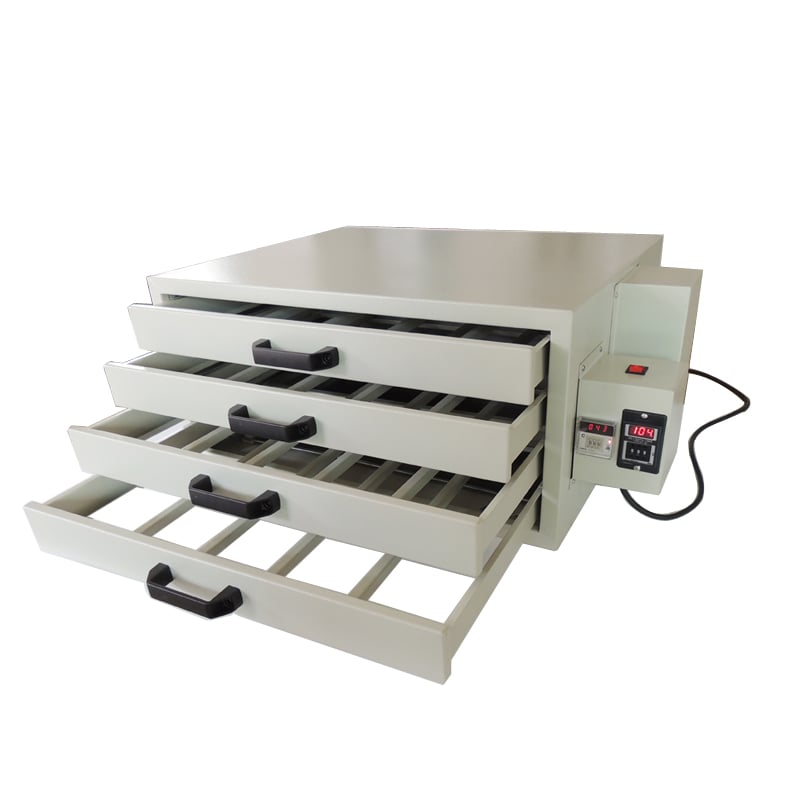
Правилното поддържане на промишлено сушилно оборудване е от решаващо значение за осигуряване на оптимална производителност, удължаване на живота на оборудването и гарантиране на последователно високо качество на производството. Добре поддържана сушилна пещ работи ефективно, изразходва по-малко енергия и намалява риска от непредвидени повреди, които могат да нарушат производствените процеси. Познаването на основите на грижата за оборудването помага на компаниите да максимизират инвестициите си, като поддържат високи оперативни стандарти.
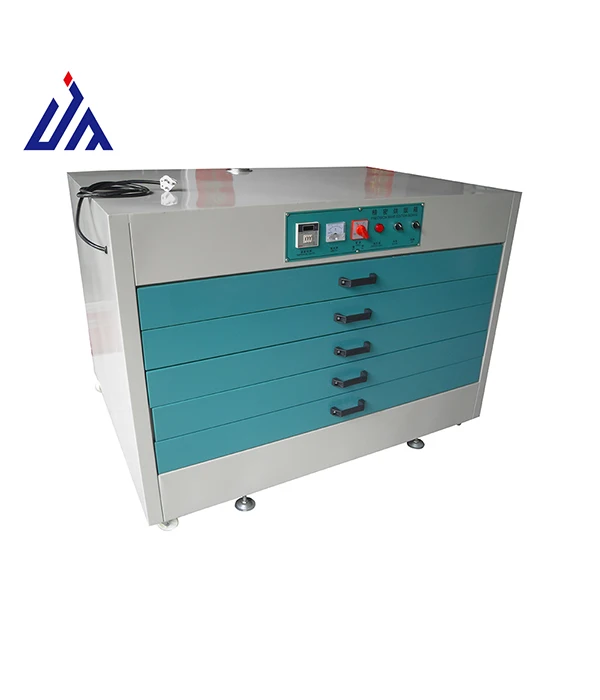
Индустриалните сушилни системи изискват систематично внимание към различни компоненти, включително нагревателни елементи, вентилационни системи, контрол на температурата и защитни механизми. Редовните програми за поддръжка помагат да се предотвратят скъпи ремонти и да се осигури спазване на безопасносните правила. Производствените обекти, които прилагат задълбочени програми за поддръжка, обикновено имат по-малко производствени закъснения и постигат по-добра последователност в качеството на продуктите.
Сложността на съвременното сушилно оборудване изисква структуриран подход към поддръжката, който включва както превантивни, така и корективни мерки. Операторите трябва да разбират специфичните изисквания на своя тип оборудване, независимо дали работят с конвекционни системи, инфрачервено отопление или многопластови конфигурации. Ефективните стратегии за поддръжка включват ежедневни проверки, планирано обслужване и мониторинг на производителността, за да се идентифицират потенциални проблеми, преди те да се влошат.
Ежедневни процедури за проверка
Системи за мониторинг на температурата
Точното регулиране на температурата е основа за ефективните процеси на сушене. Ежедневната проверка на температурните сензори осигурява постоянна производителност на отоплението и качество на продукта. Операторите трябва да проверяват цифровите дисплеи, да сравняват показанията от няколко сензора и да се уверят, че температурите остават в зададените граници по време на работните цикли.
Колебанията в температурата могат да показват възникващи проблеми с нагревателните елементи, системите за управление или шаблоните на въздушния поток. Записването на температурни данни помага за установяване на базови показатели за производителността и идентифициране на тенденции, които могат да сочат нужда от поддръжка. Напредналите системи често включват автоматично записване, но ръчната проверка остава важна за откриване на повреди в сензорите или отклонения при калибрирането.
Калибрирането на оборудването за мониторинг на температурата трябва да следва спецификациите на производителя и отрасловите стандарти. Редовното сравняване със сертифицирани референтни термометри помага за поддържане на точността и осигурява съответствие с изискванията за контрол на качеството. Документирането на дейности по проверка на температурата подпомага ревизирането и установяването на причини при възникване на проблеми с производителността.
Проверки на въздушния поток и вентилацията
Правилната циркулация на въздуха осигурява равномерно разпределение на топлината и ефективно отстраняване на влагата в цялата сушилна камера. Визуалната проверка на въздушните входни и изходни отвори помага да се идентифицират запушвания, натрупване на отломки или механични повреди, които биха могли да наруши производителността. Чисти и незапушени пътища на въздушния поток са от съществено значение за последователни резултати при сушенето.
Работата на вентилатора трябва да се наблюдава за необичайни шумове, вибрации или намалено движение на въздуха, което може да сочи на износване на лагери или проблеми с мотора. Редовното почистване на лопатките и корпуса на вентилатора предотвратява натрупване, което може да намали ефективността и да доведе до несбалансирана работа. Правилното поддържане на вентилатора удължава живота на оборудването и осигурява оптимални условия за сушене.
Производителността на вентилационната система пряко влияе върху енергопотреблението и ефективността на сушенето. Операторите трябва да проверяват дали отводните системи отстраняват влагата ефективно и поддържат подходящите разлики в налягането. Лошата вентилация може да доведе до проблеми с кондензацията, удължени времена за сушене и по-високи разходи за енергия.
Поддръжка на нагревателния елемент
Проверка на електрически компоненти
Електрическите нагревателни елементи изискват редовна проверка за идентифициране на признаци за влошаване, корозия или повреди, които биха могли да повлияят на производителността или безопасността. Визуалната проверка трябва да включва търсене на оцветявания, деформации или физически повреди по нагревателните калъфи или панели. Хлабавите електрически връзки могат да създадат горещи точки и да представляват опасност от пожар.
Измерванията на съпротивлението помагат за определяне на състоянието на нагревателните елементи и за идентифициране на такива, които се приближават до отказ. С помощта на подходящо тестово оборудване техниците могат да проверят дали стойностите на съпротивлението попадат в спецификациите на производителя. Елементите, които показват значително отклонение от нормалните стойности, трябва да бъдат планирани за подмяна по време на предвидените прозорци за профилактично обслужване.
Съображенията за безопасност са от първостепенно значение при работа с електрически отоплителни системи. Всички дейности по поддръжка трябва да следват процедурите за блокиране/маркиране, а електрическите проверки трябва да се извършват само от квалифициран персонал. Редовното тестване на защитните вериги, включително защитата срещу прегряване и системите за откриване на токови изтичания към земя, помага за предотвратяване на злополуки и повреди на оборудването.
Системи с газови горелки
Сушарните системи с газово отопление изискват специализирана поддръжка, за да се осигури безопасна и ефективна работа. При проверката на горелката се включва оценка на характеристиките на пламъка, газовото налягане и подаването на въздух за горене. Правилният цвят и модел на пламъка показват пълно изгаряне и оптимална ефективност.
Връзките на газовите тръби и аварийните затворни клапани трябва да се проверяват редовно за наличие на течове или механични неизправности. Използването на подходящи методи за откриване на течове помага за идентифициране на потенциални опасности, преди те да станат сериозни. Редукторите на налягането и регулиращите клапани трябва да се тестват периодично, за да се провери правилната им работа и калибриране.
Почистването на камерата за изгаряне премахва натрупаните отломки и осигурява правилния топлообмен. Редовното почистване на топлообменниците подобрява ефективността и предотвратява възникването на горещи точки, които биха могли да повредят оборудването или да създадат рискове за безопасността. Анализът на димните газове помага да се провери ефективността на изгарянето и спазването на изискванията за емисии.
График на профилактична поддръжка
Седмични задачи за поддръжка
Седмичните дейности по поддръжка се фокусират върху задачи за почистване и инспекция, които предотвратяват постепенното влошаване на работните характеристики на оборудването. Подробното почистване на вътрешните повърхности премахва остатъци от продукти, прах и отломки, които могат да повлияят на топлопренасянето и циркулацията на въздуха. Редовното почистване също така помага да се установят модели на износване или повреди, които може да не са видими при ежедневните проверки.
Подмяната или почистването на филтрите осигурява оптимално качество на въздуха и ефективност на системата. Запушени филтри намаляват въздушния поток, увеличават консумацията на енергия и могат да доведат до прегряване на вентилатори или мотори. Установяването на график за редовна поддръжка на филтрите, базиран на работните условия, помага да се запази постоянна производителност.
Смазването на движещите се части, включително вентилаторни мотори, транспортни системи и механизми на врати, предотвратява преждевременно износване и осигурява гладка работа. Следването на препоръките на производителя относно типа смазка и интервалите за прилагане допринася за максимизиране на живота на компонентите и поддържане на надеждността.
Месечни прегледи на системата
Месечното поддържане включва по-задълбочени инспекции и тестови процедури, които изискват спиране на оборудването. Проверките за напрежение и центровка на лентите гарантират правилната предаване на мощност и предотвратяват преждевременно износване. Износени или нецентрирани ленти могат да причинят прекомерни вибрации и да намалят ефективността.
Калибрирането на системата за управление потвърждава точността на сензорите, контролерите и системите за безопасност. Регулярното калибриране осигурява последователност на процеса и спазване на експлоатационните спецификации. Документирането на резултатите от калибрирането предоставя доказателства за надеждността на системата и подпомага програмите за осигуряване на качество.
Проверката на изолацията помага да се идентифицират области, в които топлинната ефективност може да бъде нарушена. Повредена или износена изолация увеличава консумацията на енергия и може да създаде горещи точки на външни повърхности. Поддържането на правилната изолация подобрява ефективността и безопасността на работното място.
Как да разрешаваме често срещани проблеми
Проблеми с контрола на температурата
Проблемите с регулирането на температурата представляват някои от най-често срещаните проблеми в сушарна печка операциите. Непостоянните температури могат да възникнат поради неизправни сензори, повредени нагревателни елементи или повреди в системата за управление. Систематичното диагностициране помага да се установи основната причина и да се насочат подходящи коригиращи действия.
Отклонението при калибрирането на сензорите често причинява проблеми с контрола на температурата, особено при приложения с висока температура. Сравняването на показанията на сензорите със сертифицирани референтни уреди помага да се идентифицират проблеми с калибрирането. Окръжни фактори като електромагнитни смущения или вибрации също могат да повлияят на точността на сензорите и изискват внимание.
Грешки в програмирането на системата за управление или повредени компоненти могат да доведат до неравномерно температурно поведение. Прегледът на журналите с аларми и системната диагностика предоставя ценна информация за отстраняване на неизправностите. Познаването на логиката за управление и защитните блокировки помага на техниците да установят възможните причини за проблеми с регулирането на температурата.
Неравномерности във въздушния поток
Неравномерното разпределение на въздушния поток засяга еднородността на сушенето и може да доведе до проблеми с качеството на продукта. Запушени отвори, повредени канали или проблеми с вентилаторите често са причината за неравномерности във въздушния поток. Систематична проверка на системата за обработка на въздуха помага да се установят и отстрани тези проблеми.
Намаляването на производителността на вентилаторите може да се дължи на проблеми с мотора, износване на лагерите или повреда на лопатките. Анализът на вибрациите и наблюдението на тока на мотора осигуряват диагностична информация за състоянието на вентилатора. Редовното поддържане помага да се предотвратят повреди на вентилаторите, които биха могли да прекъснат производствените операции.
Инспекцията на вентилационните канали разкрива стеснения, течове или повреди, които затрудняват разпределението на въздуха. Правилното запечатване и изолация на каналите поддържа ефективността на системата и предотвратява загуба на енергия. Регулиращите клапани трябва да се проверяват периодично, за да се осигури оптимално разпределение на въздуха в цялата система.
Оптимизация на енергийната ефективност
Системи за възстановяване на топлина
Системите за топлинна рекуперация улавят излишната топлина от отработилия въздух и я използват за предварително загряване на влизания въздух, което значително намалява консумацията на енергия. Редовното обслужване на топлообменниците осигурява оптимална производителност и предотвратява замърсяването, което води до снижаване на ефективността. Чистите повърхности за топлообмен осигуряват максимална ефективност на топлинната рекуперация.
Инспекцията на топлообменника включва проверка за корозия, натрупване на отлагания или физически повреди, които биха могли да наруши производителността. Правилните процедури за почистване премахват натрупаните замърсители, без да повредят повърхностите за топлообмен. Редовното поддържане помага за запазване на икономията на енергия и удължава живота на оборудването.
Оптимизацията на системата за управление осигурява топлинните утилизационни системи да работят с максимална ефективност при променливи натоварвания. Автоматизираното управление може да регулира утилизацията на топлина въз основа на температурите на входа и изхода, като оптимизира възстановяването на енергията, докато се поддържат изискванията на процеса. Редовната калибриране на системите за управление запазва оптималната производителност.
Топлоизолация и запечатване
Правилната топлоизолация намалява топлинните загуби и подобрява енергийната ефективност в цялата сушилна система. Редовната инспекция установява участъци, където изолацията може да е загубила свойствата си или да е повредена. Поддържането на пълно покритие с изолация предотвратява загуба на енергия и подобрява равномерността на температурата.
Уплътненията на вратите и фланшите предотвратяват изтичане на въздух, което губи енергия и влияе на контрола на процеса. Редовната проверка и подмяна на износените уплътнения поддържат ефективността на системата и предотвратяват замърсяване. Правилното поддържане на уплътненията също подобрява стабилността на температурата и намалява разходите за отопление.
Топлинните сондажни проучвания помагат за идентифициране на зони с топлинни загуби, които може да не са видими при рутинни проверки. Редовните топлинни проучвания предоставят обективни данни за ефективността на изолацията и помагат за определяне на приоритетите при поддръжката. Отстраняването на проблемите с топлинните загуби подобрява ефективността и намалява експлоатационните разходи.
Протоколи за безопасност и съответствие
Процедури за аварийно изключване
Системите за аварийно спиране осигуряват критична защита при повреда на оборудването или възникване на опасни условия. Редовното тестване на аварийни спирачки, безопасносни блокировки и алармени системи гарантира правилното им функциониране в случай на нужда. Всички оператори трябва да бъдат обучени по аварийни процедури и последователности за спиране.
Системите за пожарогасене изискват редовни инспекции и поддръжка, за да се осигури готовност в случай на авария. Тестването на системите за откриване, гасителните агенти и механизмите за активиране помага за проверка на надеждността на системата. Съгласуването с местните пожарни части и органи по безопасността подпомага ефективното планиране за аварийни действия.
Документацията за безопасност и записите за обучение показват спазването на регулаторните изисквания и подпомагат усилията за предотвратяване на инциденти. Редовни срещи по безопасност и актуализации на обучението помагат да се поддържа осведоменост за потенциални опасности и правилните процедури за реагиране. Ефективните програми за безопасност намаляват рисковете и защитават персонала и оборудването.
Съответствие на регулаторните изисквания
Екологичните разпоредби могат да регулират емисиите, консумацията на енергия и отпадъците, свързани с процесите на сушене. Регуларен мониторинг и документиране помагат да се гарантира непрекъснато спазване на приложимите разпоредби. Познаването на регулаторните изисквания помага при определянето на приоритетите за поддръжка и оперативните решения.
Разпоредбите за професионална безопасност установяват изисквания за ограждане на оборудването, вентилация и средства за индивидуална защита. Редовни одити за спазване на изискванията идентифицират потенциални проблеми и гарантират поддържането на стандарти за безопасност. Правилната поддръжка подпомага усилията за спазване на изискванията и намалява рисковете от отговорност.
Стандартите за качество могат да изискват специфични процедури и документация за поддръжка, за да се осигури сертифицирането на продукта или изискванията на клиента. Пазенето на подробни записи за поддръжката показва ангажимент към качеството и подпомага ревизионните дейности. Ефективните програми за поддръжка помагат да се гарантира постоянството на качеството на продукта и удовлетвореността на клиента.
ЧЗВ
Колко често трябва да се подменят нагревателните елементи в индустриални сушилни устройства
Честотата на подмяна на нагревателните елементи зависи от работните условия, модела на употреба и типа на елемента. Електрическите елементи обикновено служат 2-5 години при правилна поддръжка, докато компонентите на газови горелки може да изискват по-често внимание. Редовното тестване на съпротивлението и визуалната проверка помагат да се определи кога е необходимо подмяна, преди да настъпи повреда.
Какви са признаците, които показват проблеми с въздушния поток в сушилна система
Честите признаци за проблеми с въздушния поток включват неравномерни модели на сушене, удължени времена за сушене, температурни колебания в камерата и увеличено енергопотребление. Необичайни шумове от вентилатора, вибрации или намален въздушен поток в отдушниците също сочат за възможни проблеми с въздушния поток, които изискват проучване и отстраняване.
Как може да се подобри енергийната ефективност при съществуващите сушилни устройства
Подобренията в енергийната ефективност включват инсталиране на системи за топлинна рекуперация, подобряване на топлоизолацията, оптимизиране на системите за управление и осигуряване на правилен въздушен поток. Редовното поддържане на нагревателните елементи, почистването на повърхнините за топлообмен и запечатването на течовете на въздух също допринасят за подобрена ефективност и намалени експлоатационни разходи.
Кои са най-важните съображения за безопасност по време на поддръжка на сушилни устройства
От съществено значение за безопасността са правилните процедури за заключване/маркиране, проверката на електрическите изключващи устройства, тестването на предпазни блокировки и осигуряването на адекватна вентилация по време на поддръжката. Персоналът трябва да използва подходящи индивидуални средства за защита и да следва установените протоколи за безопасност, за да се предотвратят злополуки и наранявания по време на дейности по поддръжка.
Съдържание
- Ежедневни процедури за проверка
- Поддръжка на нагревателния елемент
- График на профилактична поддръжка
- Как да разрешаваме често срещани проблеми
- Оптимизация на енергийната ефективност
- Протоколи за безопасност и съответствие
-
ЧЗВ
- Колко често трябва да се подменят нагревателните елементи в индустриални сушилни устройства
- Какви са признаците, които показват проблеми с въздушния поток в сушилна система
- Как може да се подобри енергийната ефективност при съществуващите сушилни устройства
- Кои са най-важните съображения за безопасност по време на поддръжка на сушилни устройства