
 EN
EN
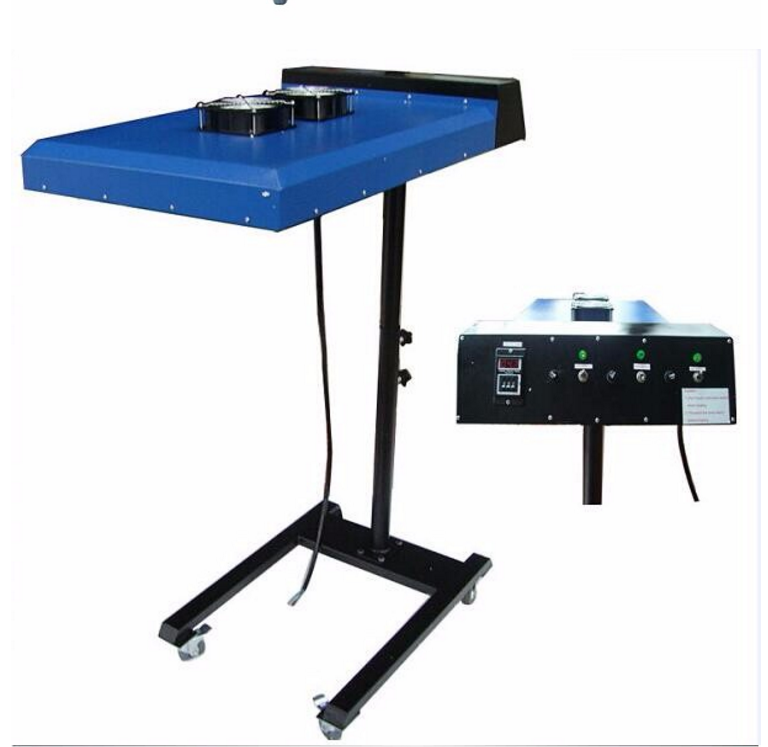
Print shop owners and screen printing professionals understand that efficient curing equipment is essential for producing high-quality prints with durability and vibrant colors. A flash dryer serves as a critical component in the screen printing process, providing rapid heat application to cure inks and ensure proper adhesion to various substrates. The selection of an appropriate flash dryer can significantly impact production efficiency, print quality, and overall operational costs. Modern flash dryer technology has evolved to offer enhanced temperature control, energy efficiency, and versatility across different printing applications, making the choice more complex yet rewarding for businesses seeking optimal performance.
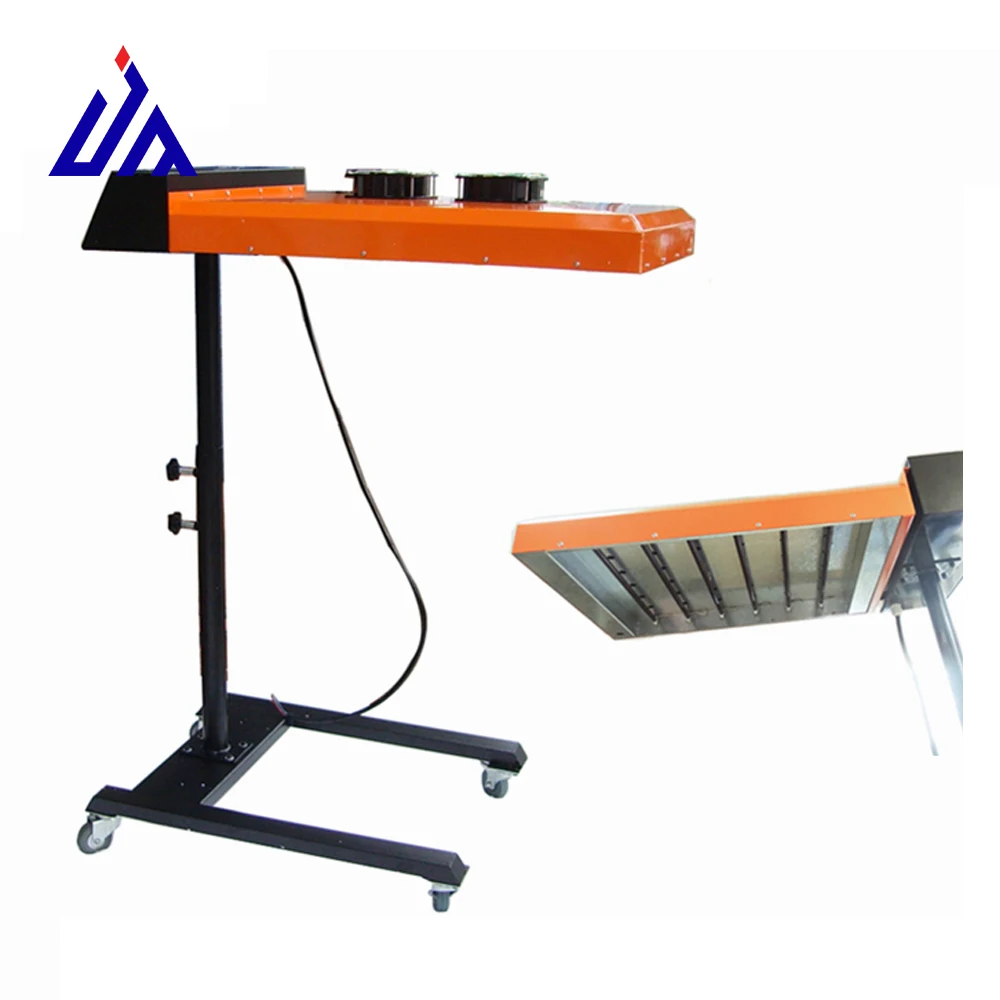
The screen printing industry continues to demand faster turnaround times and superior print quality, placing greater emphasis on reliable curing equipment. Professional print shops require flash dryer units that can handle diverse ink types, substrate materials, and production volumes while maintaining consistent results. Understanding the technical specifications, operational features, and performance characteristics of different flash dryer models enables informed decision-making that aligns with specific business requirements and growth objectives.
Essential Flash Dryer Technologies and Heat Sources
Infrared Flash Dryer Systems
Infrared flash dryer technology utilizes electromagnetic radiation to generate heat that penetrates ink layers effectively, providing rapid curing without excessive substrate heating. These systems offer precise temperature control and energy efficiency, making them suitable for heat-sensitive materials and detailed print work. Infrared flash dryer units typically feature adjustable heating elements that allow operators to customize heat distribution patterns based on print size and ink requirements. The technology provides consistent heat application across the print area, reducing the risk of uneven curing or color variations.
Professional infrared flash dryer models incorporate advanced temperature monitoring systems that ensure optimal curing conditions while preventing overheating that could damage substrates or cause ink discoloration. The rapid heat-up times associated with infrared technology enable efficient workflow management, particularly in high-volume production environments where quick turnaround times are essential. Many modern infrared flash dryer units also feature programmable settings that store specific temperature and timing parameters for different ink formulations and substrate combinations.
Quartz Flash Dryer Applications
Quartz-based flash dryer systems provide intense heat output through specialized quartz heating elements that deliver consistent temperature profiles across large print areas. The quartz flash dryer technology excels in applications requiring rapid curing of thick ink deposits or specialty formulations that demand higher activation temperatures. These systems offer exceptional durability and longevity, with quartz elements maintaining stable performance characteristics throughout extended operational periods.
Industrial quartz flash dryer units are particularly effective for curing plastisol inks, which require specific temperature ranges to achieve proper fusion and adhesion properties. The technology provides uniform heat distribution that eliminates hot spots and ensures complete ink penetration into substrate fibers. Professional print shops appreciate the reliability and low maintenance requirements of quartz flash dryer systems, which contribute to reduced operational costs and minimal production interruptions.
Performance Specifications and Sizing Considerations
Heat Output and Temperature Range
Selecting an appropriate flash dryer requires careful evaluation of heat output specifications to ensure compatibility with intended applications and production requirements. Temperature ranges typically span from 200 to 400 degrees Fahrenheit, with adjustable controls allowing precise heat management for different ink types and substrate materials. Higher-end flash dryer models offer expanded temperature ranges that accommodate specialty inks and experimental formulations requiring specific curing parameters.
Power consumption ratings directly correlate with heat output capabilities, influencing both performance potential and operational costs. Commercial flash dryer units typically range from 1500 to 5000 watts, with higher wattage models providing faster curing times and improved throughput for demanding production schedules. Energy-efficient flash dryer designs incorporate intelligent heating controls that optimize power usage while maintaining consistent temperature profiles, reducing electricity costs and environmental impact.
Print Area Coverage and Positioning
Flash dryer sizing must accommodate the maximum print dimensions encountered in typical production workflows, with adequate coverage ensuring complete ink curing across entire design areas. Standard flash dryer models offer heating areas ranging from 14x16 inches to 20x24 inches, with larger industrial units providing coverage up to 36x48 inches for oversized applications. Proper sizing prevents incomplete curing at print edges while avoiding unnecessary energy consumption from oversized equipment.
Adjustable positioning mechanisms enable precise flash dryer placement relative to printed substrates, ensuring optimal heat application angles and distances. Professional flash dryer units incorporate multi-axis adjustment systems that accommodate various press configurations and substrate thicknesses. The ability to fine-tune positioning parameters contributes to consistent curing results and reduces the likelihood of heat-related substrate damage or ink discoloration.
Integration with Screen Printing Equipment
Press Compatibility and Mounting Options
Modern flash dryer units are designed to integrate seamlessly with various screen printing press configurations, from manual tabletop units to fully automated industrial systems. Mounting hardware and positioning mechanisms must provide secure attachment while allowing smooth operation and easy adjustment during production runs. Compatibility considerations include press deck dimensions, station spacing, and clearance requirements for substrate handling and operator access.
Automatic flash dryer systems incorporate pneumatic or servo-driven positioning controls that coordinate with press timing sequences, ensuring precise heat application without interfering with substrate movement or print station operations. These integrated flash dryer solutions reduce manual intervention requirements and improve production consistency by eliminating timing variations associated with manual operation. Professional installations often feature programmable flash dryer controls that synchronize with press automation systems for optimal workflow efficiency.
Workflow Optimization and Production Efficiency
Strategic flash dryer placement within the production workflow maximizes throughput while maintaining quality standards across all printed items. Multi-station press configurations may require multiple flash dryer units positioned at specific intervals to accommodate complex color sequences and curing requirements. Proper workflow design minimizes substrate handling and reduces cycle times, contributing to improved productivity and reduced labor costs.
Flash dryer operation timing must coordinate with ink application sequences and substrate movement patterns to prevent bottlenecks and ensure adequate curing exposure for each printed layer. Advanced production facilities utilize computer-controlled flash dryer systems that automatically adjust timing and temperature parameters based on job specifications and substrate characteristics. This automation reduces operator training requirements while ensuring consistent results across different production runs and substrate types.
Maintenance Requirements and Operational Considerations
Preventive Maintenance Protocols
Regular flash dryer maintenance ensures optimal performance and extends equipment lifespan while minimizing unexpected downtime and repair costs. Cleaning procedures focus on removing ink residue and debris from heating elements and reflector surfaces, which can accumulate during normal operation and affect heat distribution patterns. Professional maintenance schedules typically include weekly cleaning routines and monthly component inspections to identify potential issues before they impact production.
Heating element replacement represents the primary maintenance requirement for most flash dryer systems, with component lifespan varying based on usage intensity and operational conditions. Quality flash dryer manufacturers provide detailed maintenance documentation and replacement part availability to support long-term equipment reliability. Proper maintenance practices can significantly extend flash dryer operational life while maintaining consistent performance characteristics throughout the equipment lifecycle.
Safety Protocols and Operational Guidelines
Flash dryer operation requires adherence to established safety protocols that protect operators from heat exposure and prevent fire hazards associated with high-temperature equipment. Proper ventilation systems remove heated air and ink vapors from the work environment, maintaining safe operating conditions and preventing accumulation of potentially harmful fumes. Safety training programs ensure operators understand proper flash dryer handling procedures and emergency shutdown protocols.
Temperature monitoring and control systems prevent overheating conditions that could damage substrates or create fire risks in production environments. Modern flash dryer units incorporate multiple safety features including automatic shutdown mechanisms, temperature limit controls, and emergency stop functions. Regular safety inspections verify proper operation of protective systems and ensure compliance with workplace safety regulations and insurance requirements.
Cost Analysis and Return on Investment
Initial Investment and Equipment Costs
Flash dryer pricing varies significantly based on heating technology, size specifications, and automation features, with entry-level manual units starting around $800 and industrial automated systems exceeding $10,000. Cost considerations must include installation requirements, electrical infrastructure modifications, and ventilation system upgrades that may be necessary for proper flash dryer operation. Professional consultation helps identify the most cost-effective flash dryer solution that meets current needs while accommodating future growth plans.
Financing options and leasing programs make advanced flash dryer technology accessible to smaller print shops with limited capital budgets, enabling access to professional-grade equipment without significant upfront investments. Total cost of ownership calculations should include energy consumption, maintenance expenses, and productivity improvements when evaluating different flash dryer options. Quality equipment often provides better long-term value despite higher initial costs due to improved reliability and lower operational expenses.
Productivity Improvements and Operational Benefits
Efficient flash dryer systems reduce production cycle times and enable higher throughput rates that directly translate to increased revenue potential and improved customer satisfaction. Consistent curing quality reduces rejection rates and rework requirements, contributing to material cost savings and improved profit margins. Advanced flash dryer technology enables print shops to accept more challenging projects and expand service offerings to include specialty applications requiring precise curing control.
Energy-efficient flash dryer models provide ongoing operational cost savings through reduced electricity consumption while maintaining superior performance characteristics. Modern control systems optimize heating cycles and reduce standby power consumption, contributing to lower utility bills and improved environmental sustainability. The combination of increased productivity and reduced operational costs typically results in flash dryer payback periods ranging from 6 to 18 months, depending on usage intensity and efficiency improvements.
FAQ
What temperature range is optimal for flash dryer curing of plastisol inks
Plastisol inks require flash dryer temperatures between 280-320 degrees Fahrenheit for proper curing, with specific temperatures varying based on ink formulation and substrate characteristics. The flash dryer should maintain consistent heat distribution to ensure complete ink fusion without overheating that could cause substrate damage or color shifts. Temperature monitoring systems help operators maintain optimal curing conditions throughout production runs.
How do I determine the correct flash dryer size for my print shop
Flash dryer sizing should accommodate your largest typical print dimensions plus a 2-3 inch border to ensure complete coverage and prevent edge curing issues. Consider your maximum substrate size, press configuration, and production volume requirements when selecting flash dryer dimensions. Oversizing provides flexibility for future growth while undersizing can limit production capabilities and print quality.
What maintenance schedule should I follow for my flash dryer equipment
Weekly flash dryer maintenance should include cleaning heating elements and reflector surfaces to remove ink residue and debris that can affect performance. Monthly inspections should verify electrical connections, temperature sensor accuracy, and mechanical component operation. Annual professional servicing ensures optimal performance and identifies potential issues before they cause production interruptions or safety concerns.
Can a flash dryer be used with water-based inks and specialty formulations
Modern flash dryer systems accommodate various ink types including water-based, plastisol, and specialty formulations through adjustable temperature and timing controls. Water-based inks typically require lower flash dryer temperatures and longer exposure times compared to plastisol inks. Proper flash dryer selection and setup ensure compatibility with your preferred ink systems while maintaining quality and efficiency standards.