
 EN
EN
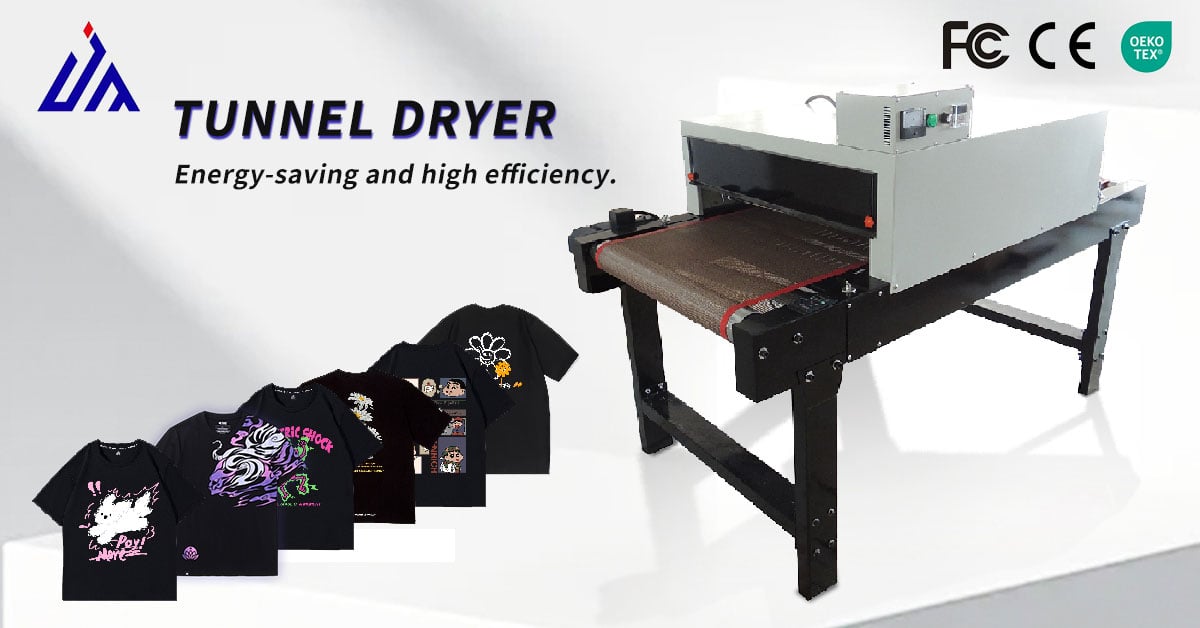
Modern food processing facilities increasingly rely on advanced drying technologies to maintain product quality while maximizing efficiency. Among these innovations, the tunnel dryer stands out as a game-changing solution that transforms how manufacturers approach moisture removal and product finishing. This sophisticated equipment combines controlled airflow, precise temperature regulation, and continuous operation to deliver consistent results across diverse food processing applications.
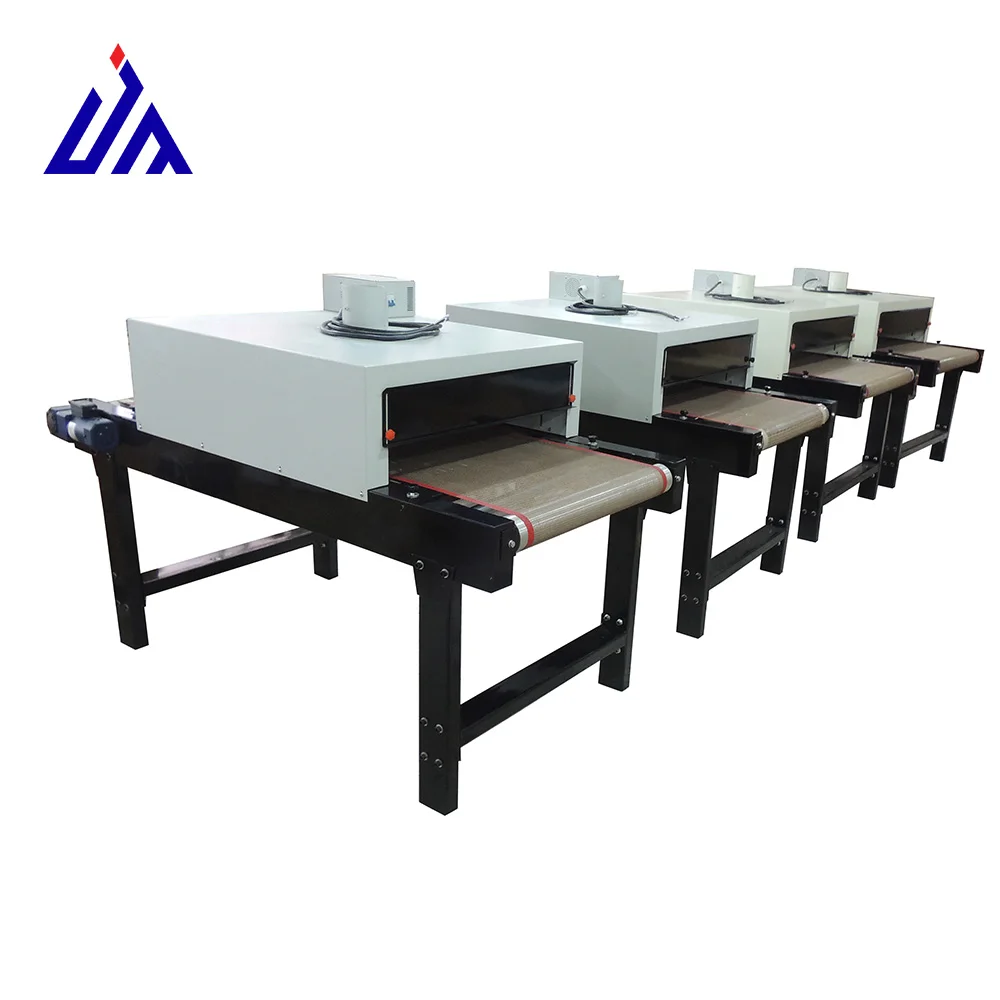
The evolution of drying technology has reached new heights with contemporary tunnel dryer systems, which offer unparalleled control over processing parameters. These systems enable manufacturers to achieve optimal moisture levels while preserving nutritional content, texture, and flavor profiles that consumers demand. As food safety regulations become more stringent and market competition intensifies, investing in reliable drying infrastructure becomes essential for sustainable business growth.
Understanding Tunnel Dryer Technology and Its Core Components
Heat Transfer Mechanisms in Modern Systems
Contemporary tunnel dryer designs incorporate multiple heat transfer mechanisms to optimize drying efficiency. Convective heat transfer occurs through carefully controlled air circulation patterns that ensure uniform moisture removal across product surfaces. Radiant heating elements provide targeted energy delivery to specific zones within the drying chamber, allowing operators to customize temperature profiles based on product requirements.
The integration of infrared heating technology represents a significant advancement in tunnel dryer performance. Infrared elements penetrate product surfaces more effectively than traditional heating methods, reducing processing times while maintaining product integrity. This technology proves particularly valuable when processing delicate items that require gentle yet thorough moisture removal.
Airflow Control and Ventilation Systems
Precise airflow management forms the foundation of effective tunnel dryer operation. Advanced systems employ variable-speed fans and adjustable dampers to create optimal air circulation patterns throughout the drying chamber. These components work together to eliminate hot spots and ensure consistent temperature distribution across the entire processing zone.
Modern ventilation systems incorporate sophisticated filtration mechanisms that maintain air quality while preventing contamination. HEPA filtration removes airborne particles, while activated carbon filters eliminate odors and volatile compounds. This comprehensive approach to air management ensures product safety while maintaining processing efficiency.
Operational Advantages of Continuous Processing Systems
Enhanced Production Efficiency and Throughput
Tunnel dryer systems excel in high-volume production environments where consistent output rates are critical. Unlike batch processing equipment, these continuous systems maintain steady throughput without interruptions for loading and unloading cycles. This operational advantage translates directly to improved productivity and reduced labor requirements across manufacturing facilities.
The conveyor-based design allows for seamless integration with upstream and downstream processing equipment. Products flow smoothly from preparation stations through the drying chamber to packaging operations, creating an efficient production line that minimizes handling and potential contamination points. This streamlined approach reduces processing bottlenecks while maintaining product quality standards.
Consistent Quality Control and Monitoring
Advanced monitoring systems provide real-time data on temperature, humidity, and airflow conditions throughout the tunnel dryer processing zone. These digital controls enable operators to maintain precise processing parameters and quickly identify any deviations from optimal conditions. Automated alert systems notify staff of potential issues before they impact product quality, preventing costly batch losses.
Data logging capabilities create comprehensive processing records that support quality assurance programs and regulatory compliance requirements. Historical data analysis helps identify optimization opportunities and supports continuous improvement initiatives. This documentation proves invaluable during audits and certification processes, demonstrating consistent adherence to established quality standards.
Energy Efficiency and Environmental Considerations
Heat Recovery and Thermal Management
Modern tunnel dryer installations incorporate sophisticated heat recovery systems that capture waste heat and redirect it back into the processing cycle. These systems significantly reduce energy consumption while maintaining optimal drying performance. Heat exchangers extract thermal energy from exhaust air streams and use it to preheat incoming fresh air, creating a closed-loop system that maximizes energy utilization.
Insulation improvements and thermal barrier technologies minimize heat loss to the surrounding environment. Advanced materials and construction techniques create highly efficient thermal envelopes that reduce energy requirements while maintaining stable internal conditions. These improvements contribute to lower operating costs and reduced environmental impact across the facility lifecycle.
Sustainability and Resource Conservation
Environmental stewardship drives many tunnel dryer design innovations, with manufacturers focusing on reducing resource consumption and waste generation. Water recycling systems capture condensate from the drying process and treat it for reuse in facility operations. This approach conserves fresh water resources while reducing wastewater discharge volumes.
Integration with renewable energy sources becomes increasingly viable as solar and wind technologies mature. Tunnel dryer systems can effectively utilize intermittent renewable energy sources through thermal storage systems that maintain consistent processing conditions even when renewable generation fluctuates. This flexibility supports corporate sustainability goals while reducing long-term energy costs.
Application Versatility Across Food Processing Sectors
Fruit and Vegetable Processing Applications
Tunnel dryer technology proves exceptionally well-suited for fruit and vegetable processing operations that require gentle moisture removal while preserving nutritional content. The controlled environment prevents oxidation and color degradation that commonly occurs with traditional drying methods. Temperature and airflow adjustments accommodate different product densities and moisture contents, ensuring optimal results across diverse crop varieties.
Specialized configurations handle challenging products such as leafy vegetables and delicate fruits that require careful handling during processing. Adjustable conveyor speeds allow operators to customize residence times based on product characteristics and desired final moisture levels. This flexibility enables processors to optimize quality while maintaining efficient production rates.
Protein and Meat Product Processing
Meat processing facilities utilize tunnel dryer systems for producing jerky, dried sausages, and other protein-rich products that require controlled dehydration. The precise temperature and humidity control prevents bacterial growth while achieving target moisture levels for extended shelf life. Uniform processing conditions ensure consistent texture and flavor development across product batches.
Food safety considerations drive many design features in meat processing applications, including easy-clean surfaces and sanitary construction materials. Stainless steel construction resists corrosion and facilitates thorough cleaning protocols required in protein processing environments. Removable components allow access for deep cleaning and maintenance procedures that maintain hygienic conditions.
Economic Impact and Return on Investment
Operational Cost Analysis and Savings
Investing in tunnel dryer technology generates measurable cost savings through reduced labor requirements and improved energy efficiency. Automated operation minimizes staffing needs while consistent processing eliminates waste from product variations and quality issues. These operational improvements typically generate significant cost reductions that support favorable return on investment calculations.
Maintenance costs remain predictably low due to robust construction and accessible component designs. Preventive maintenance programs extend equipment lifecycles while minimizing unexpected downtime that disrupts production schedules. The reliability of modern tunnel dryer systems contributes to stable operating costs and predictable maintenance budgets.
Market Positioning and Competitive Advantages
Facilities equipped with advanced tunnel dryer systems can pursue premium market segments that demand consistent quality and specialized processing capabilities. The ability to maintain precise processing conditions enables manufacturers to develop unique products that command higher prices and stronger customer loyalty. This market positioning generates revenue premiums that justify equipment investments.
Rapid production capabilities allow manufacturers to respond quickly to market opportunities and seasonal demand fluctuations. The scalability of tunnel dryer operations supports business growth without requiring proportional increases in labor or facility space. This operational flexibility provides competitive advantages in dynamic market conditions where responsiveness determines success.
Future Developments and Industry Trends
Smart Manufacturing Integration
Industry 4.0 technologies are transforming tunnel dryer operations through advanced sensors, artificial intelligence, and predictive analytics. Machine learning algorithms analyze processing data to optimize parameters automatically and predict maintenance requirements before equipment failures occur. These intelligent systems reduce operator workload while improving overall system performance and reliability.
Remote monitoring capabilities enable centralized oversight of multiple production facilities, allowing experienced operators to manage distributed operations efficiently. Cloud-based data platforms provide real-time visibility into system performance and enable rapid response to operational issues. This connectivity supports lean manufacturing principles while maintaining high-quality standards across all locations.
Advanced Materials and Construction Innovations
Research into advanced materials continues to improve tunnel dryer performance and durability. Ceramic heating elements provide superior temperature uniformity and extended service life compared to traditional metal elements. Composite materials offer improved corrosion resistance and thermal properties that enhance system efficiency while reducing maintenance requirements.
Modular construction approaches enable flexible system configurations that adapt to changing production requirements. Standardized components facilitate rapid installation and future expansion while reducing capital investment risks. This design philosophy supports scalable manufacturing strategies that accommodate business growth and market evolution.
FAQ
What factors determine the optimal tunnel dryer size for a food processing facility
Selecting the appropriate tunnel dryer size depends on several critical factors including desired production capacity, available floor space, product characteristics, and processing requirements. Production capacity calculations should account for peak demand periods and future growth projections to ensure adequate system capability. Product density, moisture content, and required residence time directly influence conveyor length and chamber dimensions needed for effective processing.
How does tunnel dryer technology compare to batch drying methods in terms of efficiency
Tunnel dryer systems typically demonstrate superior efficiency compared to batch methods through continuous operation, consistent processing conditions, and reduced labor requirements. Continuous processing eliminates downtime associated with loading and unloading cycles, resulting in higher overall throughput. Energy efficiency improvements stem from optimized heat recovery systems and precise temperature control that minimizes energy waste during processing cycles.
What maintenance requirements are essential for reliable tunnel dryer operation
Regular maintenance programs should include daily cleaning of conveyor surfaces, weekly inspection of heating elements and fans, and monthly calibration of temperature and humidity sensors. Quarterly maintenance involves thorough cleaning of heat exchangers, inspection of drive systems, and verification of safety interlocks. Annual maintenance includes comprehensive system inspections, component replacement based on wear schedules, and performance testing to ensure optimal operation.
How can food processors ensure consistent product quality when using tunnel dryer systems
Maintaining consistent product quality requires establishing standard operating procedures, implementing robust process control systems, and conducting regular quality monitoring. Temperature and humidity setpoints should be validated for each product type and documented in processing protocols. Real-time monitoring systems should track critical parameters continuously, with automated alerts for deviations from established ranges. Regular product sampling and testing verify that processing conditions achieve desired quality attributes consistently.
Table of Contents
- Understanding Tunnel Dryer Technology and Its Core Components
- Operational Advantages of Continuous Processing Systems
- Energy Efficiency and Environmental Considerations
- Application Versatility Across Food Processing Sectors
- Economic Impact and Return on Investment
- Future Developments and Industry Trends
-
FAQ
- What factors determine the optimal tunnel dryer size for a food processing facility
- How does tunnel dryer technology compare to batch drying methods in terms of efficiency
- What maintenance requirements are essential for reliable tunnel dryer operation
- How can food processors ensure consistent product quality when using tunnel dryer systems