
 EN
EN
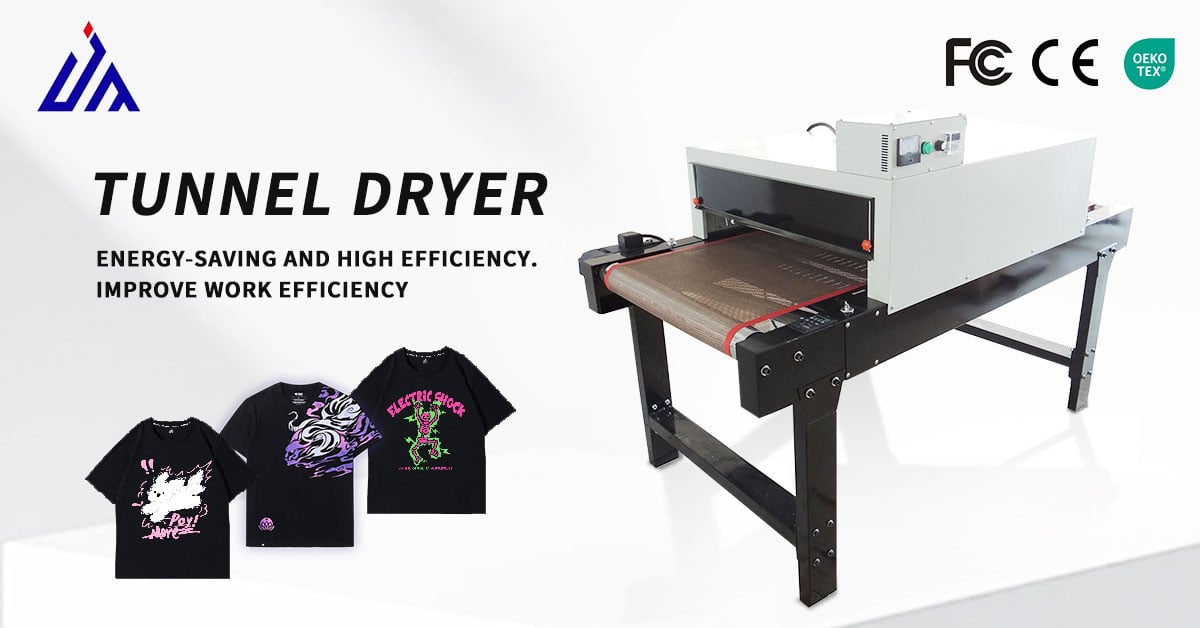
Industrielle tørreprocesser har gennemgået en betydelig transformation i de senere år, hvor energieffektivitet er blevet et afgørende anliggende for producenter inden for forskellige sektorer. Moderne produktionsfaciliteter kræver pålidelige og omkostningseffektive tørreløsninger, der kan håndtere operationer med høj kapacitet, samtidig med at de opretholder konsekvent kvalitetsstandard. Udviklingen af tørreteknologi har ført til fremkomsten af sofistikerede systemer, der optimerer energiforbruget, nedsætter driftsomkostningerne og forbedrer den samlede produktivitet. Disse avancerede systemer er blevet essentielle komponenter i produktionsmiljøer, hvor præcision og effektivitet er afgørende for succes.
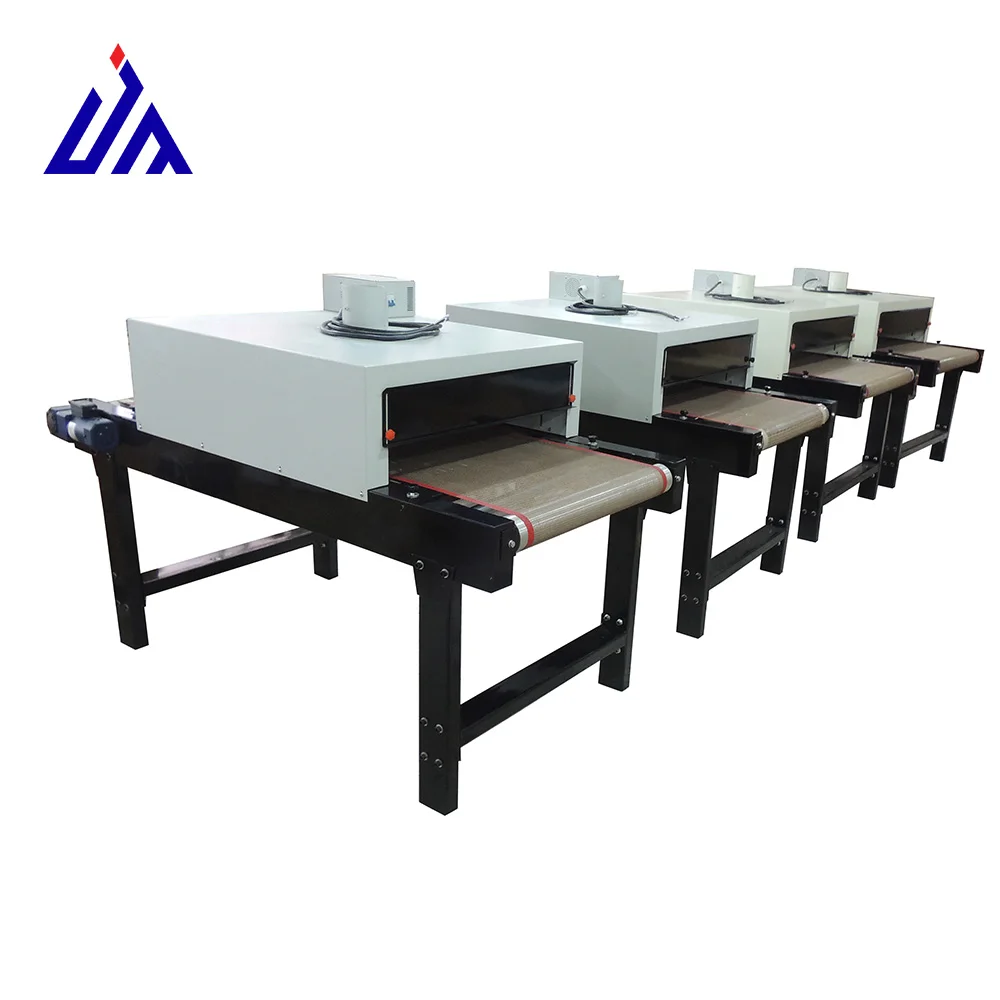
Forståelse af moderne tunnel-tørretækknologi
Kernekomponenter og designprincippet
Den grundlæggende arkitektur i moderne tørretunnelsystemer omfatter avancerede varmelegemer, præcise temperaturstyringer og optimerede luftstrømsmønstre for at opnå ensartede tørreresultater. Disse systemer har typisk infrarød varmeteknologi, som sikrer hurtig og effektiv varmeoverførsel direkte til materialeoverfladen. Transportbåndmekanismen sikrer en konstant materialebevægelse gennem tørrekammeret, mens sofistikerede kontrolsystemer overvåger og justerer parametre i realtid. Denne kombination af teknologier skaber en integreret løsning, der maksimerer effektiviteten, samtidig med at produktkvaliteten bevares gennem hele tørreprocessen.
Temperaturuniformitet udgør en kritisk faktor for ydeevnen af tunneltørrere og kræver omhyggelig dimensionering af opvarmningszoner og luftstrømsfordeling. Moderne systemer anvender flere opvarmningselementer, der er strategisk placeret for at skabe ensartede temperaturprofiler gennem hele tørrekammeret. Avancerede isoleringsmaterialer minimerer varmetab og forbedrer energieffektiviteten, mens programmerbare regulatorer giver operatører mulighed for at tilpasse tørringscyklusser efter specifikke materialer og produktionskrav. Disse designelementer arbejder sammen for at skabe et pålideligt og effektivt tørre-miljø, der er velegnet til forskellige industrielle applikationer.
Energiforbrugsinnovationer
Nyeste teknologiske fremskridt har dramatisk forbedret energieffektiviteten i industrielle tørringssystemer, hvor producenter har implementeret innovative funktioner såsom varmegenvindingssystemer og variabel hastighedsdrev. Disse forbedringer reducerer driftsomkostningerne, samtidig med at de opretholder de høje ydelsesstandarder, der kræves til kommerciel produktion. Intelligente styresystemer optimerer energiforbruget ved at justere opvarmnings- og luftstrømsparametre ud fra data fra realtidsmonitorering og sikrer effektiv drift under skiftende produktionsforhold. Integrationen af energibesparende komponenter har gjort moderne tunnelovnssystemer mere bæredygtige og omkostningseffektive til langsigtet drift.
Varmegenvindings teknologi opsamler og genbruger spildvarme fra tørreprocessen, hvilket markant reducerer det samlede energiforbrug sammenlignet med traditionelle systemer. Variabel-frekvensdrev styrer ventilatorhastigheder og transportørens bevægelse, således at systemparametre kan justeres præcist i overensstemmelse med produktionskravene. Disse innovationer, kombineret med forbedret isolering og optimeret luftstrømsdesign, skaber betydelige energibesparelser, der resulterer i lavere driftsomkostninger og forbedret miljømæssig bæredygtighed. Den samlede effekt af disse forbedringer gør moderne systemer væsentligt mere effektive end tidligere generationer af tørreudstyr.
Anvendelser i forskellige industrier
Tekstil- og beklædningsproduktion
Textilindustrien er stærkt afhængig af effektive tørringsløsninger til forskellige processer, herunder silketryk, behandling af stof og beklædningsproduktion. Moderne tunnel-tørringssystemer giver præcis temperaturregulering og jævn varmefordeling, hvilket er afgørende for at opnå konsekvente resultater i tekstilanvendelser. Silkeprintoperationer drager især fordel af infrarød tørringsteknologi, som hurtigt hærder blæk og belægninger uden at beskadige empfindelige stoffer eller trykte designs. Evnen til at behandle forskellige materialer ved varierende hastigheder gør disse systemer til alsidige værktøjer til mange krav inden for tekstilproduktion.
Beklædningsproducenter anvender tunneltørringssystemer for både produktionseffektivitet og kvalitetskontrol, således at trykte materialer opfylder strenge branchestandarder. Den ensartede varmetilførsel forhindrer farveudvaskning, bevarer stoffets integritet og sikrer korrekt blækfastholdelse på alle behandlede emner. Avancerede systemer kan håndtere forskellige typer stof, fra let bomuld til tungtsynthetic materialer, hvilket gør dem velegnede til mangfoldige produktlinjer. Integrationen af programmerbare kontroller giver producenter mulighed for at oprette specifikke tørringsprofiler for forskellige materialer og produktionskrav.
Elektronik og kredsløbspladebehandling
Produktion af elektronik kræver præcise tørringsprocesser til fremstilling af kredsløbsplader, komponentmontage og påføring af belægninger. tunnel tørker systemer sikrer det kontrollerede miljø, der er nødvendigt for udtørring af loddefluxer, limstoffer og beskyttende belægninger, som bruges i elektronikmonteringsprocesser. Evnen til at opretholde præcise temperaturprofiler sikrer korrekt udtørring uden at skade følsomme elektroniske komponenter eller substrater. Disse anvendelser kræver ekseptionel temperaturstabilitet og ensartet varmefordeling for at undgå termisk påvirkning og sikre pålidelige elektriske forbindelser.
Elektronikindustrien kræver højpræcise tørreløsninger, der kan håndtere små komponenter og komplekse samlinger med minimal termisk påvirkning. Moderne systemer omfatter avancerede muligheder for temperaturmåling og -styring, som forhindrer overophedning, mens det samtidig sikrer fuldstændig udhærdning af materialer. Den blide opvarmningsevne ved infrarød teknologi gør den særligt velegnet til behandling af varmefølsomme elektroniske komponenter, som kunne beskadiges af for høje temperaturer eller hurtige opvarmningscykluser. Denne præcisionskapacitet har gjort tunneltørringssystemer til uundværlige anlæg i moderne elektronikproduktionsfaciliteter.
Udvælgelseskriterier og præstationsoptimering
Kapacitets- og gennemstrømningskrav
Bestemmelse af passende systemkapacitet indebærer en omhyggelig analyse af produktionsvolumener, materialeegenskaber og ønskede gennemløbshastigheder for at sikre optimal ydelse og omkostningseffektivitet. Producenter skal overveje maksimale produktionskrav, materialers tørringstid og systemudnyttelsesgrad ved valg af udstyrspecifikationer. Transportbåndets hastighed og kammerlængde påvirker direkte behandlingskapaciteten, mens opvarmningsydelse og temperaturkapacitet bestemmer det materialeomfang, der kan behandles effektivt. Korrekt dimensionering sikrer en effektiv drift uden overkapacitet, der medfører unødigt energiforbrug, eller underkapacitet, der skaber produktionssnævringer.
Produktionsplanlægning og arbejdsgangintegration spiller en afgørende rolle for at maksimere systemudnyttelsen og afkastningen på investeringer i tunneltørreanlæg. Systemer bør konfigureres til at håndtere varierende produktblandinger og produktionsplaner, samtidig med at de fastholder konsekvente kvalitetsstandarder. Fleksibiliteten i at justere procesparametre for forskellige materialer og produkter øger systemets alsidighed og driftseffektivitet. Producenter drager fordel af systemer, der kan tilpasse fremtidig produktionsvækst og skiftende produktkrav, uden at der kræves komplet udstykningsudskiftning eller omfattende ændringer.
Vedligeholdelses- og driftsmæssige hensyn
Preventivt vedligeholdelsesprogram er afgørende for at sikre pålidelig drift og forlænge udstyrets levetid i krævende industrielle miljøer. Regelmæssig inspektion og vedligeholdelse af varmelegemer, transportbåndsystemer og styrekomponenter forhindrer uventede fejl og opretholder optimal ydelse. Adgang til reservedele og teknisk support påvirker betydeligt de langsigtede driftsomkostninger og systemets pålidelighed. Veludformede systemer indeholder funktioner, der forenkler vedligeholdelsesprocedurer og reducerer nedetid ved rutinemæssige serviceaktiviteter.
Operatørtræning og sikkerhedsprotokoller sikrer sikkert og effektivt systems drift, samtidig med at produktiviteten og udstyrets levetid maksimeres. Omfattende træningsprogrammer bør omfatte systemdrift, vedligeholdelsesprocedurer, sikkerhedskrav og fejlfindingsteknikker. Klare driftsprocedurer og sikkerhedsretningslinjer beskytter personale og udstyr, mens konsekvent produktionskvalitet opretholdes. Regelmæssige opdateringer af træningen sikrer, at operatører forbliver ajourført med systemets muligheder og bedste praksis for optimal ydelse og overholdelse af sikkerhedsstandarder.
Økonomiske fordele og investeringsafkastning
Energibesparelser
Moderne energieffektive tørretunnel-systemer giver betydelige omkostningsbesparelser gennem reduceret energiforbrug i forhold til traditionelle tørringsmetoder. Kombinationen af forbedret isolation, optimeret opvarmningsteknologi og intelligente kontrolsystemer skaber markante reduktioner i driftsomkostningerne. Varmegenvindingssystemer og frekvensomformere yderligere forbedrer energieffektiviteten, hvilket resulterer i målbare fald i forsyningsomkostninger over udstyrets levetid. Disse besparelser retfærdiggør ofte den oprindelige investering i avanceret tørringsteknologi inden for en rimelig tilbagebetalingsperiode.
Energirapporter og forbrugsovervågning giver kvantificerbare data, der demonstrerer de økonomiske fordele ved at opgradere til effektive tørringssystemer. Mange anlæg oplever energibesparelser på 20-40 % i forhold til ældre udstyr, hvilket resulterer i betydelige omkostningsreduktioner i drift med høj kapacitet. Den forudsigelige karakter af energibesparelser gør det muligt at beregne avancen nøjagtigt og understøtter velinformerede beslutninger vedrørende udstyrsindkøb. Langsigtet prognose for driftsomkostninger demonstrerer de økonomiske fordele ved at investere i energieffektiv tunneltørrerteknologi.
Forbedringer af produktionseffektivitet
Forbedret produktionseffektivitet gennem hurtigere behandlingstider og forbedret produktkvalitet skaber yderligere værdi ud over direkte energibesparelser. Moderne systemer reducerer cyklustider, mens de opretholder eller forbedrer outputkvaliteten, hvilket øger den samlede produktionskapacitet uden tilsvarende stigninger i driftsomkostningerne. Konsekvente tørringsresultater reducerer spild og behovet for ombearbejdning, hvilket forbedrer materialeudnyttelsen og formindsker produktionsomkostningerne. Pålideligheden i moderne systemer minimerer uforudset nedetid og vedligeholdelsesafbrydelser, der kan forstyrre produktionsplaner.
Kvalitetsforbedringer som følge af præcis temperaturregulering og ensartet opvarmning bidrager til reducerede forkastelsesrater og øget kundetilfredshed. Konsekvent produktkvalitet formindsker garantikrav og returneringer, samtidig med at den understøtter præmieprissætning for højkvalitetsprodukter. Evnen til at behandle forskellige materialer og produkter på et enkelt system øger driftsmæssig fleksibilitet og reducerer udstyrsinvesteringer. Disse samlede fordele skaber overbevisende forretningsmodeller for investering i avanceret tunneltørretækknologi.
Ofte stillede spørgsmål
Hvilke faktorer bør overvejes ved valg af et tunneltørresystem
Nøglefaktorer for valg inkluderer krav til produktionsvolumen, materialeegenskaber, tilgængeligt pladsforhold, energieffektivitetsklassificering og budgetbegrænsninger. Systemet bør matche dine specifikke procesbehov samtidig med, at der er plads til fremtidig vækst. Overvej de typer materialer, du skal tørre, krævede temperaturområder og ønskede gennemløbsrater. Energibesparende funktioner, vedligeholdelseskrav og tilgængelig teknisk support bør også påvirke dit valg for at sikre langsigtet driftsmæssig succes.
Hvordan sammenligner infrarød tunneltørrere sig med konventionelle opvarmningsmetoder
Infrarød opvarmning giver hurtigere varmeoverførsel, mere præcis temperaturregulering og forbedret energieffektivitet i forhold til konventionelle konvektionssystemer. Den direkte opvarmningsmetode reducerer behandlingstiderne, samtidig med at den sikrer en mild behandling af følsomme materialer. Infrarøde systemer tilbyder typisk bedre temperaturuniformitet og kræver mindre forvarmningstid, hvilket resulterer i øget produktivitet og energibesparelser. Det kompakte design og reducerede behov for luftcirkulation gør infrarøde systemer velegnede til forskellige installationsmiljøer.
Hvilket vedligehold er påkrævet for optimal ydelse af tunneltørrer
Almindelig vedligeholdelse omfatter rengøring af varmelegemer, inspektion af transportbåndkomponenter, kalibrering af temperaturstyringer og tjek af sikkerhedssystemer. Der bør oprettes en forebyggende vedligeholdelsesplan baseret på brugsniveau og producentens anbefalinger. Regelmæssig inspektion af isolation, elektriske forbindelser og mekaniske komponenter hjælper med at forhindre uventede fejl. Korrekt vedligeholdelse forlænger udstyrets levetid, bevarer energieffektiviteten og sikrer konsekvent produktkvalitet gennem hele systemets driftslevetid.
Hvordan kan energieffektiviteten maksimeres i tunneltørretørringsdrift
Maksimer effektiviteten ved at optimere temperaturindstillinger for specifikke materialer, benytte programmerbare kontroller til konsekvent drift og implementere varmegenvindingssystemer, hvor det er relevant. Regelmæssig kalibrering af temperatur- og tidskontroller sikrer optimal ydelse uden unødigt energiforbrug. Vedligeholdelse af korrekt isolation, rengøring af opvarmningselementer og optimering af transportbåndshastigheder bidrager til energieffektivitet. Uddannelse af operatører i bedste praksis og overvågning af energiforbrugsmønstre hjælper med at identificere muligheder for yderligere forbedringer.