
 EN
EN
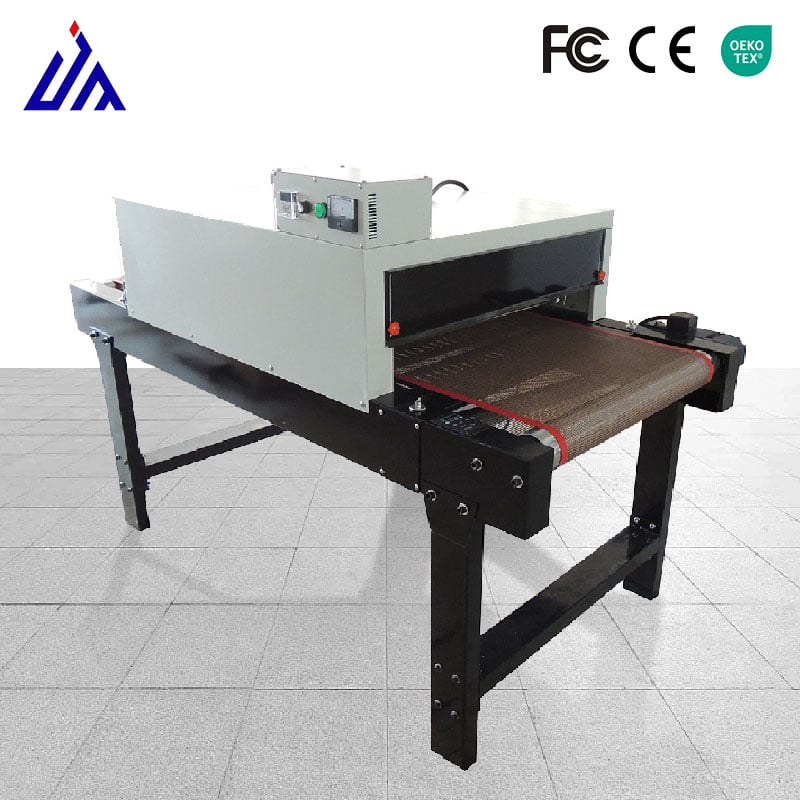
I processi di essiccazione industriale sono componenti fondamentali nelle operazioni produttive di vari settori, dall'industria della serigrafia e tessile a quella alimentare e chimica. Quando si sceglie l'attrezzatura per l'essiccazione più adatta al proprio stabilimento, comprendere le differenze fondamentali tra sistemi di essiccazione continui e discontinui è essenziale per ottimizzare sia la produttività che i costi operativi. La scelta tra queste due metodologie principali di essiccazione può influire in modo significativo sulla capacità produttiva, sul consumo energetico e sull'efficienza complessiva del processo manifatturiero.
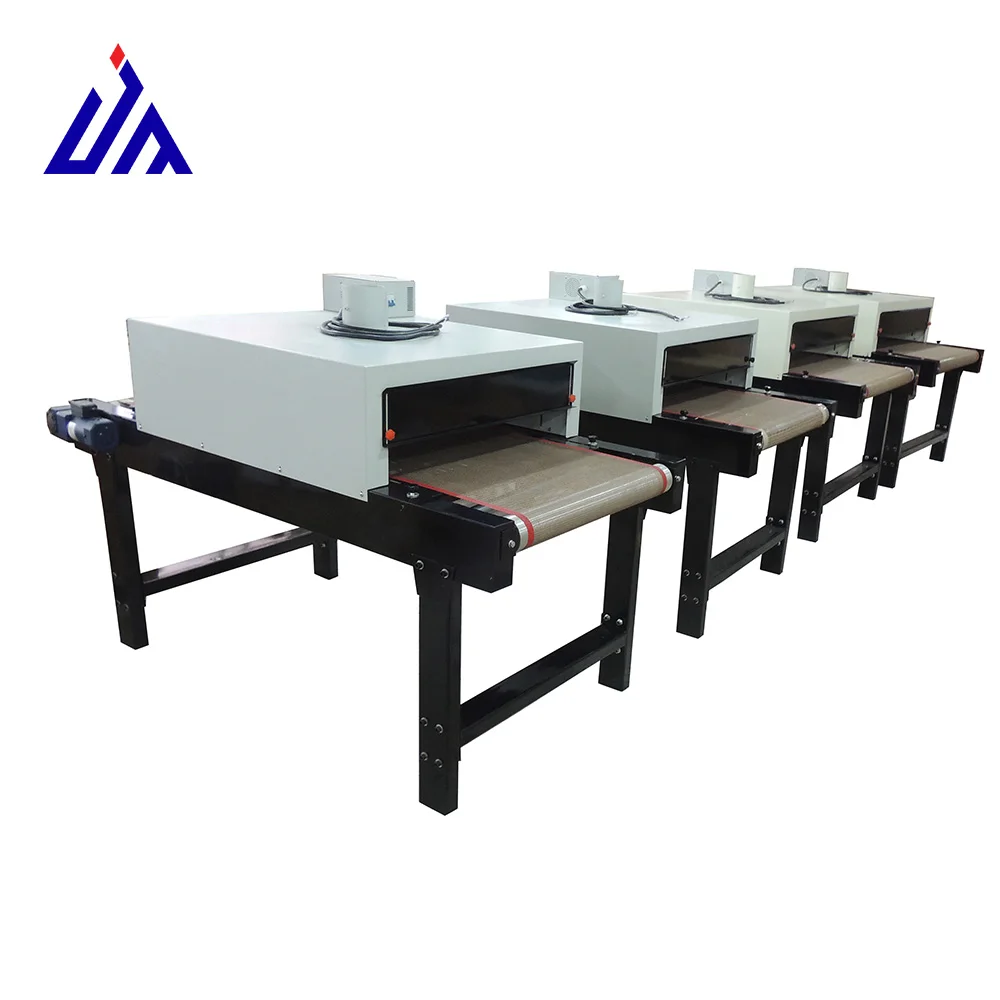
Comprensione della tecnologia del Tunnel Dryer
Vantaggi dell'Elaborazione Continua
I sistemi di essiccazione continua funzionano secondo il principio del flusso di materiale attraverso una camera chiusa in cui l'aria riscaldata circola in modo costante. Questi sistemi si distinguono negli ambienti produttivi ad alto volume, dove è fondamentale mantenere tassi di produzione costanti. La natura continua del processo elimina i cicli di avvio e arresto associati alla lavorazione discontinua, garantendo una distribuzione del calore più uniforme e una qualità del prodotto costante. Le strutture produttive che lavorano grandi quantità di materiali traggono vantaggio dal flusso di lavoro ininterrotto offerto dai sistemi continui.
L'architettura progettuale dei sistemi di essiccazione continua prevede diverse zone di riscaldamento che possono essere controllate in modo indipendente, consentendo agli operatori di regolare con precisione i profili termici in base alle specifiche esigenze del materiale. Questa capacità di controllo zonale permette un'accurata rimozione dell'umidità evitando surriscaldamento o insufficiente essiccazione dei prodotti. I modelli avanzati sono dotati di sofisticati sistemi di monitoraggio che rilevano temperatura, umidità e parametri del flusso d'aria all'interno della camera di essiccazione, garantendo condizioni di lavorazione ottimali mantenute costantemente.
Efficienza Energetica e Gestione del Calore
L'efficienza energetica rappresenta un vantaggio significativo dei sistemi di essiccazione continua ben progettati. Il funzionamento costante consente un migliore recupero e utilizzo del calore rispetto ai processi discontinui a lotti. Gli scambiatori di calore integrati negli essiccatori continui moderni catturano e riciclano l'energia termica dall'aria di scarico, riducendo il consumo energetico complessivo. Questa capacità di recupero del calore diventa particolarmente preziosa nelle operazioni che prevedono più turni o mantengono programmi di produzione continuativa.
La massa termica dei sistemi continui, una volta riscaldata, mantiene temperature operative stabili con un minimo apporto energetico per il mantenimento della temperatura. Questa stabilità termica riduce i picchi energetici associati ai frequenti cicli di riscaldamento e raffreddamento. Inoltre, i modelli di flusso d'aria costanti negli essiccatori continui favoriscono una distribuzione uniforme del calore, eliminando punti caldi che potrebbero causare difetti del prodotto o richiedere tempi aggiuntivi di lavorazione.
Caratteristiche e applicazioni degli essiccatori a lotti
Flessibilità e Varietà di Prodotti
I sistemi di essiccazione per lotti offrono una flessibilità senza pari per le operazioni che gestiscono diversi tipi di prodotto o frequenti passaggi tra materiali differenti. Ogni lotto può essere trattato con profili di temperatura specifici, tempi di essiccazione e condizioni atmosferiche adattati alle esigenze particolari di ciascun prodotto. Questa capacità di personalizzazione rende gli essiccatori per lotti ideali per la produzione specializzata, lo sviluppo di prototipi o le operazioni che producono diverse linee di prodotto con specifiche variabili.
La progettazione a camera chiusa dei sistemi di essiccazione discontinui consente un controllo preciso dell'ambiente di lavorazione, inclusa la possibilità di creare atmosfere inerti o condizioni di umidità controllata. Questa capacità di controllo ambientale risulta fondamentale nella lavorazione di materiali sensibili che richiedono condizioni atmosferiche specifiche per prevenire ossidazione, contaminazione o altri problemi di qualità. Gli operatori possono implementare ricette di processo dettagliate per diversi prodotti, garantendo risultati costanti tra diverse campagne produttive.
Considerazioni sui Costi e Investimento Iniziale
L'investimento iniziale di capitale per l'equipaggiamento di essiccazione a partite rappresenta generalmente un impegno finanziario inferiore rispetto ai sistemi continui di pari capacità. La costruzione più semplice e l'ingombro ridotto degli essiccatori a partite li rendono opzioni interessanti per operazioni di piccole dimensioni o aziende con spazi limitati. Anche i costi di manutenzione tendono ad essere inferiori grazie al minor numero di parti mobili e a sistemi di controllo meno complessi rispetto agli essiccatori continui a nastro.
Tuttavia, i costi operativi devono essere valutati sull'intero ciclo produttivo per determinare l'effettiva convenienza economica. Sebbene i sistemi a partite possano avere costi iniziali più bassi, la loro efficienza operativa in scenari ad alto volume si rivela spesso meno vantaggiosa rispetto alle alternative continue. I requisiti di manodopera per il caricamento, lo scaricamento e il monitoraggio delle singole partite possono aggiungere nel tempo costi operativi significativi, in particolare nelle strutture che operano su più turni.
Analisi del Volume di Produzione e della Capacità Produttiva
Scalabilità e pianificazione della capacità
I requisiti di volume produttivo costituiscono fattori determinanti primari nella scelta tra tecnologie di essiccazione continua e discontinua. I sistemi continui si distinguono quando si trattano tipi di prodotto consistenti in grandi quantità, offrendo elevate capacità di throughput adatte ad ambienti produttivi ad alto volume. La possibilità di mantenere un flusso costante di materiale attraverso la camera di essiccazione elimina colli di bottiglia associati alle operazioni di carico e scarico dei lotti.
Aasciugatrice tunnel questa configurazione offre ottime opzioni di scalabilità per operazioni in crescita, poiché spesso è possibile aggiungere sezioni del nastro trasportatore o zone di riscaldamento per aumentare la capacità. Questa capacità modulare di espansione consente alle aziende di adattare la propria capacità di essiccazione alle esigenze produttive variabili, senza dover sostituire interi sistemi.
Controllo qualità e monitoraggio del processo
Le metodologie di controllo qualità differiscono notevolmente tra gli approcci di essiccazione continua e quelli a lotti. I sistemi a lotti permettono controlli approfonditi prima e dopo la lavorazione su singoli lotti, facilitando il tracciamento e l'isolamento dei problemi di qualità quando si verificano. Ogni lotto rappresenta un'unità produttiva distinta che può essere testata, approvata o rifiutata in modo indipendente, senza influenzare altre produzioni.
I sistemi continui richiedono sistemi di monitoraggio e controllo della qualità in tempo reale per mantenere una qualità costante dell'output. Gli essiccatori continui avanzati incorporano sensori in linea e sistemi di controllo retroazionati che aggiustano automaticamente i parametri di processo in base alle caratteristiche del prodotto o alle condizioni ambientali. Questa capacità di monitoraggio in tempo reale garantisce una qualità costante, ma richiede sistemi di controllo più sofisticati e una formazione specifica per gli operatori per essere implementata efficacemente.
Requisiti di manutenzione e considerazioni operative
Protocolli di Manutenzione Preventiva
I requisiti di manutenzione variano notevolmente tra i sistemi di essiccazione continui e quelli a ciclo discontinuo, influenzando sia i tempi di fermo pianificati che i costi operativi. I sistemi continui con nastri trasportatori, meccanismi di trazione e diverse zone di riscaldamento richiedono programmi regolari di manutenzione preventiva per garantire un funzionamento affidabile. La regolazione della posizione del nastro, la lubrificazione dei cuscinetti e l'ispezione degli elementi riscaldanti diventano interventi critici di manutenzione da eseguire nei periodi di fermo programmati.
Gli essiccatoi a ciclo discontinuo generalmente presentano sistemi meccanici più semplici, con meno parti in movimento, il che comporta una minore complessità di manutenzione e minori esigenze di scorte di ricambi. La natura stazionaria del processo a ciclo discontinuo elimina i problemi di usura associati ai sistemi di movimentazione continua dei materiali. Tuttavia, i cicli ripetuti di riscaldamento e raffreddamento nelle operazioni a lotto possono generare sollecitazioni termiche sugli elementi riscaldanti e sui componenti di controllo, richiedendo particolare attenzione agli effetti di dilatazione e contrazione termica.
Formazione e requisiti di competenza per l'operatore
La complessità operativa differisce notevolmente tra i due approcci di essiccazione, influenzando i requisiti di formazione e i livelli di competenza degli operatori. I sistemi continui richiedono tipicamente una formazione più completa per gli operatori a causa della complessità dei controlli multizona, dell'ottimizzazione della velocità del nastro trasportatore e delle regolazioni in tempo reale del processo. Gli operatori devono comprendere la relazione tra la velocità del nastro, i profili di temperatura e la qualità del prodotto per mantenere condizioni di lavorazione ottimali.
La formazione per l'operazione a lotti si concentra maggiormente sulla gestione delle ricette di processo, sulla preparazione del carico e sulle procedure di ispezione della qualità. Sebbene possa richiedere meno competenze tecniche nel controllo di processi continui, gli operatori a lotti devono prestare grande attenzione ai parametri specifici di ogni singolo lotto e ai requisiti temporali. La natura discontinua dell'elaborazione a lotti consente un controllo qualità più personalizzato, ma richiede un rigoroso rispetto delle procedure stabilite per ciascun tipo di prodotto.
Impatto Ambientale e Sostenibilità
Modelli di Consumo Energetico
Le considerazioni ambientali influenzano sempre di più le decisioni di selezione delle attrezzature, poiché le aziende si concentrano sugli obiettivi di sostenibilità e di efficienza energetica. I sistemi di essiccazione continui, quando progettati ed eseguiti correttamente, spesso dimostrano una superiore efficienza energetica per unità di prodotto trattato rispetto alle alternative a ciclo discontinuo. Il funzionamento continuo elimina le perdite energetiche associate ai cicli ripetuti di riscaldamento e raffreddamento tipici della lavorazione a lotti.
I sistemi di recupero del calore integrati negli essiccatori continui possono catturare e riutilizzare significative quantità di energia termica che altrimenti andrebbero perse nell'atmosfera. Questa capacità di recupero energetico riduce il consumo complessivo di energia dell'impianto e l'impatto ambientale associato. Inoltre, il funzionamento costante dei sistemi continui consente una migliore integrazione con fonti di energia rinnovabile o con il recupero di calore residuo proveniente da altri processi all'interno dell'impianto.
Controllo delle Emissioni e Qualità dell'Aria
La gestione della qualità dell'aria e i requisiti di controllo delle emissioni influenzano la scelta tra tecnologie di essiccazione continua e discontinua. I sistemi continui richiedono tipicamente sistemi costanti di ventilazione e trattamento dell'aria per gestire le emissioni del processo e mantenere gli standard di qualità dell'aria. Il funzionamento in condizioni stazionarie consente un dimensionamento e una gestione costanti dei sistemi di controllo delle emissioni, ma richiede un monitoraggio e una manutenzione continuativi delle apparecchiature di trattamento dell'aria.
I sistemi a carica possono offrire vantaggi nelle strutture che lavorano materiali con caratteristiche di emissione variabili, poiché i sistemi di trattamento dell'aria possono essere regolati o gestiti diversamente per ogni tipo di carica. Il funzionamento intermittente degli essiccatoi a carica può ridurre complessivamente le emissioni in alcune applicazioni, in particolare quando si lavorano materiali con alto contenuto di sostanze volatili o che richiedono condizioni atmosferiche specifiche durante l'essiccazione.
FAQ
Quali fattori devo considerare nella scelta tra essiccatoi a tunnel ed essiccatoi a carica
I fattori principali includono i requisiti di volume di produzione, la varietà dei prodotti, lo spazio disponibile a pavimento, i costi energetici e la disponibilità di manodopera. Le operazioni ad alto volume con prodotti costanti traggono generalmente vantaggio dai tunnel asciugatori, mentre le strutture che lavorano prodotti diversi o quantità minori possono trovare più adatti gli asciugatori a carica discontinua. Considerare sia i costi iniziali di investimento sia le spese operative a lungo termine nel prendere questa decisione.
Come si confrontano i costi di manutenzione tra questi due sistemi di essiccazione?
Gli asciugatori a carica discontinua generalmente hanno costi di manutenzione inferiori grazie a sistemi meccanici più semplici e a un numero ridotto di parti mobili. I tunnel asciugatori richiedono piani di manutenzione più complessi per i sistemi di trasporto, le diverse zone di riscaldamento e i componenti destinati al funzionamento continuo. Tuttavia, l'elevata capacità produttiva dei tunnel asciugatori può giustificare i costi di manutenzione maggiori grazie a una produttività migliore e a costi di lavorazione inferiori per unità.
Posso passare da un'essiccazione a carica discontinua a una continua nella mia struttura esistente?
La conversione da sistemi di essiccazione discontinui a sistemi continui richiede una valutazione accurata della disposizione degli impianti, della capacità di alimentazione elettrica, dei sistemi di ventilazione e del flusso produttivo. I sistemi continui richiedono in genere maggiore spazio disponibile, un consumo energetico più elevato e sistemi di movimentazione materiali modificati. Consultare specialisti dell'equipaggiamento per valutare la fattibilità e le esigenze di modifica specifiche per il proprio impianto e le proprie esigenze produttive.
Quale metodo di essiccazione garantisce un migliore controllo della qualità del prodotto
Entrambi i sistemi possono raggiungere un eccellente controllo della qualità con una progettazione e un funzionamento adeguati. Gli essiccatori discontinui offrono un monitoraggio più semplice dei lotti e una verifica individuale della qualità per ogni lotto, risultando adatti ad applicazioni che richiedono una documentazione rigorosa sulla qualità. I sistemi continui forniscono condizioni di lavorazione più costanti ma necessitano di sistemi di monitoraggio sofisticati per mantenere gli standard qualitativi. La scelta dipende dalle specifiche esigenze qualitative e dai requisiti normativi da rispettare.
Indice dei Contenuti
- Comprensione della tecnologia del Tunnel Dryer
- Caratteristiche e applicazioni degli essiccatori a lotti
- Analisi del Volume di Produzione e della Capacità Produttiva
- Requisiti di manutenzione e considerazioni operative
- Impatto Ambientale e Sostenibilità
-
FAQ
- Quali fattori devo considerare nella scelta tra essiccatoi a tunnel ed essiccatoi a carica
- Come si confrontano i costi di manutenzione tra questi due sistemi di essiccazione?
- Posso passare da un'essiccazione a carica discontinua a una continua nella mia struttura esistente?
- Quale metodo di essiccazione garantisce un migliore controllo della qualità del prodotto