
 EN
EN
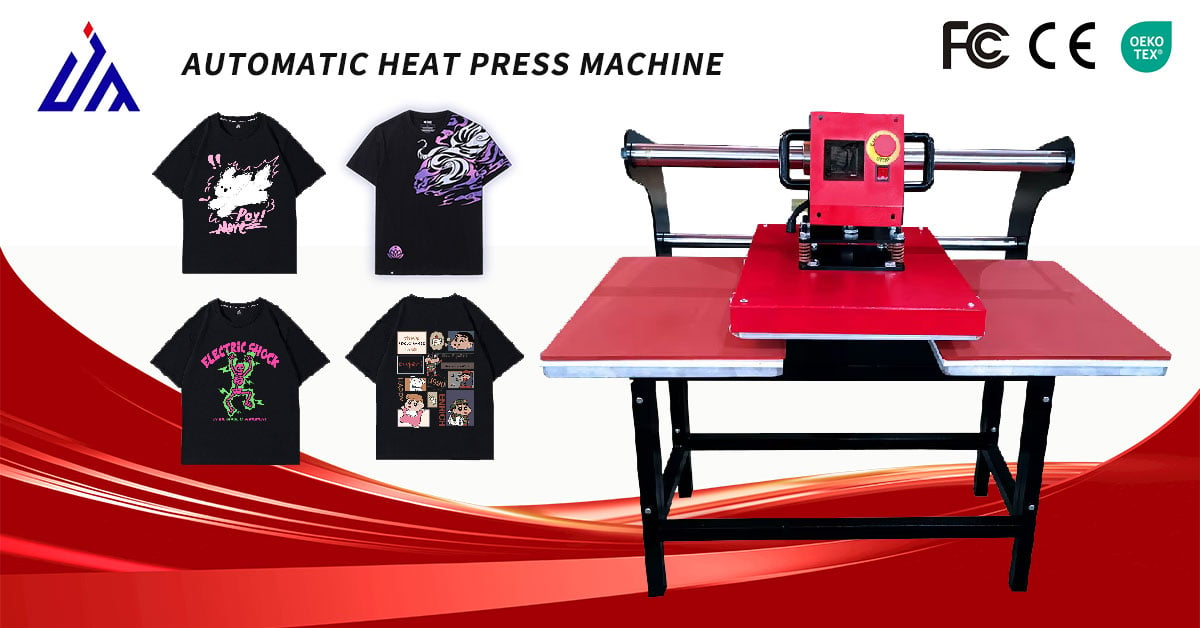
Li jgħid il-metodu ta’ stampa tajjeb għall-bizzness tiegħek jista’ jaffettwa sinifikantiment il-kariga, l-effiċjenza tal-produzzjoni, u s-sodisfazzjoni tal-klijent. Żewġ varjetajiet popolari iddominaw l-industrija tal-abbigliament personalizzat: teknoloġija ta’ maħżen tal-ħmira u stampar tradizzjonali bi skrin. Kull metodu joffri vantaggi distinti u limitazzjonijiet li jaffettwaw kollha minn kostijiet tal-bidu sa kapitaċitajiet tal-volum tal-produzzjoni. Kif tiftu testendi dawn id-differenzi jgħin lil imprenditori u bizznessi stabbiliti jagħmlu deċizzjonijiet informati dwar l-investimenti tagħhom fl-istampa.
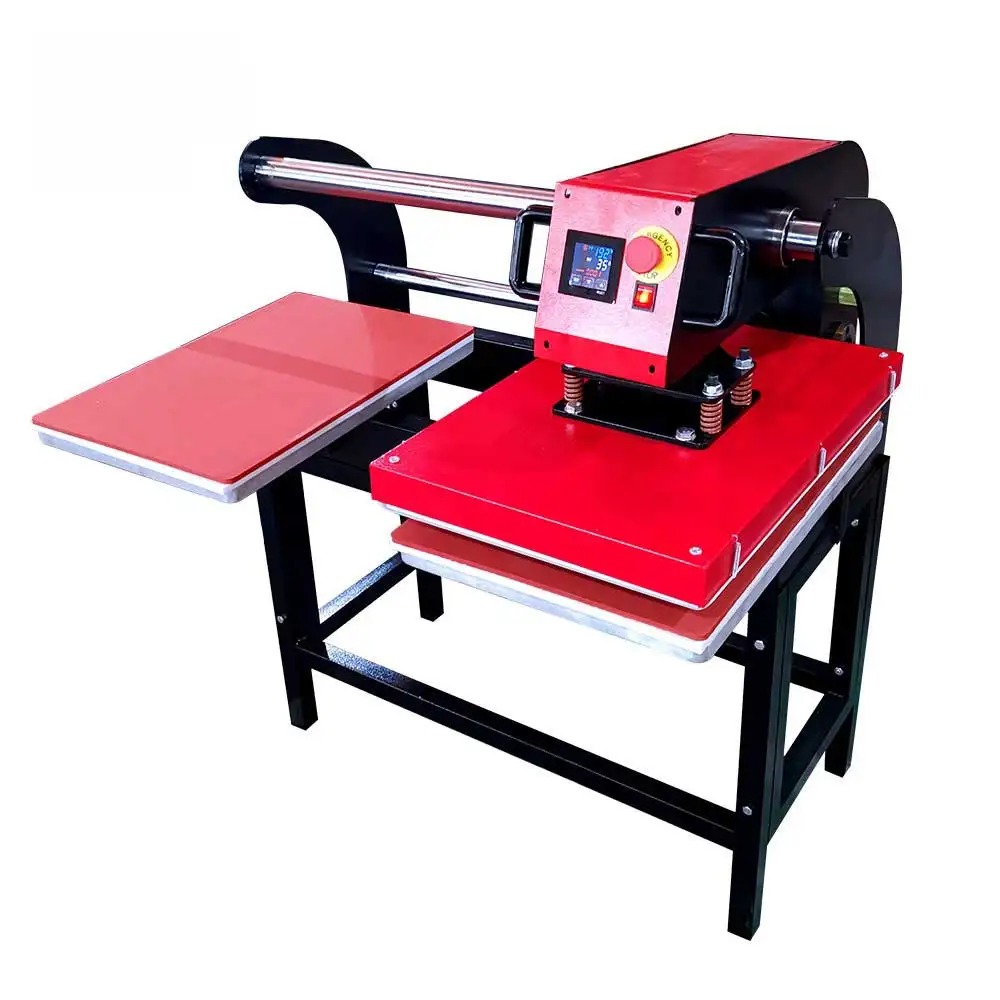
Evolva drammatikament l-industrija tal-istampar fl-aħħar deċennju, b’avvanzi teknoloġiċi li jagħmlu l-persunalizzazzjoni b’kwalità professjonali iktar aċċessibbli milliem qabel. Il-komputers moderni tal-pressjar bil-ħarqa joffru kontroll preċiż tat-temperatura u applikazzjoni konżistenti tal-prexxjoni, filwaqt li l-istampar fuq skrin għandu għal darba dominat il-produzzjoni kommersjali b’volum kbir. It-tmien metodi jservu segmenti speċifiċi tas-suq u mudelli ta’ negozju, li jagħmlu l-għażla bejniethom kritika għas-suċċess fis-suq kompetittiv tal-abiti personalizzati.
Fhem Teknoloġija tal-Magna tal-Pressjar bil-Ħarqa
Operazzjoni u Komponenti Bażiċi
X-xandiera tal-ħarqa topera permezz tal-applikazzjoni kontrollata ta' ħajt, pressjoni u ħin biex tittrasferixxi ddisinni fuq substrati varji. Il-komponenti fundamentali jinkludu pjanun sħen superjuri, mekkanizmu li jippermetti l-aggiustament tal-pressjoni, u sistema tat-tajmer li jiżgura risultati konżistenti. Il-modelli professjonali jkollhom displejs diġitali tat-temperatura, manometri tal-pressjoni, u settings programmabbli li jikkupru materjali tat-trasferiment u tipi ta' tessuti differenti.
It-teknoloġija moderna tax-xandiera tal-ħarqa tinkorpora elementi tas-ħajt avvanzati li jippartu l-temperatura uniformement fuq il-wiċċ kollu tal-pressjar. Din id-distribuzzjoni uniformi tat-temperatura tippreveni punti sħan li jistgħu iddurru tessuti delikati jew jagħmlu trasferimenti mhux uniformi. Il-sistema tal-pressjoni juża kuntrolli mekkaniku jew pnevmatiku biex japplika forza kostanti, jiżgura adheżjoni xierqa bejn il-materjal tat-trasferiment u l-substrat tal-għodda.
Tipi u Versatilità
Il-makkinarji tal-pressjoni tas-sħana jiġu b’konfigurazzjonijiet diversi biex jissodisfaw il-bżonnijiet differenti tal-produzzjoni u limitazzjonijiet ta’ spazju. Id-disinni tal-klamshell ipprovdu operazzjoni kompatta b’mekkaniżmi li jinfetħu mil-lies, filwaqt li l-mudelli swing-away ipprovdu aċċess aħjar għall-platen t’isfel u janqilu l-esponiment tas-sħana għall-operatur. Il-unitajiet tat-tip draw-jistgħu jikbru benefiċċji ta’ żewġ id-disinni, u jipprovdul operazzjoni ergonomika u distribuzzjoni konżistenti tal-pressjoni.
Il-versatilità ta’ makina kwalifikata tal-pressjoni tas-sħana twassal lil hinn mill-printjar bażiku tat-tixtri u tinkludi ċapċi, kasar, pjaṭṭi, u oġġetti tridimensjonali. L-attakkamenti speċjalizzati u l-platen interkambjabbli jippermettu lin-negozji biex jivvarjaw il-prodotti li joffru mingħajr il-bżonn investi f’aktar minn pezz ta’ apparat. Din l-adattabilità tagħmel it-teknoloġija tal-pressjoni tas-sħana partikolarment attrattiva għan-negozji żgħar u l-impriżaturi li jistkellfu segmenti differenti tal-marka.
Tbdil fil-forma Fundamenti
Ħarsa Ġenerali tal-Proċess u tal-Ekwipagg
Stampa tas-skrin ibni fuq ikkurriment ta' inka permeż il-maġġen użando sikkijiet biex joħloq stammi preċiżi u durevoli fuq diversi substrati. Il-proċess jidħol għalfejn, sikkijiet, inki u sistema ta' pressa li tiftiħ il-maġġen b'reġistrazzjoni preċiża. Kull kulur fid-disinn jibżonn skrin separat, li jagħmel iż-żmien tal-ippreparazzjoni proporzjonali lik-kumplessità tad-disinn u għan-numru ta' kuluri.
Operazzjonijiet professjonali ta' stampa tas-skrin jużaw pressi b’ħafna postijiet li jippermettu l-istampa simultanja ta’ ħafna kuluri jew karigi effiċjenti ta’ produzzjoni. Il-proċess ta’ applikazzjoni tal-inka jippermetti abbinament preċiżu tal-kuluri, effetti speċjali bħal finiti metaliku jew li jilgħu fil-bujda, u durevola superjuri komparata ma’ ħafna metodi ta’ trasferiment. Madankollu, l-investiment inizjali u r-rekwiżiti ta’ spazju huma sinifikanti iktar minn installazzjonijiet ta’ mašini għall-pressjar bil-ħmura.
Kapaċitajiet ta’ Produzzjoni u Effiċjenza
Stampa skrin ikkupra tibda fl-iskenarji ta’ produzzjoni b’volum altu fejn il-kosta kull unità tonqos sinifikantement qabel ma tżid il-kwantità. Meta jkunu preparati s-skrini u l-press ikun mistieden, operaturi esperti jistgħu jipproduċu ħdax-il jew eluf ta’ stammi identiċi b’konżistenza notevoli. Il-proċess isir dejjem aktar effiċjenti meta tżid il-kwantità tal-ordnijiet, li jagħmlu metodu preferut għal-runs kommerċjali kbiri.
L-effiċjenza tat-tipografiya skrin tkun fil-kapaċità tagħha li tipprintja ħafna kapplikazzjonijiet simultanjament u fis-sebaħ li biha operaturi professjonali jistgħu jaħdmu. Offiċjin professjonali jistgħu jikkumplimenti ddisinni sempliċi ta’ kulur wieħed f’sekondi kull pezz, filwaqt li ddisinni multi-kulur iktar komplessi jitlobu iktar ħin għall-kura proporzjonata bejniethom. Dan l-avvantatġġ tal-effiċjenza jidher ċar meta tqabbel iż-żmien ta’ produzzjoni għal ordnijiet li jsupraw eluf ta’ pezzi.
Analisi tal-Kost u Kunsiderazzjonijiet tal-Investiment
Ħtiġijiet tal-Investiment Inizjali
Il-bidu ta’ operazzjoni ta’ makina tal-press tas-sħana jitlob investiment inizzjali sensibilment iktar baxx komparat mal-impostazzjoni tat-tipografija skrin. Makina b’kwalità professjonali mašina għall-Pressja tal-Għar jista' jikkosta minn $300 sa $3000, skont id-daqs u l-karatteristiċi, filwaqt li stampa fuq ekran jibżġħ presses, ekranijiet, inki, kemikali u apparati ta' ċerwieġ li jistgħu jilħqu $5000 sa $50000 għall-issett komplut.
Il-bżonnijiet ta' spazju differenti drammatikament bejn dawn il-metodi. Operazzjoni ta' mašina għall-press ta' ħmura tista' tixrob b’effikaċja f'kamra żgħira jew garażż, b’ventilazzjoni minimu u spazju ta' magazzin, filwaqt li stampa fuq ekran tidħol spazju dedikat għall-preparazzjoni tal-ekran, zona tat-tampawtura, apparati ta' ċerwieġ, u magazzin ta' kemikali, flimkien ma'sistemi ta' ventilazzjoni xierqa biex timmaniġġja r-rodli u tiżgura s-sigurtà tal-operatur.
Kostij Operattivi Kurrenti
Il-kostijiet tal-operazzjoni tal-makina għall-ibda b’ħmura jinġabru prinċipalment mill-materiali tat-trasferiment, li normalment ikostaw minn $0.50 sa $3.00 kull trasferiment skont id-daqs u l-kwalità. Dawn il-materiali għandhom ħajja utli twila u jeħtieġu kondizzjonijiet minimi ta’ magazzinar, li jagħmlu l-gestjoni tal-inventarju faċli. Il-konsum tal-elettriku jibqa’ baxx nisbi, u r-rekwiżiti ta’ manutenzjoni huma minimi meta tinsab operazzjoni korretta.
Il-kostijiet operattivi tal-istampar tas-silka jinklu inki, kemikali, skrinijiet, rasiet tax-xafra, u materiali tal-emulsjoni. Għalkemm il-kosta tal-materiali kull unità tista’ tkun iktar baxxa għal produzzjoni kbira, il-fattur tal-skart u l-materiali tal-setup jżidu kostijiet sinifikanti għal ordnijiet żgħar. Il-kemikali għall-irkupar skrinijiet, il-borra korretta tal-materiali skartati, u l-manutenzjoni regolari tal-ekwipaggji jikkontribwixxu għal kostijiet operattivi kontinwi li iridu jiġu kkunsidrati fil-kalkoli tal-prezz.
Paragun ta’ Kwalità u Twettiq
Karatteristiċi tal-Kwalità tal-Istampar
Stampa tas-skrin tipikament ipproduċi kwalità superjuri tal-istampa b’kuluri vivi, dettalji ħad-in and mejjin eċċellenti fuq abbigliet dar̊k. L’injam jinsab fuq il-wiċċ tal-fabrka, jagħmel sensu sostanzjali li ħafna klijenti jassoċjaw ma’ kwalità professjonali. Il-kapaċitajiet ta’ abbinar kulur huma eċċezzjonali, u effetti speċjali bħal injam metaliku, riflettenti jew b’tessitura jistgħu jinkisbu faċilment permezz ta’ metodi ta’ stampa tas-skrin.
It-trasferimenti tal-makina tal-ħmura joffru karatteristiċi differenti tal-kwalità skont il-materjal trasferiment użat. It-trasferimenti tal-vinil ta’ kwalità għolja jistgħu jipproduċu linji ħaḍin u ċarija perfetti għall-karattru u grafika sempliċi, filwaqt li t-trasferimenti tas-sublimazzjoni fuq abbigliet tal-poliester jistgħu jilħqu kwalità fotografiċi b’opzjonijiet illimitati ta’ kuluri. Madankollu, xi materjali trasferiment jistgħu jkollhom sentenza notevoli jew spissness li jifferi mis-seħħ dirett tal-istampa tas-skrin.
Tulija u Reżistenza lil-lavaggi
Id-disinni stampati tas-skrin korrettament ikkomplizzati juri durabbiltà eċċezzjonali, spiss isiru sal-centinaja ta'dawra taħlas mingħajr tibdil sinifikanti jew itkis. L-injett ibbonda kimikament mal-ġid il-karrew, jagħmlu bind permanenti li jirrifjuta l-użu normali u t-tixrob. Injetti plastisoli, meta ikkomplizzati korrettament, jimxu l-appearance tagħhom u l-flessibilità tagħhom minħabba d-dawra ripetuti taħlas u l-indossar.
Il-kayyem tal-transfer tal-magna tas-sħana jvarja sinifikantement bbażat fuq il-kwalità tal-materjal tat-transfer u t-teknika tal-applikazzjoni. Transfer vinili premjati jistgħu jaqsmu snin b’kura xierqa, filwaqt li materjali ta’ kwalità iktar baxxa jistgħu jibdew jitkelbu jew jibdlu wara ħalas minimu. It-transfer sublimazzjoni fuq ftit naturali approprijati tal-poliester ippreżentaw permanenza eċċellenti minħabba li l-injett isir parti strutturali tal-ftit, iżda din il-metodu limitata għal materjali sintetiċi ta’ kulur qaljan.
Kunsidrati dwar il-Volum ta' Produzzjoni
Effiċjenza tal-Partiti Żgħar
It-teknoloġija tal-makina għall-pressjar tas-sħana tispikkar f’produzzjoni ta’ partijiet żgħar u ordnijiet personalizzati fejn il-ħin tal-ippreparazzjoni u l-ispejż ta’ materjal huma fatturi kritiċi. Ordnijiet ta’ pezza waħda jistgħu jintemmew b’mod effiċjenti mingħajr il-preparazzjoni estensiva meħtieġa għall-printja skreen. Din il-kapaċitá tagħmel l-operazzjonijiet tal-pressjar tas-sħana ideali għall-persunalizzazzjoni personalizzata, produzzjoni ta’ kampjuni, u servizzi ta’ printja fuq talba li jissodisfa r-rekwiżiti individwali tal-klijenti.
Il-flessibilità tal-produzzjoni bil-makina għall-pressjar tas-sħana tippermettili nibbdu offrutta b’opzjonijiet illimitati tad-disinn mingħajr preokkupazzjoni dwar l-inventarju. Il-fajls diġitali jistgħu jintipprekaw fuq materjali tat-trasferiment meta meħtieġ, li jitneħħi l-bżonn għal kwantità minimi tal-ordni jew limitazzjonijiet tad-disinn. Dan il-vantaġġ jibenefika partikolarment in-negozji li jisservu suqijiet niċċa jew offru prodotti altament personalizzati li saribu prattiċi ma’ metodi tradizzjonali ta’ printja skreen.
Produzzjoni ta’ Volum Ikbir
Is-sebgħa tal-iskrin isir ikbar b’mod dejjem meta l-volumi tal-produzzjoni jimxu 'l fuq minn eluf ta’ pezzi għal kull disinn. Il-ħin u l-ispiji tal-setup jitqasmu fuq kantitajiet ikbar, li jagħmlu l-ispiża għal kull pezz b’mod sinifikanti iktar baxxa komparata mal-alternattivi tal-makkinarju tal-kawwara. L-istrużżjoni awtomatika tas-sebgħa tal-iskrin tista’ tilħaq velloċitajiet tal-produzzjoni li jaqsu 1000 pezz orarjament għal disinni sempliċi.
Madankollu, l-operazzjonijiet tal-makkinarju tal-kawwara jistgħu jiskalaw permezz ta’ unitajiet multipli u organizzazzjoni effiċjenti tal-flus ta’ xogħol. Xi operazzjonijiet ta’ volum għoli jużaw bankijiet ta’ makkinarji tal-kawwara b’operaturi dedikati biex jakkwistaw kapabilitajiet sinifikanti ta’ produzzjoni. Għalkemm il-ħin għal kull pezz jista’ jkun iktar għoli komparat mas-sebgħa tal-iskrin, l-eliminazzjoni tal-ħin tal-setup u l-abiltà biex jintibbu bejn id-disinni istantaniejament jistgħu jipprovdu vantagġi kompetittivi f’ċerti setturi tal-marka.
Implikazzjonijiet tal-Mudell tal-Biżness
Allinjament tal-Marketta Mirduma
L-għażla bejn il-magna tal-istampar bis-sħana u t-teknoloġija tal-istampar fuq il-qiegħ għandha tkun allinjata mas-suq fil-mira u l-objettivi tan-negozju tiegħek. L-operazzjonijiet tal-istampar bis-sħana naturalment jaqblu ma' negozji li jiffokaw fuq il-kustomazzjoni, il-personalizzazzjoni, u l-kwantitajiet ta' ordni żgħar sa medji. Dan jinkludi kumpaniji ta' prodotti promozzjonali, merkantiżmu ta' avvenimenti, uniformijiet ta' timijiet żgħar, u servizzi ta' ħwejjeġ personalizzati diretti għall-konsumatur.
In-negozji tal-istampar fuq il-iskrin normalment jimmiraw lejn kontijiet bl-ingrossa, ordnijiet ta' organizzazzjonijiet kbar, u marki tal-bejgħ bl-imnut li jeħtieġu produzzjoni konsistenti u ta' volum għoli. L- ekonomiji taʼ skala fl-istampar fuq il- skrin jagħmluha ideali biex iservi l- skejjel, il- korporazzjonijiet, u l- katini tal- bejgħ bl- żgħira li jordnu mijiet jew eluf taʼ oġġetti identiċi. Id-dehra professjonali u d-durabilità tal-prodotti stampati fuq il-ħajt jappoġġjaw strateġiji ta' prezzijiet premium għal marki stabbiliti.
Skalabbiltà u potenzjal ta' twieled
Il-biżgħa tal-makkinarji tal-pressjoni tas-sħana jistgħu jikbru gradwalment b’investiment inkrementali baxx nisbit. Id-dod ta’ unitajiet addizzjonali, l-espansjoni tal-inventarju tal-materiali tat-trasferiment, jew l-investiment fl-ekwipaggji għall-qtagħ jistgħu jżidu l-kapaċità mingħajr biddi sinifikanti fil-faċilitajiet. Din l-iskalabbiltà tagħmel l-operazzjonijiet tal-pressjoni tas-sħana attrattivi għall-abituri li jipprova d-demanda tas-suq jew li joħroġu b’kapital inizjali limitat.
L-operazzjonijiet tal-istampar tas-skrin jeħtieġu investimenti iktar sinifikanti għall-kresita iżda joffru kapaċità ogħla fl-produzzjoni fit-tul. L-aġġornament għal pressjonijiet awtomatiċi, id-dod ta’ stazzjonijiet, jew l-espansjoni tal-kapaċità tat-tisjir jinvolve kapital sinifikanti iżda jista’ jżid drammatikament il-kapaċitajiet tal-produzzjoni u l-potenzjal tat-toloq. Il-barra iktar għolja għall-ingress tista’ wkoll tipprovdix protezzjoni kompetittiva darba stabilita fis-suq.
Mistoqsijiet Frekwenti
X’inhu l-kurva tipika tal-għallim għall-makkinarju tal-pressjoni tas-sħana kontra l-istampar tas-skrin
Possibbli li tibbenifikas minn kura ħdela relattivament ftit għall-użu tal-makina għall-pressjar tas-sħana, fejn il-plurin operatori jsiru kompetenti f'xi ħabta ta' jiem ta' prattika. Il-proċess jinkludi l-konfigurazzjoni tal-parametri tat-temperatura u pressjoni, il-pożizzjonar tat-trasferimenti, u l-użu tal-kontrolli tal-kronometru. L-istampar tas-krin jitkiel ta' trejning iktar estensiv li jinkludi preparazzjoni tas-krin, mixxja tal-injazz, setup tar-reġistrazzjoni, u tekniķi biex tittruvaw l-erori li jista' jieħu ġimgħat jew xulxin biex ittimma kompletament.
Liema metodu joffri margens iktar kbir tal-profitt għall-bijiet żgħar
Il-margens tal-profitt jiddependu ħafna s-suwwija tal-ordni u l-mudell tal-biż-ħsieb. Operazzjonijiet bl-użu tal-makina għall-pressjar tas-sħana tipikament joffru margens iktar għoljin fuq ordnijiet żgħar minħabba kostijiet minimi ta' setup u skart, filwaqt li l-istampar tas-krin jipprovdix margens iktar tajbin fuq ordnijiet ikbar fejn il-kostijiet ta' setup jintużaw fuq aktar unitajiet. Il-bijiet bbażati fuq il-pressjar tas-sħana spiss jistgħu jitlobu prezzijiet iktar għoljin għal servizzi ta' personalizzazzjoni, filwaqt li l-istampar tas-krin jitkompa diġà fuq effiċjenza fil-volum u kost kull pezz.
Jistgħu l-makkinarji għall-ibda s-sħana jimxu b’varjetà tal-kwiegħ bħal dik tat-tipografija tas-siljena
Il-makkinarji moderni għall-ibda s-sħana jistgħu jaccommodaw il-plurin tad-dħajen inklużi ktan, blends poliestru, tessuti għall-prestazzjoni, u materjali speċjaliżati. Madankollu, xi dħajen delikati jew kwiegħ tridimensjonali jistgħu ikunu iktar adattati għal tekniki tat-tipografija tas-siljena. L-operazzjonijiet tal-ibda s-sħana jaqsmu ma’ superfici misqufa imma jistgħu jkollhom diffikultajiet ma’ tessuti b’tessitura intensiva jew kwiegħ b’kostruzzjoni komplessa li tprevjeni distribuzzjoni uniformi tal-ippreżjar.
Liema kondizzjonijiet ta’ manutenzjoni għandhom jikkuntentaw bis-nessjar għal kull metodu
Il-ġestjoni tal-kaxxa tal-ħarqa hija ġeneraliżment inċensiva b’xi ftit, u tinkludi n-nixxif regolari tal-elementi tas-sħana, iċċekkjar tal-kalibrazzjoni, u s-sostituzzjoni tal-komponenti logħob bħas-saffijiet tat-Teflon jew l-elementi tas-sħana. Il-priżint tal-iskrin jitlob ġestjoni iktar estensiva li tinkludi n-nixxif tal-iskrin u r-rekupru, regolazzjonijiet tal-presja, n-nixxif tas-sistema tal-injk, u l-ġestjoni tal-attrezzaturi tat-tisħin. Il-kumplessità u l-frekwenza ta’ kompiti tal-ġestjoni huma sinifikantement iktar għoljin għall-operazzjonijiet tal-priżint tal-iskrin.
Fih ta’ kontenuti
- Fhem Teknoloġija tal-Magna tal-Pressjar bil-Ħarqa
- Tbdil fil-forma Fundamenti
- Analisi tal-Kost u Kunsiderazzjonijiet tal-Investiment
- Paragun ta’ Kwalità u Twettiq
- Kunsidrati dwar il-Volum ta' Produzzjoni
- Implikazzjonijiet tal-Mudell tal-Biżness
-
Mistoqsijiet Frekwenti
- X’inhu l-kurva tipika tal-għallim għall-makkinarju tal-pressjoni tas-sħana kontra l-istampar tas-skrin
- Liema metodu joffri margens iktar kbir tal-profitt għall-bijiet żgħar
- Jistgħu l-makkinarji għall-ibda s-sħana jimxu b’varjetà tal-kwiegħ bħal dik tat-tipografija tas-siljena
- Liema kondizzjonijiet ta’ manutenzjoni għandhom jikkuntentaw bis-nessjar għal kull metodu