
 EN
EN
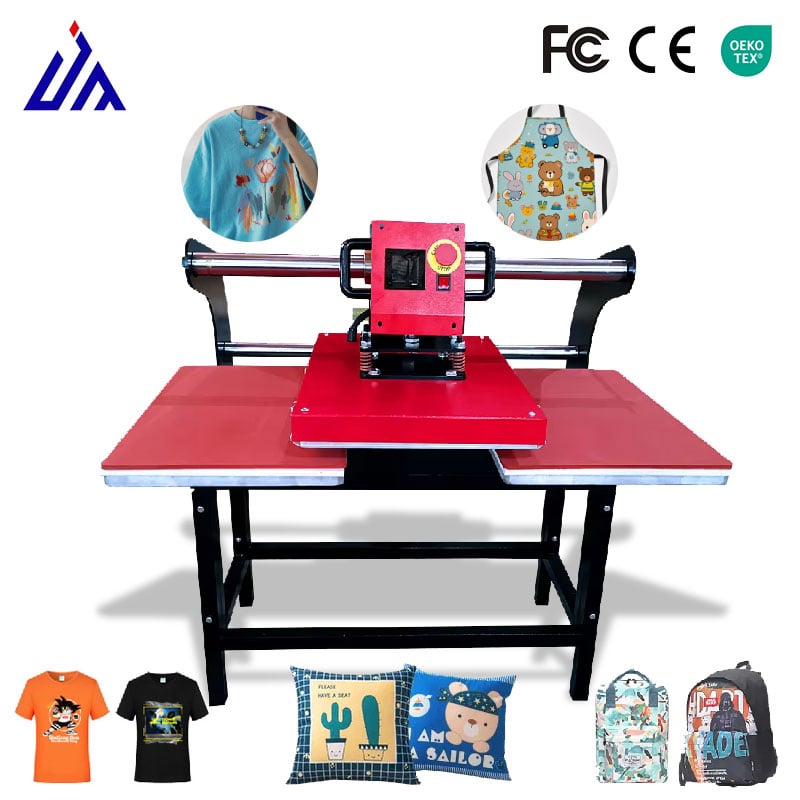
Å betjene en varmepressemaskin effektivt krever forståelse av både dets muligheter og vanlige fallgruver som kan ødelegge dine trykksaker. Uansett om du driver et kommersielt trykkselskap eller starter et hjemmebasert prosjekt hJEM -basert virksomhet, kan unngåelse av kritiske feil med varmepresmaskinen spare tid, penger og materialer samtidig som du sikrer konsekvente, profesjonelle resultater. Mange operatører, spesielt nybegynnere, havner i forutsigbare fallgruver som svekker overføringskvaliteten, skader underlaget eller reduserer utstyrets levetid. Å forstå disse vanlige feilene og implementere riktige teknikker vil forvandle drift av varmepresmaskin fra frustrerende prøving-og-feiling-opplevelser til effektive, lønnsomme arbeidsflyter.
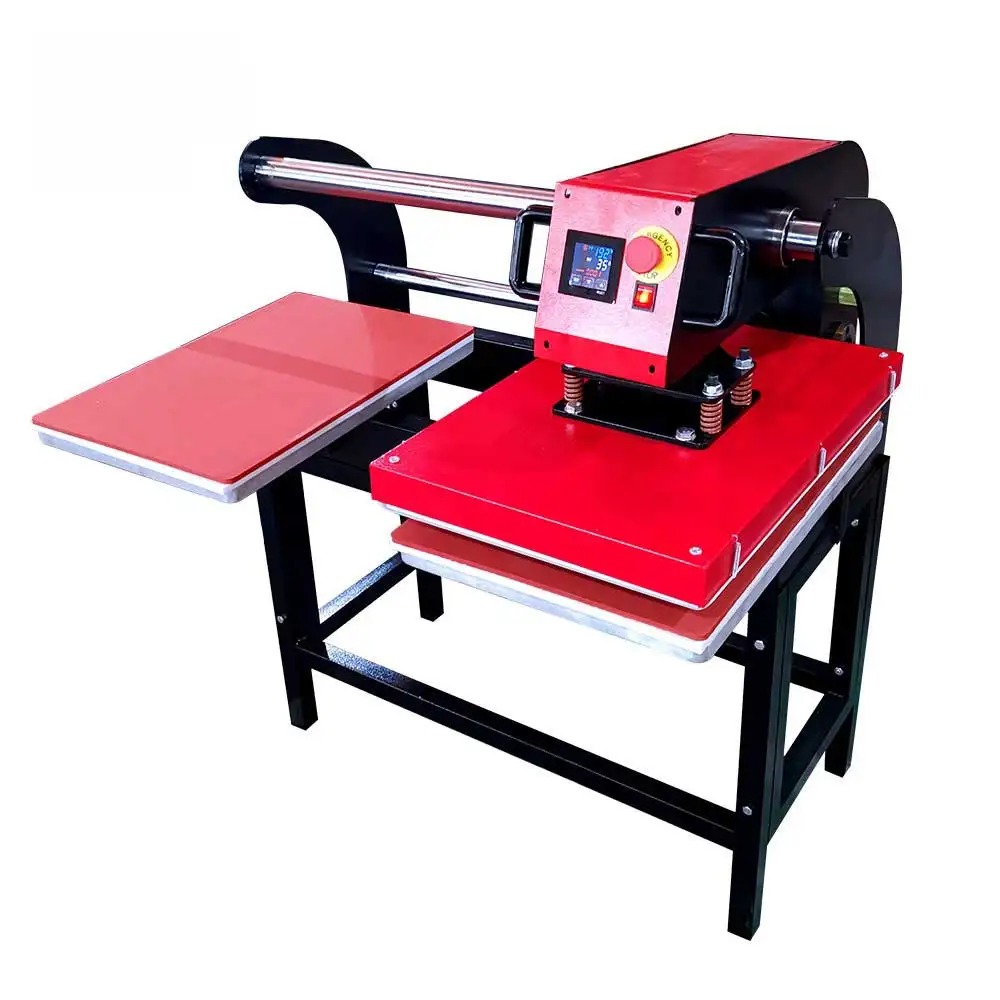
Grunnleggende temperaturregulering
Forstå krav spesifikke for materialer
Hver kombinasjon av underlag og overføringsmateriale krever nøyaktige temperaturinnstillinger på varmepresen din for å oppnå optimal vedhefting uten skade. Bomullstoffer krever vanligvis temperaturer mellom 350–375 °F, mens polyesterblandinger trenger lavere innstillinger på omtrent 300–320 °F for å unngå brening eller smelting. Vinyl-overføringer krever andre temperaturer enn sublimeringspapir, og bruk av feil innstillinger fører ofte til dårlig vedhefting, mislykket overføring eller skade på underlaget. Profesjonelle operatører holder nøyaktige temperaturskjemaer for ulike materialekombinasjoner og kalibrerer utstyret sitt regelmessig for å sikre nøyaktighet.
Temperaturinkonsekvens representerer et annet kritisk problem som påvirker overføringskvaliteten i produksjonsløp. Hettetrykksmaskiner krever tilstrekkelig oppvarmingstid for å nå stabile driftstemperaturer, og å skynde på denne prosessen fører til ujevn oppvarming og inkonsekvente resultater. Digitale temperaturvisninger kan vise måltemperaturen før selve platen har oppnådd jevnt varmefordeling. Gi minst 15–20 minutter til ordentlig termisk stabilisering, og vurder å investere i infrarødtermometre for å bekrefte faktiske platentemperaturer i ulike soner.
Unngå skader relatert til temperatur
For høye temperaturer forårsaker irreversibel skade på både underlag og overføringsmaterialer, noe som gjør temperaturregulering avgjørende for vellykkede operasjoner med varmtvalsemaskiner. Polyesterstoff er spesielt utsatt for varmeskader og viser ofte glinsende flekker, teksturforandringer eller fargeendringer når de utsettes for temperaturer over deres toleransegrenser. På samme måte kan vinyl-overføringer bli sprø eller misfarget ved overdreven varme, noe som fører til tidlig svikt og dårlig overflatekvalitet.
Utilstrekkelige temperaturinnstillinger skaper like problematiske utfall, selv om de ofte er mindre umiddelbart opplagte enn varmeskader. Utilstrekkelig temperatur hindrer ordentlig aktivering av lim i vinyl-overføringer, noe som resulterer i dårlig førstehengst som forverres over tid og ved vaskesykluser. Varmetransferpapir krever spesifikke temperaturtrøskler for å løsne ordentlig fra bærebrettene, og utilstrekkelig varme etterlater rester av papirfibre eller ufullstendig overføring. Regelmessig temperaturovervåking og underlagstesting hjelper operatører med å finne optimale innstillinger for deres spesifikke varmepresse og materialkombinasjoner.
Teknikker for trykkapplikasjon
Oppnå jevn trykkfordeling
Riktig trykkpåføring sikrer fullstendig kontakt mellom overføringsmaterialer og underlag over hele pressflateområdet på varmepressemaskinen. Ujevn trykkfordeling skaper varme soner der noen områder utsettes for overdreven kraft, mens andre mangler tilstrekkelig kontakt for riktig vedhefting. Denne inkonsistensen vises som flekkete overføringer, ufullstendig vedhefting langs kanter eller tidlig slitasje i høytrykksområder. Regelmessig inspeksjon og vedlikehold av platen hjelper til med å identifisere krumning, oppsamling av søppel eller mekaniske problemer som svekker trykkuniformiteten.
Variasjoner i substratets tykkelse krever justeringer av trykket for å opprettholde konstant kontakt over hele presseoverflaten. Tynne sømmer, lommer eller dekorative elementer skaper ujevne overflater som hindrer jevnt trykk under operasjoner med varmepressemaskin. Profesjonelle operatører bruker polstermaterialer, spesialiserte fikseringsmidler eller justerer trykkinnstillinger for å tilpasse seg disse variasjonene. Å overse forskjeller i tykkelse fører ofte til unøyaktige overføringer rundt forhøyede områder eller overdrevent trykk som skader tynnere deler av substratet.
Å gjenkjenne trykkrelaterte problemer
Utilstrekkelig trykk hindrer riktig aktivering av lim og gjennopptrenging i underlaget, noe som fører til overføringer som i utgangspunktet ser tilfredsstillende ut, men som svikter under bruk eller vasking. Varme- og pressemaskiner krever tilstrekkelig trykk for å presse lim inn i fibersammenbindingen i stoffet og skape mekaniske bindinger som tåler normal slitasje. Lavt trykk gir ofte overføringer som blar opp ved kantene først, og deretter gradvis svikter over hele designområdet. Å øke trykket trinnvis mens man overvåker kvaliteten på overføringen, hjelper operatører med å finne de optimale innstillingene for deres spesifikke anvendelser.
For høyt trykk fører til ulike, men likevel problematiske utfall i drift av varmepressemaskiner. For mye trykk kan presse ut limstoffer utover underlagets grenser, noe som skaper synlige konturer eller halor rundt overførte design. Høyt trykk komprimerer også stoffteksturer permanent, slik at de pressede områdene får et annet utseende eller følelse sammenlignet med omkringliggende materialer. Noen delikate underlag, spesielt syntetiske stoffer eller spesialtextiler, viser permanente avtrykk eller skader når de utsettes for for høyt trykk under varmepressing.
Tids- og varighetsstyring
Fastsettelse av optimale pressevarighet
Nøyaktig tidsstyring bestemmer overføringslykken mer enn noen annen enkeltfaktor i drift av varmepresmaskiner. Hvert overføringsmateriale og substratkombinasjon krever spesifikke varmetider for å oppnå riktig aktivering av limet uten å forårsake varmeskader eller nedbrytning. Vinyl-overføringer trenger vanligvis 10–15 sekunders presse tid, mens sublimeringsoverføringer kan kreve 45–60 sekunder avhengig av vekten på materialet og nivået av blekkmetning. Å skynde prosessen med kortere pressetid fører ofte til dårlig vedhefting, mens for lange varmetider kan føre til skader på underlaget eller nedbrytning av overføringsmaterialet.
Konsekvent tidtaking krever pålitelige målesystemer og operatørdisiplin for å unngå variasjoner som kan svekke overføringskvaliteten. Mange operatører av varmpresemaskiner stoler på mental telling eller anslag, noe som fører til betydelige variasjoner mellom produksjonsløp. Digitale nedtellingstimer med lydsignaler sikrer konsekvent pressetid og frigjør operatører til å fokusere på riktig plassering og trykkjustering. Profesjonelle operasjoner implementerer ofte standardiserte tidsprotokoller som tar hensyn til materialevariasjoner, omgivelsesforhold og utstyrs egenskaper.
Håndtering av flertrinnsprosesser
Komplekse overføringer som involverer flere farger, lag eller materialer krever nøyaktig avstemming for å oppnå profesjonelle resultater med varmepresen din. Hvert lag kan trenge ulike pressetider, temperaturer eller avkjølingsperioder mellom applikasjonene. Sublimasjonsprosesser krever ofte en initiell pressefor påføring av blekk, fulgt av avkjøling og til slutt en siste presse for å gjøre designet permanent. Å skynde seg mellom trinnene eller påføre etterfølgende lag før riktig avkjøling kan føre til fargeutblending, dårlig vedhefting eller skader på underlaget.
Kjølefaser mellom presseoperasjoner gjør at underlag og overføringsmaterialer kan stabilisere seg før de håndteres eller bearbeides videre. Noen materialer fortsetter kjemiske reaksjoner etter den første varmetilførselen og trenger tid for å nå endelig klebefesthet. Tidlig håndtering eller umiddelbar ompressing kan forstyrre disse prosessene og svekke kvaliteten på den endelige overføringen. Fagkyndige operatører inkluderer kontrollerte kjøleperioder i sine arbeidsflyter og motstår fristelsen til å skynde produksjonsplaner på bekostning av kvalitetsresultater.
Forberedelse og plassering av underlag
Krav til forbehandling
Riktig forberedelse av underlaget påvirker overføringshastighet og levetid betydelig ved bruk av varmepressemaskiner. Nye klær inneholder ofte rester fra produksjon, stivemidler eller fuktighet som kan forstyrre limbinding og overføring av trykk. Forhåndspressing av underlaget i 5–10 sekunder fjerner fuktighet og jevner ut vevsteksturen, og skaper optimale forhold for overføring. Dette innledende trinnet er spesielt viktig for naturlige fiberstoffer som holder på fuktighet, eller syntetiske blandingstoffer som kan inneholde kjemikalier fra produksjonsprosessen.
Forurensning fra oljer, støv eller håndteringsrester skaper usynlige barrierer som forhindrer ordentlig limfesting under varmepresseoperasjoner. Selv minimal forurensning kan forårsake lokaliserte festefeil som utvider seg over tid og brukssykluser. Profesjonelle operasjoner implementerer inspeksjon og rengjøringsprosedyrer for underlag for å sikre konsekvente startbetingelser for alle overføringer. Reine arbeidsmiljøer, riktig lagringspraksis og håndteringsprosedyrer minsker risikoen for forurensning og forbedrer overordnet overføringssuksessrate.
Nøyaktige plasseringsteknikker
Presis posisjonering bestemmer profesjonell utseende og kundetilfredshet ved bruk av varmepressemaskiner. Skjeve, eksentriske eller feiljusterte overføringer avslører umiddelbart amatørpreget arbeid og svekker den oppfattede kvaliteten, uavhengig av teknisk utførelse. Profesjonelle operatører bruker posisjoneringsguider, måleverktøy og justeringssystemer for å sikre konsekvent plassering gjennom hele produksjonsløpene. Disse verktøyene blir spesielt viktige ved komplekse design, flerfargetrykk eller i produksjonsmiljøer med høy volum der konsistens veier tyngre enn enkeltprefeksjon.
Overføringsposisjonering påvirker både estetiske resultater og funksjonell ytelse ved bruk av varmepressemaskiner. Dårlig plasserte overføringer kan forstyrre detaljer i klærkonstruksjon, strekksoner eller slitasjemønstre som svekker holdbarheten og komforten for brukeren. Overføringer plassert for nær sømmene svikter ofte tidlig på grunn av spenningskonsentrasjoner under normal bruk. Kunnskap om klærkonstruksjon og tenkt bruk hjelper operatører til å velge optimal plassering som balanserer estetisk uttrykk med krav til funksjonell ytelse.
Utstyrshold og kalibrering
Rutiner for vedlikehold
Regelmessig vedlikehold forlenger utstyrets levetid og sikrer pålitelig ytelse fra ditt varme Pressemaskin i løpet av krevende produksjonsrunder. Daglig rengjøring fjerner limrester, overføringsmaterialer og substratfibre som samler seg på presseflater og forstyrrer varmefordeling eller trykkanvendelse. Ukentlig vedlikehold inkluderer inspeksjon av varmelegemer, trykkmekanismer og kontrollsystemer for å identifisere slitasjemønstre eller ytelsesnedgang før de påvirker produksjonskvaliteten.
Preventivt vedlikehold reduserer uventet nedetid og sikrer konsekvent overføringskvalitet i lange produksjonsrunder. Varmelegemer må undersøkes periodisk for varmebilder, ujevn oppvarming eller temperaturvariasjoner som svekker overføringskonsistensen. Trykksystemer må kalibreres regelmessig for å sikre jevnt kraftfordeling over presseflatene. Faglige operatører fører detaljerte vedlikeholdslogger som sporer ytelsestrender, identifiserer gjentakende problemer og planlegger utskifting av komponenter før feil inntreffer.
Kalibrering og ytelsesovervåking
Regelmessig kalibrering sikrer at varmepresen din beholder nøyaktige temperatur- og trykkinnstillinger gjennom hele sin levetid. Temperaturreglere kan avvike over tid på grunn av sensoraldring, elektriske variasjoner eller miljøfaktorer som påvirker målenøyaktighet. Månedlige kalibreringssjekk ved bruk av uavhengige temperaturmålingsverktøy hjelper med å identifisere og korrigere disse variasjonene før de påvirker produksjonskvaliteten. Profesjonelle virksomheter har ofte reservemåleutstyr og etablerer kalibreringsskjema basert på produksjonsvolum og kvalitetskrav.
Ytelsesovervåkning avdekker gradvis forverring som ellers kan gå ubemerket fram til alvorlige kvalitetsproblemer oppstår. Systematisk testing ved bruk av standardmaterialer og innstillinger skaper grunnleggende ytelsesdata som hjelper til med å identifisere trender eller plutselige endringer i varmpressemaskinens drift. Disse testene avdekker problemer som ujevn oppvarming, trykkvariasjoner eller ustabile tidsinnstillinger som påvirker overføringskvaliteten, men som ikke nødvendigvis er umiddelbart synlige under normal produksjon.
Ofte stilte spørsmål
Hvilken temperatur skal jeg bruke for ulike typer stoff i varmpressemaskinen?
Tyrkiske stoffer krever vanligvis temperaturer mellom 350–375 °F, mens polyester og syntetiske blandinger presterer best ved 300–320 °F for å unngå varmeskader. Test alltid nye materialkombinasjoner med små prøver før du starter full produksjon, da behandling av stoff og overføringsmaterialer kan påvirke optimale temperaturinnstillinger. Hold føre nøye temperaturskjema for din spesifikke varmpresse og materialkombinasjoner for å sikre konsekvent resultat gjennom produksjonspartier.
Hvordan vet jeg om jeg bruker riktig trykk under varmpressing?
Riktig trykk bør skape fast, jevnt kontakt over hele overføringsoverflaten uten å forårsake skade på underlaget eller overdreven komprimering. Du bør se svak avtrykking av vev rundt kantene på overføringen uten permanente teksturforandringer eller synlige trykkmerker. Test forskjellige trykkinnstillinger på prøvematerialer og observer overføringens vedherding, utseendet på underlaget og langsiktig holdbarhet for å finne de optimale innstillingene for din varmepresse og spesifikke anvendelser.
Hvorfor mislykkes mine overføringer etter vasking selv om de ser bra ut i begynnelsen?
Overføringsfeil etter vasking indikerer vanligvis utilstrekkelig temperatur, trykk eller tid under den første overføringsprosessen. Utilstrekkelig varme hindrer fullstendig aktivering av limet, mens for lite trykk eller tid hindrer en ordentlig binding til underlagets fiber. Sørg for at varmpresen oppnår stabil driftstemperatur, bruk jevnt trykk over hele overføringsflaten, og følg produsentens anbefalinger for varighet basert på dine spesifikke overføringsmaterialer og underlag.
Hvor ofte bør jeg kalibrere varmpresen for nøyaktig drift?
Profesjonelle operasjoner kalibrerer vanligvis temperatur- og trykkinnstillinger månedlig eller etter hver 500–1000 produksjonssyklus, avhengig av bruksintensitet og kvalitetskrav. Ofte kalibrering kan være nødvendig i miljøer med høy produksjonsvolum eller når man jobber med krevende applikasjoner. Bruk uavhengige verktøy for temperaturmåling og standard testmaterialer for å bekrefte at varmpresen din opprettholder nøyaktige innstillinger, og føre kalibreringslogger for å spore ytelsesendringer over tid.