
 EN
EN
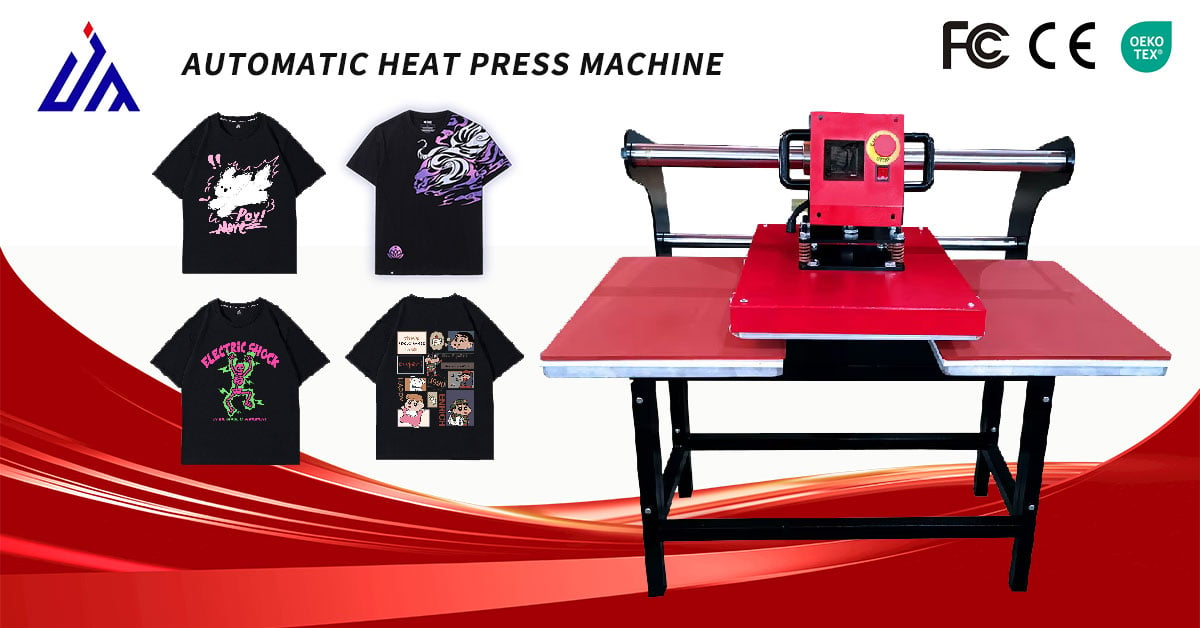
Operațiunile moderne de serigrafie se bazează în mod esențial pe sisteme eficiente de uscare pentru a asigura o calitate și productivitate constante. Un uscător tunel pentru serigrafie reprezintă una dintre cele mai importante investiții pentru orice afacere de imprimare, oferind o distribuție controlată a căldurii și posibilități de procesare continuă. Aceste sisteme industriale de uscare au evoluat semnificativ în ultimul deceniu, incorporând mecanisme avansate de control al temperaturii, designuri eficiente din punct de vedere energetic și interfețe prietenoase care facilitează fluxurile de producție.
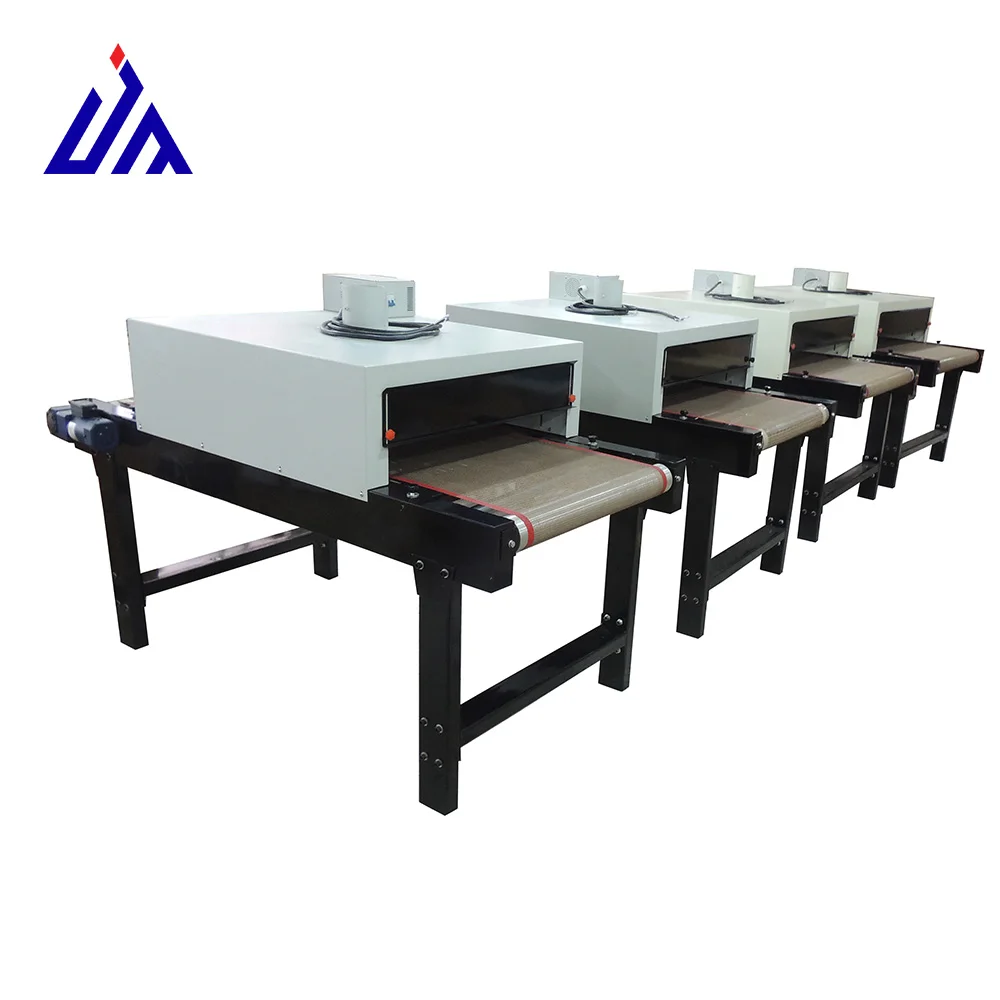
Importanța alegerii uscătorului corect de tip tunel pentru serigrafie nu poate fi supraestimată, deoarece aceasta influențează direct calitatea imprimării, viteza de producție și costurile operaționale generale. Producătorii de astăzi se confruntă cu cerințe din ce în ce mai mari privind timpii mai rapizi de livrare, menținând în același timp o calitate superioară a imprimării pe diverse suporturi. Înțelegerea caracteristicilor și capacităților cheie ale uscătoarelor moderne de tip tunel permite companiilor să ia decizii informate, aliniate cerințelor specifice de producție și limitelor bugetare.
Sisteme avansate de control al temperaturii
Tehnologie de încălzire precisă
Modelele contemporane de uscătoare de tip tunel pentru serigrafie incorporează elemente de încălzire sofisticate care asigură o distribuție uniformă a temperaturii în întreaga cameră de uscare. Aceste sisteme utilizează panouri de încălzire cu infraroșu sau circulație forțată a aerului pentru a garanta o expunere constantă la căldură în întreaga zonă imprimată. Precizia controlului temperaturii afectează direct calitatea de curățare a cernelurilor, prevenind probleme precum uscarea incompletă sau supraîncălzirea, care pot deteriora materialele imprimate.
Controlerele digitale de temperatură oferă funcții de monitorizare și reglare în timp real, permițând operatorilor să mențină condiții optime de uscare pentru diferite tipuri de cerneală și materiale suport. Modelele avansate dispun de mai multe zone de încălzire cu control independent al temperaturii, permițând crearea unor profiluri personalizate de uscare pentru aplicații complexe de imprimare. Acest nivel de control asigură ca fiecare piesă imprimată să primească cantitatea exactă de energie termică necesară pentru o adeziune corectă a cernelii și durabilitatea acesteia.
Caracteristici de eficiență energetică
Sistemele moderne de uscătoare în tunel pentru serigrafie prioritizează conservarea energiei prin utilizarea unor materiale inovatoare de izolație și mecanisme de recuperare a căldurii. Izolația de înaltă calitate reduce pierderile de căldură, menținând temperaturi interne constante și minimizând consumul de energie. Unele modele includ schimbătoare de căldură care captează și recirculă aerul cald, reducând astfel costurile operaționale și impactul asupra mediului.
Acționările cu viteză variabilă și sistemele inteligente de control ajustează automat intensitatea încălzirii în funcție de cerințele producției și de condițiile ambientale. Aceste caracteristici nu doar reduc consumul de energie, ci prelungesc și durata de viață a elementelor de încălzire și a altor componente critice. Tunelurile uscatoare eficiente din punct de vedere energetic pot reduce semnificativ costurile operaționale pe termen lung, sprijinind în același timp inițiativele de sustenabilitate din instalațiile de imprimare.
Inovație în sistemul de transport
Tehnologia și materialele benzii transportoare
Sistemul de transport constituie baza oricărui uscător tunel eficient pentru imprimarea serigrafică, determinând atât viteza de procesare, cât și calitatea manipulării produselor. Benzile transportoare moderne utilizează materiale specializate care rezistă la temperaturi ridicate, oferind în același timp o mișcare lină și constantă a articolelor imprimate. Benzile cu coating din Teflon oferă o rezistență excelentă la căldură și proprietăți de curățare ușoară, esențiale pentru menținerea standardelor de igienă în mediile de producție.
Controlul vitezei variabile permite operatorilor să ajusteze vitezele de procesare în funcție de cerințele specifice ale vopselei și de programul de producție. Reglarea precisă a vitezei asigură un timp optim de uscare pentru diferite aplicații de imprimare, prevenind atât rezultatele sub-ciclate, cât și cele prea mult procesate. Sistemele avansate de transport includ, de asemenea, mecanisme de reglare a tensiunii curelei care mențin alinierea corespunzătoare și reduc uzura în perioade lungi de funcționare.
Mecanisme de încărcare și descărcare
Capacitățile eficiente de manipulare a materialelor diferențiază sistemele profesionale de uscătoare în tunel pentru serigrafie de modelele de bază. Funcțiile automate de încărcare și descărcare reduc necesarul de muncă manuală și îmbunătățesc consistența producției. Unele sisteme incorporează mecanisme acționate pneumatic sau cu servomotoare care poziționează precis materialele imprimate pentru o expunere optimă la uscare.
Secțiunile de transport reglabile în înălțime se adaptează la diverse grosimi ale produselor și tipuri de suport, de la materiale subțiri din hârtie până la produse textile groase. Aceste caracteristici de reglare asigură un spațiu adecvat și o expunere corectă la căldură, indiferent de aplicația specifică de imprimare. Sistemele moderne de alimentare includ, de asemenea, blocări de siguranță și opriri de urgență care protejează atât echipamentul, cât și operatorii în timpul operațiunilor de producție.
Interfață de control și automatizare
Panouri de control digital
Interfețele ușor de utilizat au devenit caracteristici standard în sistemele moderne uscată Tunel de Imprimare pe Ecran afișajele cu ecran tactil oferă parametri operaționali în timp real, inclusiv temperaturi, viteza benzi transportoare și contoare de producție. Aceste interfețe simplifică operarea sistemului, reducând în același timp perioada de învățare pentru noii operatori.
Funcțiile programabile de memorie permit stocarea mai multor profile de uscare pentru diferite tipuri de cerneală și combinații de suporturi. Operatorii pot comuta rapid între configurațiile prestabilite, asigurând rezultate constante în diversele serii de producție. Sistemele avansate de control dispun, de asemenea, de funcții de înregistrare a datelor care urmăresc indicatorii de producție și programele de întreținere, sprijinind programele de asigurare a calității și întreținerea preventivă.
Capacități de Monitorizare de la Distanță
Conectivitatea Industrial Internet of Things permite monitorizarea și controlul la distanță al operațiunilor de uscare în tunel pentru imprimarea prin serigrafie prin aplicații pentru smartphone sau interfețe computerizate. Aceste funcționalități permit managerilor de producție să monitorizeze simultan mai multe mașini, primind notificări privind abaterile de temperatură, necesitățile de întreținere sau defecțiunile sistemului. Funcțiile de acces la distanță sunt deosebit de valoroase pentru instalațiile care operează pe mai multe ture sau perioade de producție neîntrerupte.
Sistemele de stocare a datelor în cloud păstrează istoricul operațiunilor și analitica performanței, sprijinind inițiativele de îmbunătățire continuă și cerințele de conformitate reglementară. Algoritmii de întreținere predictivă analizează modelele de funcționare pentru a identifica eventualele probleme înainte ca acestea să provoace perturbări în producție. Aceste caracteristici inteligente transformă echipamentele tradiționale de uscare în active de producție conectate, care contribuie la eficiența generală a instalației.
Caracteristici de siguranță și conformitate
Sisteme de Suprimare a Incendiilor
Considerentele de siguranță joacă un rol esențial în proiectarea modernă a uscatoarelor tunel pentru serigrafie, sistemele integrate de stingere a incendiilor oferind protecție esențială împotriva incidentelor legate de căldură. Sistemele automate de sprinklere sau mecanismele de supresie bazate pe gaze se activează atunci când senzorii de temperatură detectează condiții anormale. Aceste caracteristici de siguranță protejează atât investițiile în echipamente, cât și personalul din instalație, asigurând în același timp conformitatea cu reglementările industriale de siguranță.
Procedurile de oprire de urgență includ mai multe sisteme redundante care opresc imediat operațiunile și activează sistemele de ventilare în caz de urgență. Sistemele de monitorizare a temperaturii urmăresc în mod continuu zonele critice și declanșează alarma atunci când valorile depășesc parametrii siguri. Testarea periodică și întreținerea sistemelor de siguranță asigură un funcționament fiabil pe toată durata de viață a echipamentului.
Gestionarea ventilării și a evacuării
Sistemele corespunzătoare de ventilare elimină vaporii de solvent și căldura generați în timpul procesului de uscare, menținând condiții sigure de lucru și prevenind acumularea de emisii potențial periculoase. Instalațiile moderne de uscătoare în tunel pentru serigrafie includ ventilatoare puternice de evacuare și canale proiectate pentru a capta emisiile la sursă. Aceste sisteme includ adesea componente de filtrare care elimină particulele și vaporii chimici înainte de eliberarea aerului în mediul înconjurător.
Sistemele de aer proaspăt înlocuiesc aerul evacuat cu aer proaspăt condiționat, menținând presiunea și temperaturile corespunzătoare în incintă. Controale automate ale clapetelor reglează ratele de ventilare în funcție de nivelurile de producție și condițiile ambientale, optimizând eficiența energetică, asigurând totodată o calitate adecvată a aerului. Conformitatea cu reglementările locale privind mediu necesită o atenție deosebită sistemelor de control al emisiilor și gestionării calității aerului.
メンテナンスとサービス可能性
Funcții de Mentenanță Preventivă
Considerentele de proiectare pentru acces facil la întreținere diferențiază sistemele de uscare în tunel pentru serigrafie de calitate superioară de alternativele mai puțin sofisticate. Panourile demontabile și ușile de acces oferă tehnicienilor acces convenabil la elementele de încălzire, componente ale transportorului și sistemele de control. Fixările standardizate și proiectarea modulară a componentelor simplifică procedurile de întreținere curentă și reduc timpul de staționare.
Sistemele integrate de diagnosticare monitorizează performanța componentelor și avertizează operatorii cu privire la eventualele nevoi de întreținere înainte ca defecțiunile să apară. Indicatoarele de schimbare a filtrelor, senzorii de uzură a curelelor și sistemele de monitorizare a elementelor de încălzire contribuie la menținerea unei performanțe optime, prevenind în același timp defectările neașteptate. Manuale complete de întreținere și resurse video sprijină capacitățile interne de întreținere, reducând dependența de furnizorii externi de servicii.
Accesibilitatea și înlocuirea componentelor
Amplasarea strategică a componentelor asigură faptul că elementele care necesită întreținere frecventă rămân ușor accesibile, fără a necesita proceduri extinse de dezmembrare. Conexiunile electrice rapide și sistemele standardizate de montare facilitează înlocuirea rapidă a componentelor în timpul perioadelor planificate de întreținere. Mulți producători de uscatoare tunel pentru serigrafie oferă asistență cuprinzătoare privind piesele de schimb și asistență tehnică pentru a minimiza perturbările în funcționare.
Abordările modulare permit actualizări incrementale și extensii ale capacității fără a înlocui întregi sisteme. Această flexibilitate permite afacerilor să-și adapteze capacitățile de uscare pe măsură ce cerințele de producție evoluează în timp. Standardizarea componentelor în cadrul liniilor de produse reduce, de asemenea, necesarul de inventar și simplifică programele de formare pentru tehnicieni.
Întrebări frecvente
Ce factori ar trebui să iau în considerare la alegerea dimensiunii unui uscător tunel pentru serigrafie?
Dimensiunea potrivită pentru un uscător tunel de serigrafie depinde de mai mulți factori, inclusiv dimensiunile maxime ale suportului, volumul necesar de producție și spațiul disponibil pe podea. Luați în considerare cele mai mari articole pe care intenționați să le procesați și adăugați spațiu suplimentar pentru o circulație corespunzătoare a aerului. Volumul de producție determină lungimea necesară a benzii transportoare și capacitatea de viteză de procesare, în timp ce limitările instalației pot restricționa dimensiunile generale ale echipamentului și cerințele utilităților.
Cât de des trebuie înlocuiți elementii de încălzire într-un sistem de uscător tunel?
Intervalele de înlocuire a elementelor de încălzire variază în funcție de intensitatea utilizării, temperaturile de funcționare și practicile de întreținere. În mod tipic, elementele de încălzire cu infraroșu au o durată de viață între 8.000 și 15.000 de ore de funcționare în condiții normale. Curățarea regulată și controlul corespunzător al temperaturii prelungesc durata de viață a elementelor, în timp ce temperaturile excesive sau contaminarea pot reduce semnificativ durata de funcționare. Monitorizați performanța elementelor prin profilarea regulată a temperaturii și înlocuiți elementele care prezintă o eficiență redusă.
Ce certificate de siguranță ar trebui să caut la un uscător tunel pentru serigrafie?
Certificările esențiale de siguranță includ listarea UL (Underwriters Laboratories) pentru siguranța electrică, marcajul CE pentru conformitatea europeană și aprobările locale ale pompierilor, acolo unde este cazul. Echipamentele industriale trebuie să respecte standardele NFPA (Asociația Națională pentru Protecția împotriva Incendiilor) și cerințele OSHA privind siguranța în locul de muncă. Verificați dacă sistemele de evacuare și ventilație respectă reglementările locale privind mediu și codurile de construcții specifice locației dvs. de instalare.
Pot uscătoarele moderne în tunel gestiona diferite tipuri de cerneală și suporturi?
Da, sistemele moderne de uscare în tunel pentru imprimarea serigrafică acceptă diverse tipuri de cerneală, inclusiv cerneluri pe bază de apă, plastisol și cerneluri curabile UV, prin profile ajustabile de temperatură și viteze ale benzii transportoare. Diferitele materiale suport necesită parametri specifici de uscare, pe care sistemele moderne îi oferă prin controlere programabile și zone multiple de încălzire. Consultați specificațiile producătorului de cerneală și efectuați rulaje de testare pentru a optimiza setările în funcție de combinațiile specifice de materiale din mediul dumneavoastră de producție.
Cuprins
- Sisteme avansate de control al temperaturii
- Inovație în sistemul de transport
- Interfață de control și automatizare
- Caracteristici de siguranță și conformitate
- メンテナンスとサービス可能性
-
Întrebări frecvente
- Ce factori ar trebui să iau în considerare la alegerea dimensiunii unui uscător tunel pentru serigrafie?
- Cât de des trebuie înlocuiți elementii de încălzire într-un sistem de uscător tunel?
- Ce certificate de siguranță ar trebui să caut la un uscător tunel pentru serigrafie?
- Pot uscătoarele moderne în tunel gestiona diferite tipuri de cerneală și suporturi?