
 EN
EN
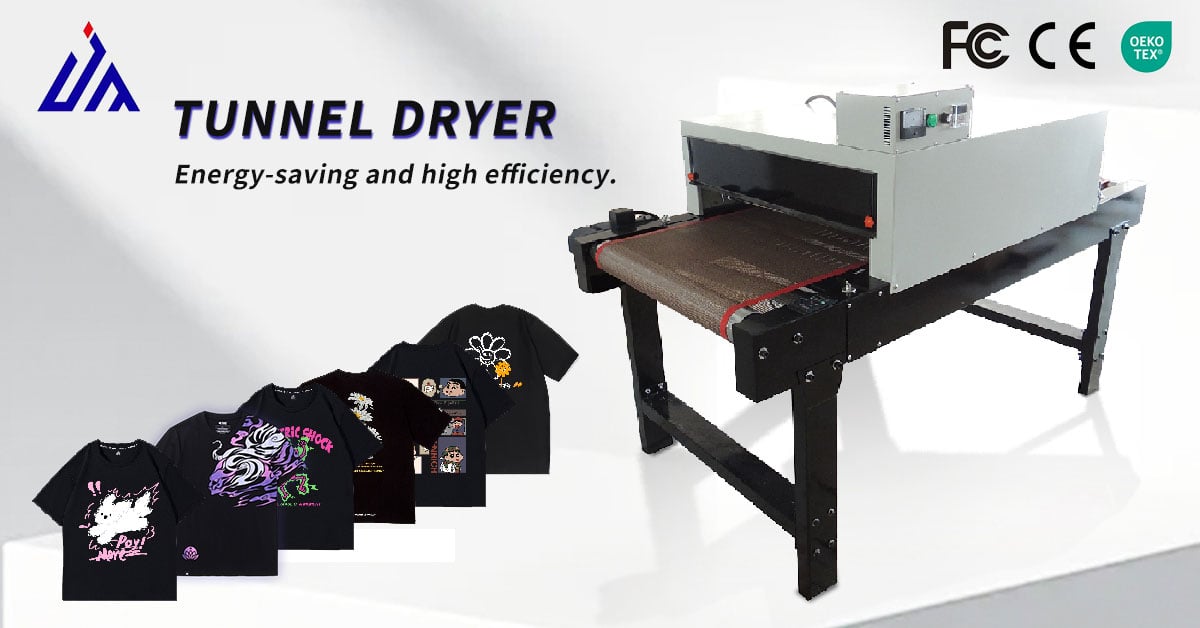
Современные предприятия пищевой промышленности все чаще полагаются на передовые технологии сушки для поддержания качества продукции и максимальной эффективности. Среди этих инноваций туннельная сушилка выделяется как прорывное решение, которое меняет подход производителей к удалению влаги и отделке продукции. Это сложное оборудование сочетает управляемый воздушный поток, точную регулировку температуры и непрерывную работу, обеспечивая стабильные результаты в различных областях пищевой промышленности.
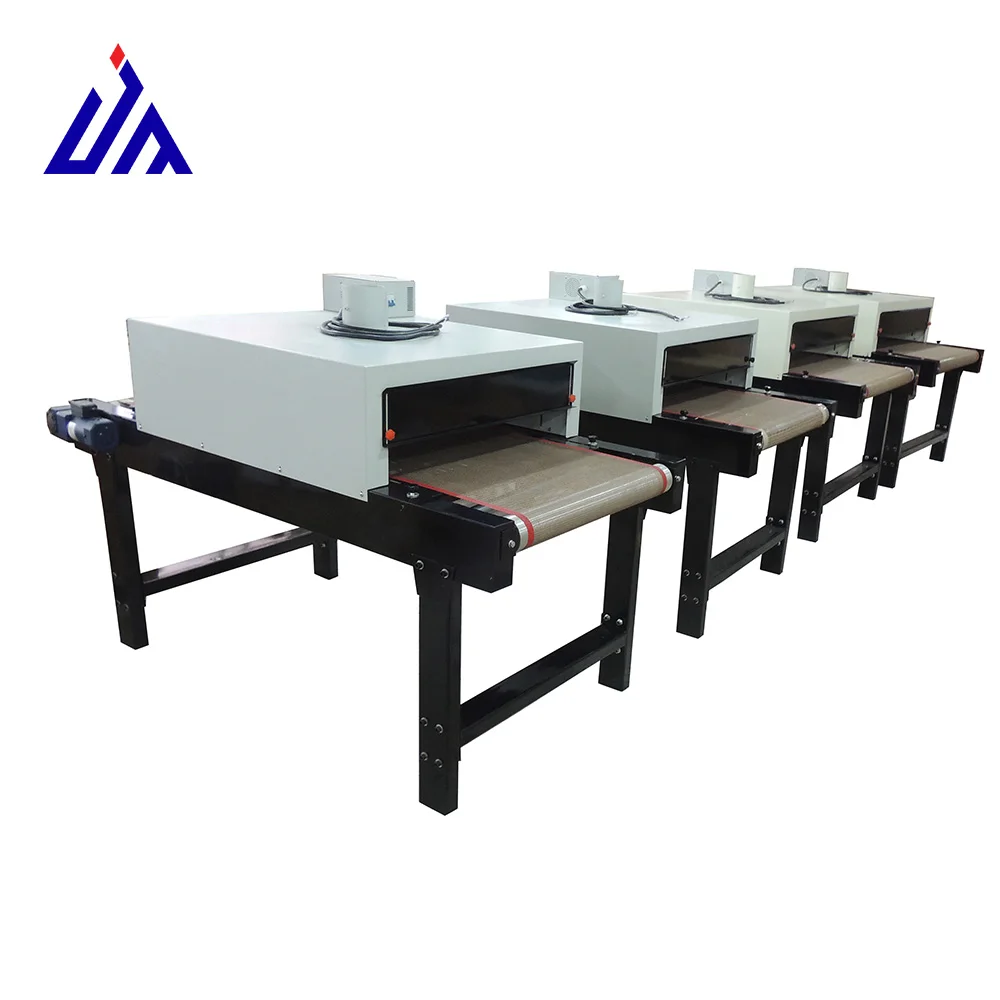
Эволюция технологий сушки достигла новых высот благодаря современным туннельным сушильным системам, которые обеспечивают беспрецедентный контроль над параметрами процесса. Эти системы позволяют производителям достигать оптимального уровня влажности, сохраняя при этом питательную ценность, текстуру и вкусовые качества, требуемые потребителями. По мере ужесточения нормативов по безопасности пищевых продуктов и усиления рыночной конкуренции инвестиции в надежную инфраструктуру сушки становятся необходимыми для устойчивого развития бизнеса.
Понимание технологии туннельных сушилок и их основных компонентов
Механизмы теплопередачи в современных системах
Современные конструкции туннельных сушилок включают несколько механизмов теплопередачи для оптимизации эффективности сушки. Конвективная теплопередача осуществляется за счёт тщательно контролируемых режимов циркуляции воздуха, обеспечивающих равномерное удаление влаги с поверхностей продукта. Излучающие нагревательные элементы обеспечивают целенаправленную подачу энергии в определённые зоны сушильной камеры, что позволяет операторам настраивать температурные профили в зависимости от требований к продукту.
Интеграция инфракрасной технологии нагрева представляет собой значительный прогресс в работе туннельных сушилок. Инфракрасные элементы проникают в поверхность продукта более эффективно, чем традиционные методы нагрева, сокращая время обработки и сохраняя целостность продукта. Эта технология особенно ценна при обработке деликатных изделий, которым требуется бережное, но тщательное удаление влаги.
Системы контроля воздушного потока и вентиляции
Точное управление воздушным потоком лежит в основе эффективной работы туннельных сушилок. Продвинутые системы используют вентиляторы с переменной скоростью и регулируемые заслонки для создания оптимальных режимов циркуляции воздуха по всей камере сушки. Эти компоненты работают совместно, устраняя участки с повышенной температурой и обеспечивая равномерное распределение тепла по всей зоне обработки.
Современные системы вентиляции оснащены сложными механизмами фильтрации, которые поддерживают качество воздуха и предотвращают загрязнение. Фильтры HEPA удаляют частицы, находящиеся в воздухе, а фильтры с активированным углём устраняют запахи и летучие соединения. Такой комплексный подход к управлению воздухом обеспечивает безопасность продукции и сохраняет эффективность процесса.
Эксплуатационные преимущества систем непрерывной обработки
Повышенная производственная эффективность и пропускная способность
Системы туннельной сушки отлично подходят для производств с высоким объемом выпускаемой продукции, где критически важна стабильная производительность. В отличие от оборудования периодического действия, эти непрерывные системы обеспечивают постоянный поток без простоев, связанных с циклами загрузки и выгрузки. Это эксплуатационное преимущество напрямую способствует повышению производительности и снижению трудозатрат на производственных предприятиях.
Конвейерная конструкция позволяет легко интегрировать систему с оборудованием предшествующих и последующих этапов производства. Продукция плавно перемещается от станций подготовки через сушильную камеру к операциям упаковки, формируя эффективную производственную линию, минимизирующую ручное вмешательство и возможные точки загрязнения. Такой оптимизированный подход снижает вероятность технологических заторов и обеспечивает соблюдение стандартов качества продукции.
Постоянный контроль и мониторинг качества
Современные системы мониторинга обеспечивают сбор данных в реальном времени о температуре, влажности и условиях воздушного потока по всему процессу сушки туннельный сушильный аппарат зона обработки. Эти цифровые элементы управления позволяют операторам поддерживать точные параметры обработки и быстро выявлять любые отклонения от оптимальных условий. Автоматизированные системы оповещения уведомляют персонал о потенциальных проблемах до того, как они повлияют на качество продукции, предотвращая дорогостоящую порчу партий.
Возможности регистрации данных обеспечивают полное документирование процессов, что поддерживает программы обеспечения качества и соответствие нормативным требованиям. Анализ исторических данных помогает выявить возможности для оптимизации и способствует инициативам непрерывного совершенствования. Такая документация оказывается бесценной при проведении проверок и сертификации, демонстрируя стабильное соблюдение установленных стандартов качества.
Энергоэффективность и экологические аспекты
Рекуперация тепла и тепловое управление
Современные установки тоннельной сушки оснащены сложными системами рекуперации тепла, которые улавливают избыточное тепло и возвращают его обратно в технологический цикл. Эти системы значительно снижают энергопотребление, сохраняя оптимальную эффективность сушки. Теплообменники извлекают тепловую энергию из вытяжных воздушных потоков и используют её для предварительного нагрева поступающего свежего воздуха, создавая замкнутую систему, которая максимизирует использование энергии.
Улучшения теплоизоляции и технологии тепловых барьеров минимизируют потери тепла в окружающую среду. Применение передовых материалов и строительных технологий обеспечивает высокую эффективность тепловых ограждений, что снижает потребность в энергии при одновременном поддержании стабильных внутренних условий. Эти усовершенствования способствуют снижению эксплуатационных расходов и уменьшению воздействия на окружающую среду на протяжении всего жизненного цикла объекта.
Устойчивое развитие и сохранение ресурсов
Экологическая ответственность стимулирует многие инновации в конструкции тоннельных сушилок, при этом производители уделяют внимание снижению потребления ресурсов и объёмов отходов. Системы рециркуляции воды собирают конденсат от процесса сушки и очищают его для повторного использования в технологических операциях предприятия. Такой подход позволяет сохранять запасы пресной воды и сокращает объёмы сброса сточных вод.
Интеграция с возобновляемыми источниками энергии становится всё более осуществимой по мере совершенствования солнечных и ветровых технологий. Тоннельные сушильные системы могут эффективно использовать прерывистые источники возобновляемой энергии благодаря системам теплового аккумулирования, которые поддерживают стабильные условия обработки даже при колебаниях выработки энергии из возобновляемых источников. Такая гибкость способствует достижению корпоративных целей устойчивого развития и снижает долгосрочные затраты на энергию.
Универсальность применения в различных секторах пищевой промышленности
Применение в переработке фруктов и овощей
Технология туннельной сушки отлично подходит для операций по переработке фруктов и овощей, где требуется бережное удаление влаги с сохранением питательных веществ. Контролируемая среда предотвращает окисление и ухудшение цвета, которые часто возникают при традиционных методах сушки. Регулировка температуры и воздушного потока позволяет адаптироваться к различной плотности продуктов и содержанию влаги, обеспечивая оптимальные результаты для самых разных видов культур.
Специализированные конфигурации предназначены для обработки сложных продуктов, таких как листовые овощи и деликатные фрукты, требующие аккуратного обращения в процессе переработки. Регулируемая скорость конвейера позволяет операторам настраивать время пребывания продукта в зависимости от его характеристик и требуемого конечного уровня влажности. Такая гибкость даёт возможность переработчикам оптимизировать качество продукции, сохраняя высокую эффективность производства.
Переработка белковой и мясной продукции
Объекты по переработке мяса используют тоннельные сушильные системы для производства джерки, сухих колбас и других продуктов, богатых белком, которым требуется контролируемое обезвоживание. Точное регулирование температуры и влажности предотвращает рост бактерий и обеспечивает требуемый уровень влажности для увеличения срока хранения. Единообразные условия обработки гарантируют стабильную текстуру и равномерное формирование вкуса в разных партиях продукции.
Требования к пищевой безопасности определяют многие конструктивные особенности оборудования для переработки мяса, включая поверхности, удобные для очистки, и материалы, отвечающие санитарным нормам. Конструкции из нержавеющей стали устойчивы к коррозии и обеспечивают возможность тщательной очистки, необходимой в средах переработки белков. Съёмные компоненты позволяют проводить глубокую очистку и техническое обслуживание, что способствует поддержанию гигиенических условий.
Экономическое воздействие и возврат инвестиций
Анализ эксплуатационных расходов и экономия
Инвестиции в технологию туннельных сушилок позволяют достичь измеримой экономии за счёт снижения потребности в рабочей силе и повышения энергоэффективности. Автоматизированная работа минимизирует потребность в персонале, а стабильный процесс исключает потери из-за вариаций продукции и проблем с качеством. Эти операционные улучшения, как правило, приводят к значительному снижению затрат, что способствует благоприятным показателям рентабельности инвестиций.
Эксплуатационные расходы остаются предсказуемо низкими благодаря прочной конструкции и удобному доступу к компонентам. Программы профилактического обслуживания продлевают срок службы оборудования и сводят к минимуму незапланированные простои, нарушающие производственные графики. Надёжность современных систем туннельных сушилок способствует стабильности эксплуатационных расходов и предсказуемости бюджетов на техническое обслуживание.
Позиционирование на рынке и конкурентные преимущества
Предприятия, оснащённые передовыми системами тоннельных сушилок, могут выходить на премиальные сегменты рынка, где требуется стабильное качество и специализированные возможности обработки. Способность поддерживать точные условия обработки позволяет производителям разрабатывать уникальные продукты, которые реализуются по более высоким ценам и обеспечивают более сильную приверженность клиентов. Такая рыночная позиция формирует премиальную выручку, оправдывающую инвестиции в оборудование.
Высокая производительность позволяет производителям быстро реагировать на рыночные возможности и колебания спроса в зависимости от сезона. Масштабируемость процессов сушки в тоннельных сушилках поддерживает рост бизнеса без пропорционального увеличения численности персонала или производственных площадей. Эта операционная гибкость обеспечивает конкурентные преимущества в динамичных рыночных условиях, где успех определяется скоростью реакции.
Перспективные разработки и тенденции в отрасли
Интеграция умного производства
Технологии Индустрии 4.0 трансформируют работу тоннельных сушилок благодаря использованию передовых датчиков, искусственного интеллекта и предиктивной аналитики. Алгоритмы машинного обучения анализируют данные процессов для автоматической оптимизации параметров и прогнозирования потребностей в техническом обслуживании до возникновения неисправностей оборудования. Эти интеллектуальные системы снижают нагрузку на операторов, одновременно повышая общую производительность и надежность системы.
Возможности удалённого мониторинга обеспечивают централизованный контроль нескольких производственных объектов, позволяя опытным операторам эффективно управлять распределёнными операциями. Платформы на основе облачных данных предоставляют актуальную информацию о работе систем и позволяют быстро реагировать на технологические проблемы. Такая подключённость способствует принципам бережливого производства, сохраняя высокие стандарты качества на всех площадках.
Передовые материалы и инновации в строительстве
Исследования в области передовых материалов продолжают улучшать производительность и долговечность туннельных сушилок. Керамические нагревательные элементы обеспечивают превосходное температурное равномерность и более длительный срок службы по сравнению с традиционными металлическими элементами. Композитные материалы обеспечивают повышенную стойкость к коррозии и улучшенные тепловые свойства, которые повышают эффективность системы и снижают потребность в обслуживании.
Модульные подходы к конструкции позволяют гибко настраивать конфигурации систем в соответствии с изменяющимися производственными требованиями. Стандартизированные компоненты способствуют быстрой установке и будущему расширению, одновременно снижая риски капитальных вложений. Эта философия проектирования поддерживает масштабируемые производственные стратегии, учитывающие рост бизнеса и развитие рынка.
ЧаВО
Какие факторы определяют оптимальный размер туннельной сушилки для предприятия по переработке пищевых продуктов
Выбор подходящего размера туннельного сушильного оборудования зависит от нескольких ключевых факторов, включая требуемую производственную мощность, доступную площадь помещения, характеристики продукта и технологические требования. Расчёты производственной мощности должны учитывать периоды пиковой нагрузки и прогнозы будущего роста, чтобы обеспечить достаточную производительность системы. Плотность продукта, содержание влаги и необходимое время пребывания напрямую влияют на длину конвейера и габаритные размеры камеры, необходимые для эффективной обработки.
Как технология туннельных сушилок сравнивается с методами периодической сушки с точки зрения эффективности
Системы туннельных сушилок, как правило, демонстрируют более высокую эффективность по сравнению с периодическими методами благодаря непрерывной работе, стабильным условиям обработки и снижению потребности в рабочей силе. Непрерывный процесс устраняет простои, связанные с циклами загрузки и выгрузки, что приводит к более высокой общей производительности. Повышение энергоэффективности достигается за счёт оптимизированных систем рекуперации тепла и точного контроля температуры, что минимизирует потери энергии в ходе технологических циклов.
Какие требования к техническому обслуживанию необходимы для надёжной работы туннельной сушилки
Программы регулярного технического обслуживания должны включать ежедневную очистку поверхностей конвейера, еженедельную проверку нагревательных элементов и вентиляторов, а также ежемесячную калибровку датчиков температуры и влажности. Ежеквартальное обслуживание включает тщательную очистку теплообменников, проверку приводных систем и подтверждение работоспособности блокировок безопасности. Годовое техническое обслуживание включает комплексную проверку системы, замену компонентов в соответствии с графиком износа и испытания производительности для обеспечения оптимальной работы.
Как производители пищевых продуктов могут обеспечить стабильное качество продукции при использовании туннельных сушильных систем
Поддержание стабильного качества продукции требует разработки стандартных операционных процедур, внедрения надежных систем контроля процессов и проведения регулярного контроля качества. Значения температуры и влажности должны быть проверены для каждого типа продукции и зафиксированы в технологических протоколах. Системы мониторинга в реальном времени должны непрерывно отслеживать критические параметры с автоматическими оповещениями при отклонениях от установленных диапазонов. Регулярный отбор проб и испытания продукции подтверждают, что условия обработки обеспечивают требуемые показатели качества стабильно.
Содержание
- Понимание технологии туннельных сушилок и их основных компонентов
- Эксплуатационные преимущества систем непрерывной обработки
- Энергоэффективность и экологические аспекты
- Универсальность применения в различных секторах пищевой промышленности
- Экономическое воздействие и возврат инвестиций
- Перспективные разработки и тенденции в отрасли
-
ЧаВО
- Какие факторы определяют оптимальный размер туннельной сушилки для предприятия по переработке пищевых продуктов
- Как технология туннельных сушилок сравнивается с методами периодической сушки с точки зрения эффективности
- Какие требования к техническому обслуживанию необходимы для надёжной работы туннельной сушилки
- Как производители пищевых продуктов могут обеспечить стабильное качество продукции при использовании туннельных сушильных систем