
 EN
EN
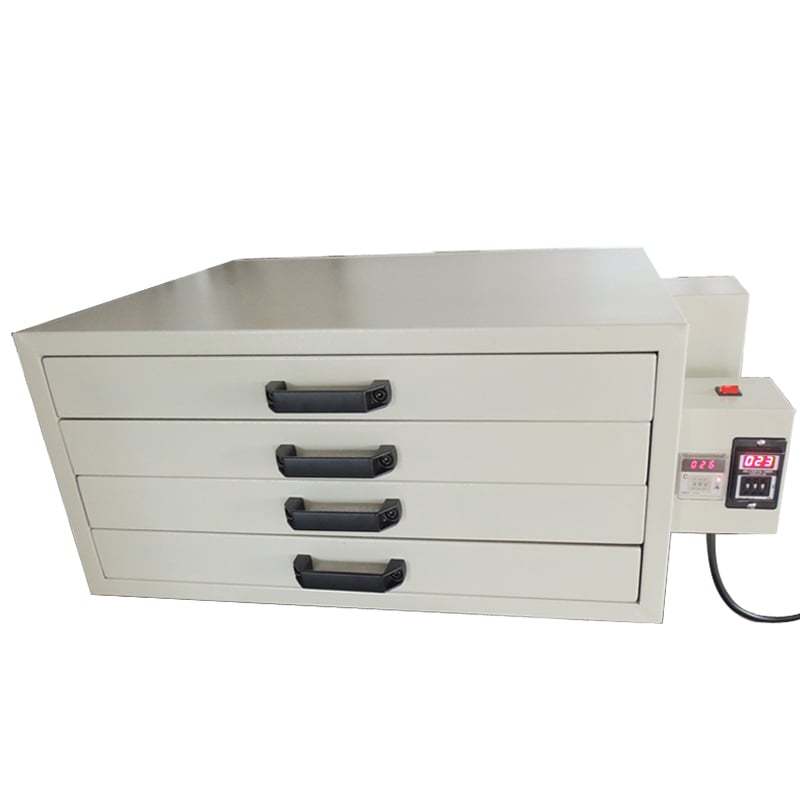
Савремени производњи захтевају прецизност и ефикасност, што чини избор правог сушионице од кључног значаја за предузећа у различитим индустријама. Квалитетна сушилачка пећ служи као кичма производних радних токова, обезбеђујући доследне резултате док се оптимизују потрошња енергије и оперативни трошкови. Од инсталација за шрифт штампу до фармацеутских лабораторија, свестраност и перформансе ових неопходних машина настављају да покрећу иновације у индустријској обради.
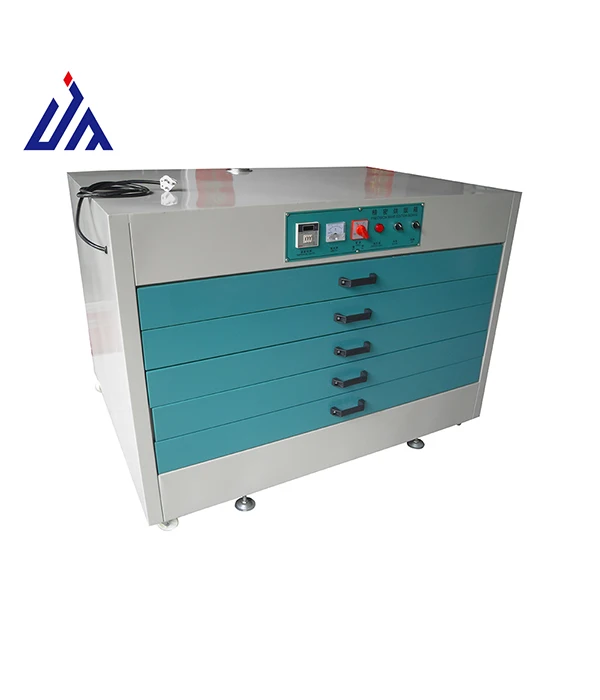
Еволуција технологије сушења променила је начин на који произвођачи приступају апликацијама за термичку обраду. Савремени дизајн сушења пећница укључује напредне системе за контролу температуре, енергетски ефикасне грејачке елементе и софистициране могућности за праћење које осигурају прецизне услове животне средине. Ова побољшања не само да побољшавају квалитет производа већ и смањују оперативне трошкове кроз оптимизоване обрасце потрошње енергије и продужен живот опреме.
Разумевање основних принципа који стоје иза операције сушења пећница помаже предузећима да доносе информисане одлуке о куповини. Уједноставност температуре, расподела проток ваздуха и контрола влаге представљају примарне факторе који разликују опрему професионалног нивоа од основних алтернатива. Инвестиције у поуздану технологију сушења директно се преводе у побољшану конзистенцију производње и смањење стопе отпада у различитим производњима.
Industrijske primene i tržišne potrebe
Скрин-принтинг Захтеви у индустрији
Сектор серијске штампе представља један од највећих потрошачких сегмената за специјализовану опрему за сушење пећника. Професионални штампари захтевају прецизну контролу температуре како би мастила правилно заздравила без оштећења субстрата или узроковања варијација боје. Дизајни вишеслојних ормара постали су све популарнији, омогућавајући оператерима да истовремено обрађују више послова док одржавају доследне услове животне средине широм коморе.
Улагања за серијску штампу значајно имају користи од инвестирања у системе сушења пећника веће капацитете које могу да прихвате различите величине и дебљине субстрата. Способност независне прилагођавања температурних зона омогућава оператерима да оптимизују профиле за оцвршћивање за различите формуле мастила и комбинације материјала. Ова флексибилност се показује неопходном када се баве различитим захтевима клијената у скраћеним временским редовима производње.
Протоколи за осигурање квалитета у операцијама серијске штампе у великој мери зависе од поуздане перформансе сушења пећника. Непоследна расподела температуре може довести до некомплетан зачепљење, што доводи до проблема издржљивости и жалбе купца. Професионална опрема укључује напредне циркулационе системе који елиминишу вруће тачке и обезбеђују једнаку дистрибуцију топлоте на свим нивоима полица.
Фармацеутске и лабораторијске апликације
Фармацеутски производни објекти захтевају системе за сушење пећница које испуњавају строге стандарде у складу са регулативама, док пружају прецизну контролу животне средине. Ове апликације захтевају изузетну температурну стабилност и свеобухватне могућности документације како би задовољиле захтеве валидације које наметну регулаторне агенције. Мерке за спречавање контаминације и једноставне процедуре чишћења представљају додатне критичне разматрања за фармацеутске апликације.
У опрему за сушење лабораторијске класе су укључени сложени системи за праћење температурних промена и одржавање детаљних дневника рада. Ове карактеристике омогућавају особље за контролу квалитета да идентификује потенцијалне проблеме пре него што утичу на интегритет производа или статус у складу са регулативама. Напређени модели укључују програмиране температурне профиле који прилагођавају сложене протоколе сушења потребне за специјализоване фармацеутске једињења.
Истраживачке институције и лабораторије за развој имају користи од система сушења пећница који пружају изузетну прецизност температуре и брзо време опоравка. Способност одржавања стабилних услова током честих отварања врата осигурава доследне експерименталне резултате док се минимизира отпад енергије. Модуларни дизајн омогућава лабораторијама да конфигуришу опрему у складу са специфичним захтевима истраживања и ограничењима доступног простора.
Технолошке иновације и карактеристике перформанси
Напређени системи за контролу температуре
Модерне конструкције сушења пећница укључују контролне системе засноване на микропроцесорима који пружају невиђену тачност температуре и стабилност. Ови софистицирани контролери истовремено прате више сензорских улаза, правећи прилагођавања за грејање елемената и циркулационих вентилатора у реалном времену како би се одржали оптимални услови околине. Програмски прилагодљиви параметри дозвољавају оператерима да креирају сложене температурне профиле који задовољавају специјалне захтеве обраде.
Дигитални интерфејс за приказивање пружа свеобухватну оперативну повратну информацију, укључујући тренутне температуре, вредности постављене тачке и индикаторе стања аларма. Напређени модели имају контролере са тачскрином који поједностављају процедуре програмирања, а истовремено нуде проширену функционалност као што су регистровање података и могућности удаљеног надзора. Ови кориснички прихватљиви интерфејси смањују захтеве за обуку оператера и минимизују потенцијал за грешке у програмирању.
Прецизна контрола температуре постаје посебно критична када се обрађују топлотно осетљиви материјали или извршавају протоколи за зачешћење који зависе од времена. Висококвалитетни системи сушења пећника одржавају варијације температуре у уским толерантним опсеговима, обезбеђујући доследне резултате обраде без обзира на услове окружења или варијације оптерећења. Овај ниво контроле је од суштинског значаја за апликације које захтевају строге стандарде квалитета и понављане резултате.
Енергетска ефикасност и животна средина
Савремени произвођачи сушења су приоритет енергетске ефикасности кроз иновативне изолационе материјале и оптимизоване конфигурације грејачких елемената. Високопроизводни изолациони системи минимизују губитак топлоте док смањују температуру спољне површине, стварајући сигурније радно окружење и мање трошкове хлађења. Напредни дизајн грејача ефикасније дистрибуира топлотну енергију, смањујући укупну потрошњу енергије без угрожавања перформанси.
Технологија покретања променљиве фреквенције омогућава прецизну контролу брзине вентилатора, оптимизујући обрасце проток ваздуха у складу са специфичним захтевима оптерећења и условима обраде. Овај приступ смањује потрошњу енергије током радња са лаким оптерећењем, а истовремено одржава адекватну циркулацију за равномерну расподелу температуре. Алгоритми интелигентне контроле аутоматски прилагођавају параметре рада како би се смањила потрошња енергије без угрожавања квалитета обраде или времена циклуса.
Сматрања о одрживости животне средине покрећу континуиране иновације у технологији сушења пећница. Произвођачи се све више фокусирају на смањење угљенског отиска побољшањем оцењивања ефикасности и повећањем дуговечности компоненти. Модуларни дизајн компоненти олакшавају процедуре одржавања и замену компоненти, продужујући живот опреме, а истовремено смањујући производњу отпада повезаног са потпуном заменом јединице.
Критеријуми за избор и разматрања при куповини
Капацитет и опције конфигурације
Одређивање одговарајућих захтјева за капацитетом подразумева пажљиву анализу тренутних производних запремина и предвиђених пројекција раста. сушилни пећник системи са проширивим конфигурацијама пружају флексибилност за предузећа која доживљавају променљиве обрасце потражње или сезонске флуктуације. Дизајни са више комора омогућавају истовремено обраду различитих материјала, док се одржавају независне контроле животне средине за сваку зону.
Конфигурације полица значајно утичу на оперативну ефикасност и капацитете за производњу производа. Регулисани системи полица прилагођавају се различитим величинама производа и конфигурацијама паковања док максимизују коришћење коморе. Неке апликације имају користи од специјализованих система за фиксерирање који подржавају специфичне геометрије производа или оријентације обраде, побољшавајући ефикасност преноса топлоте и смањујући време циклуса.
Разлози интеграције радног простора утичу на одлуке о избору опреме, посебно у објектима са ограниченом површином или постојећим инфраструктурним ограничењима. Компактни дизајн оптимизује ефикасност улоге без жртвовања перформансних могућности, док већи системи пружају повећани капацитет за операције великог броја. Потребе за одговарајућом вентилацијом и електричном инфраструктуром морају бити процените током процеса селекције како би се осигурала беспрекорна инсталација и оптимална перформанса.
Плански буџет и поврат улагања
Свеобухватна анализа трошкова се протеже изван почетних куповних цена да би укључивала оперативне трошкове, захтеве одржавања и очекивани животни век. Висококвалитетни системи сушења пећника обично нуде врхунску енергетску ефикасност и дуже интервале сервиса, што резултира нижим укупним трошковима власништва упркос већим почетним нивоима инвестиција. Покривеност гаранцијом и доступност техничке подршке представљају додатне факторе који утичу на дугорочне трошкове власништва.
Побољшање ефикасности производње често оправдава инвестиције у врхунску опрему кроз смањење времена циклуса и побољшање квалитета производа. Последни резултати обраде минимизују стопу отпада и захтеве за прераду, што директно утиче на профитабилност и ниво задовољства клијената. Напремене могућности надзора омогућавају предвиђање распореда одржавања, смањење неочекиваних трошкова за време простора и продужавање трајања опреме.
Опције финансирања и програми лизинга опреме пружају алтернативне стратегије прикупљања за предузећа са капиталним ограничењима или специфичним циљевима пореског планирања. Многи произвођачи нуде флексибилне услове плаћања и пакете услуга који спајају покриће за одржавање са куповином опреме. Ови програми помажу предузећима да стекну потребну опрему док истовремено сачувају радни капитал за друге оперативне потребе.
Најбоље праксе за инсталацију и одржавање
Правилни поступак инсталације
Професионална инсталација осигурава оптималну перформансу пећи за сушење, истовремено штитијући гаранцију и спречавајући опасности за безбедност. Квалификовани техничари процењују захтеве електричне инфраструктуре, спецификације вентилације и потребе за структурном подршком пре испоруке опреме. Правилна припрема локације укључује адекватну размаку, одговарајуће везе са комуналним услугама и мере контроле животне средине које подржавају поуздано функционисање.
Процедуре калибрације потврђују тачност температуре и униформизацију у целој запремини коморе, успостављајући исходног параметра за текуће програме мониторинга. Први протоколи тестирања укључују профилирање празне коморе, верификацију нагруженог стања и валидацију алармског система. Документација ових процедура пружа референтне стандарде за будуће активности одржавања и процедуре за решавање проблема.
Програм обуке оператера осигурава да особље разуме одговарајуће оперативне процедуре, безбедносне протоколе и основне захтеве за одржавање. Свеобухватно обучавање смањује вероватноћу оперативних грешака док се максимизују способности опреме и животни век. Редовни сесије за поновно обучавање помажу да се одржи оперативна компетенција док се дешава ротација особља и примењују модификације опреме.
Стратегије превентивног одржавања
Планирани програми одржавања очувају перформансе сушења пећнице док се спречавају скупи хитни поправци и прекиди производње. Редовне процедуре инспекције укључују процену стања грејача, верификацију рада циркулационих вентилатора и проверу калибрације система управљања. Проактивна замена компоненти на основу препорука произвођача спречава неочекиване неуспјехе током критичних производних периода.
Калибрација сензора температуре одржава тачност мерења и осигурава доследне услове обраде током продужених радних периода. Професионалне услуге калибрације пружају тражљиво сертификацију која се захтева за регулисане индустрије, а истовремено идентификују потенцијалну деградацију сензора пре него што утиче на квалитет производа. Редовни распореди калибрације зависе од захтева за апликацију и обавеза за у складу са регулативама.
Документациони системи прате активности одржавања, трендове у перформанси и распореде замене компоненти. Ови записи подржавају гаранције, услове за у складу са регулативама и предвиђачко планирање одржавања. Цифрови системи управљања одржавањем олакшавају одржавање записа, док пружају аутоматизоване могућности подсећања и алате за анализу перформанси.
Будући трендови и развој технологије
Паметна повезивање и индустријска интеграција
Интеграција Интернета ствари омогућава да се на даљину спроводе мониторисање и контрола који повећавају оперативну флексибилност и истовремено смањују захтеве за надзор. Платформе података засноване на облаку пружају свеобухватне алате за анализу који идентификују могућности оптимизације и предвиђају потребе за одржавањем. Ове карактеристике повезивања подржавају иницијативе за елегантну производњу и програме континуираног побољшања у различитим индустријским апликацијама.
Алгоритми вештачке интелигенције анализирају оперативне податке како би аутоматски оптимизовали параметре обраде и идентификовали потенцијална побољшања ефикасности. Моћности машинског учења омогућавају предвиђачко планирање одржавања на основу стварних обрасца коришћења, а не унапред одређених интервала. Ове напредне карактеристике смањују оперативне трошкове, а истовремено побољшавају поузданост опреме и конзистенцију квалитета производа.
Интеграција са системима планирања ресурса предузећа рационализује процесе планирања производње и управљања инвентаризацијом. Автоматизовано прикупљање података елиминише потребе за ручним снимањем, док пружа видљивост у реалном времену о стању производње и перформанси опреме. Ова повезаност подржава стратегије производње у право време и брз одговор на промену захтева купаца.
Одржливост и усклађеност са животном средином
Појављују се еколошки прописи који покрећу континуиране иновације у ефикасности сушања и технологијама за контролу емисија. Произвођачи се усредсређују на смањење потрошње енергије помоћу напредних изолационих материјала и оптимизованих пројеката система за грејање. Системи за рекуперацију топлоте улажу отпадну топлотну енергију за грејање објеката, што даље побољшава укупне проценте енергетске ефикасности.
Интеграција алтернативне енергије подржава корпоративне циљеве одрживости, док истовремено смањује оперативне трошкове у регионима са повољним ценама обновљиве енергије. Соларни топлотни системи и геотермалне топлотне пумпе пружају додатне изворе енергије који смањују потрошњу електричне енергије у мрежи. Компатибилност са паметним мрежама омогућава учешће у одговору на потражњу које оптимизује трошкове енергије током периода врхунских цена.
Методологије процене животниг циклуса усмеравају одлуке о развоју производа према материјалима и дизајну који минимизују утицај на животну средину током целог животног циклуса опреме. Материјали за рециклирање компоненти и модуларни дизајн олакшавају обраду на крају живота, истовремено смањујући производњу отпада. Ове иницијативе одрживости су у складу са програмом корпоративне одговорности за животну средину и захтевима за правно поштовање.
Често постављене питања
Која је величина сушајуће пећи одговарајућа за мале и средње производне операције
Мали и средњи производни послови обично имају користи од система сушања пећи са 3-5 кубних стопа корисне просторе коморе, иако специфични захтеви зависе од димензија производа и производних волумена. Дизајни вишеслојних кабинета максимизују капацитет у компактним отпечацима, што их чини идеалним за објекте са ограничењима простора. Узимање у обзир будућих пројекција раста приликом одабира капацитета како би се избегле превремене потребе за замену опреме.
Како се трошкови енергије упоређују између различитих технологија сушења пећника
Трошкови енергије значајно се разликују у зависности од технологије грејања, квалитета изолације и сложености система управљања. Електрични сушилни системи обично пружају прецизну контролу температуре, али могу имати веће трошкове рада у регијама са скупим ценама електричне енергије. У многим областима уређаји на гас пружају ниже трошкове горива, али захтевају додатну вентилациону инфраструктуру и безбедносна разматрања.
Који захтеви за одржавање треба очекивати са комерцијалном опремом за сушење пећника
Коммерцијални системи сушења пећника захтевају месечне процедуре чишћења, кварталну верификацију калибрације температуре и годишње свеобухватне инспекције грејачких елемената и компоненти циркулације. Графици замену филтера зависе од услова окружења и интензитета употребе, обично од кварталног до годишњег. Уговори о професионалним услугама често пружају трошковно ефикасан покритак одржавања, истовремено осигуравајући усклађеност са захтевима гаранције.
Колико дуго индустријски сушилни пећи обично трају са одговарајућим одржавањем
Добро одржавана опрема за индустријску сушење пећница обично пружа 15-20 година поуздане услуге, иако стварни животни век зависи од интензитета употребе, услова животне средине и квалитета одржавања. Графици за замену компоненти варирају, са грејачима и циркулационим вентилаторима који захтевају замену сваких 5-7 година под нормалним условима рада. Улагање у висококвалитетну опрему и праћење препорука произвођача за одржавање максимално повећава трајање и повратак инвестиције.
Садржај
- Industrijske primene i tržišne potrebe
- Технолошке иновације и карактеристике перформанси
- Критеријуми за избор и разматрања при куповини
- Најбоље праксе за инсталацију и одржавање
- Будући трендови и развој технологије
-
Често постављене питања
- Која је величина сушајуће пећи одговарајућа за мале и средње производне операције
- Како се трошкови енергије упоређују између различитих технологија сушења пећника
- Који захтеви за одржавање треба очекивати са комерцијалном опремом за сушење пећника
- Колико дуго индустријски сушилни пећи обично трају са одговарајућим одржавањем