
 EN
EN
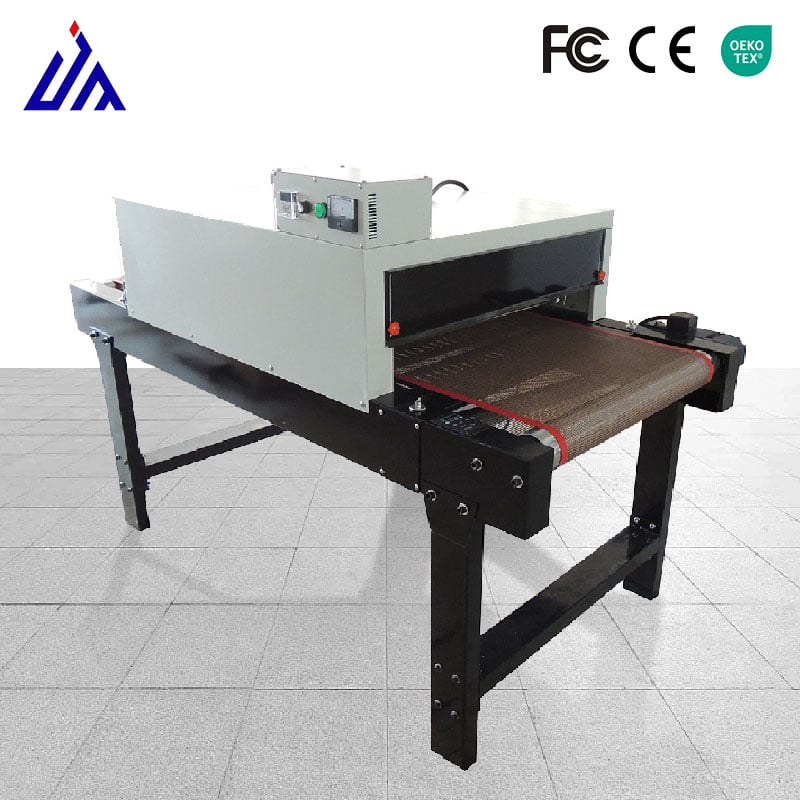
Индустриалните процеси за сушене са претърпели значителна еволюция през последното десетилетие, като технологията на тунелните сушилни води в областта на ефективността и надеждността. Тези сложни системи осигуряват равномерно разпределение на топлината и контролирани среди за сушене при различни производствени приложения – от текстил до обработка на хранителни продукти. Познаването на най-новите иновации в тунелните сушилни може да помогне на предприятията да оптимизират производствените си потоци и да намалят оперативните разходи. Съвременните системи за тунелно сушене включват напреднали температурни контроли, енергийно ефективни нагревателни елементи и автоматизирани системи за наблюдение, които гарантират оптимална производителност при различни видове материали.
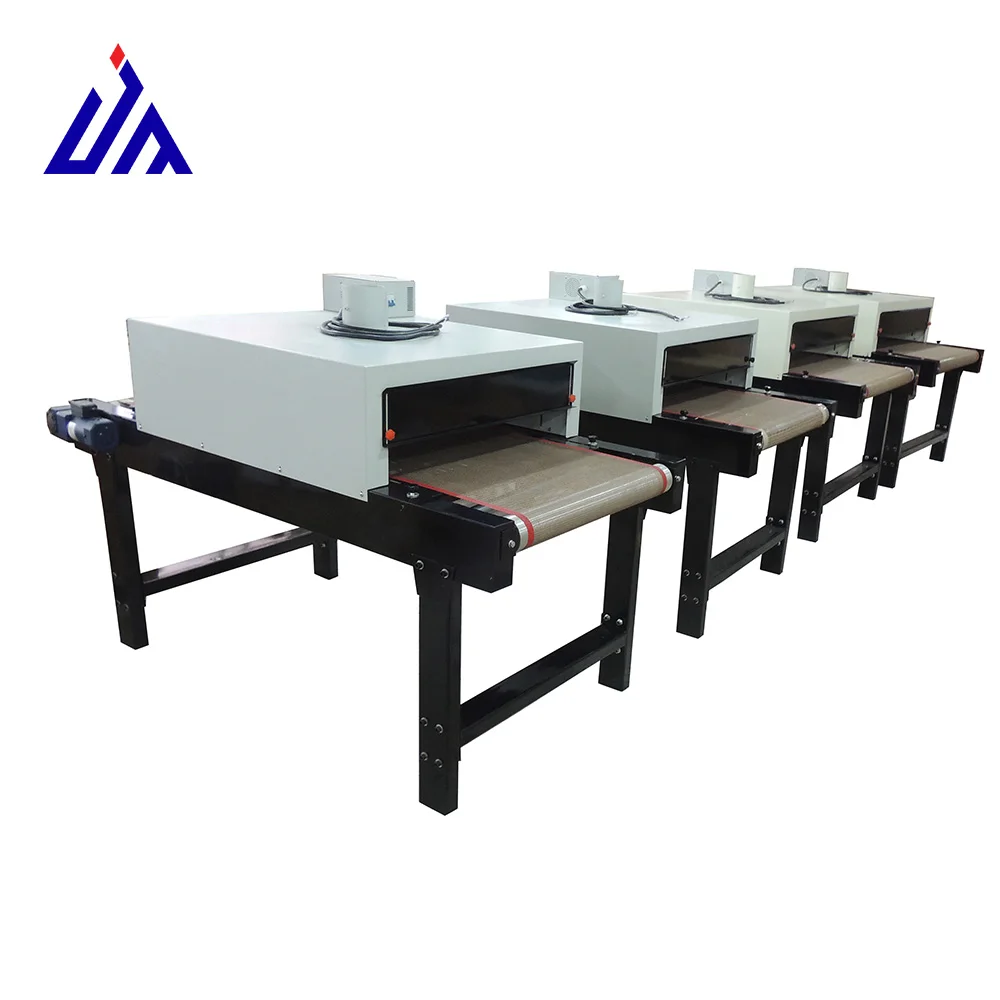
Изборът на подходящ тунелен сушилник зависи от множество фактори, включително обема на производството, спецификациите на материала, енергийните изисквания и бюджетните ограничения. Лидерите в индустрията продължават да разработват иновативни решения, които преодоляват чести предизвикателства като неравномерно нагряване, прекомерно енергопотребление и сложност при поддръжката. Това всеобхватно ръководство разглежда най-добрите системи за тунелно сушене, налични през 2025 г., с фокус върху техните уникални характеристики, работни възможности и практически приложения в различни промишлени сектори.
Разбиране на технологията на тунелните сушилници
Основни принципи на работа
Системите за тунелно сушене работят на основния принцип за преместване на материали през контролирана нагревателна среда, използвайки непрекъсната лента или релсов механизъм. Сушилната камера поддържа прецизни температурни зони, които могат да се настройват според изискванията към материала и скоростите на обработка. Напредналите тунелни сушилни устройства разполагат с множество етапи на нагряване, което позволява постепенно отстраняване на влагата без повреждане на чувствителни материали или възникване на топлинно напрежение.
Механизмите за регулиране на температурата в съвременните системи за тунелно сушене използват сложни сензори и обратни връзки, за да осигурят постоянно разпределение на топлината в цялата сушилна камера. Тези системи могат да компенсират различни дебелини на материала и нива на влажност чрез автоматично регулиране на скоростта на конвейера и интензитета на нагряването. Затворената конструкция на тунелната сушилня минимизира загубата на топлина и създава оптимална среда за ефективно изпарение на влагата.
Иновации в енергийната ефективност
Съвременните конструкции на тунелни сушилни се фокусират върху запазване на енергията чрез подобрени материали за изолация, системи за възстановяване на топлина и интелигентно управление на енергията. Много устройства включват инфрачервени нагревателни елементи, които осигуряват насочена доставка на енергия, намалявайки общото потребление на мощност, като същевременно осигуряват ефективна производителност при сушенето. Променливи скоростни задвижвания и програмируеми логически контролери позволяват прецизен контрол върху използването на енергия въз основа на реалните производствени нужди.
Системите за възстановяване на топлина в напредналите модели на тунелни сушилни улавят и рециркулират топъл въздух, значително намалявайки загубата на енергия и експлоатационните разходи. Някои производители са интегрирали съвместимост с възобновяеми енергийни източници, което позволява на обектите да захранват своите тунелни сушилни системи с помощта на слънчеви панели или други устойчиви енергийни източници. Тези иновации правят технологията на тунелните сушилни все по-привлекателна за бизнеси с екологична отговорност, които целят намаляване на своя въглероден отпечатък.
Индустриални приложения и предимства
Текстил и Широкоположен печат Индустрии
Текстилната индустрия разчита в голяма степен на тунелни сушилни системи за полимеризация на мастила, лепила и покрития върху текстилни материали. Операциите по шелкографско отпечатване особено се възползват от тунел за сушка технология, която осигурява постоянни температурни профили, необходими за правилното залепване и издръжливост на мастилото. Тези системи премахват несигурността, свързана с ръчни методи за сушене, и гарантират еднородни резултати при големи серийни производствени серии.
Съвременните тунелни сушилни агрегати за текстил са подходящи за различни видове и плътности на платове – от леки синтетични материали до тежки памучни смеси. Възможността за непрекъснато обработване позволява на производителите да поддържат стабилен производствен поток, без задръстванията, характерни за партидни методи за сушене. Температурните зони могат да се персонализират според различните видове мастила, включително водно разтворими, пластизол и специализирани състави, изискващи определени параметри за отверждаване.
Преработка и упаковка на хранителни продукти
Производителите на храни използват технологията на тунелни сушилни за обезвожаване на плодове, зеленчуци и готови храни, като запазват хранителната стойност и качеството на продуктите. Контролираната среда, осигурена от тунелните сушилни системи, предотвратява замърсяване и гарантира съответствие с разпоредбите за безопасност на храните. Конструкцията от неръждаема стомана и лесно почистващите се дизайни правят тези системи идеални за приложения, изискващи чести дезинфекции.
Опаковъчните операции извличат полза от тунелни сушилни системи, които втвърдяват адхезиви върху етикети, запечатвания и защитни покрития. Прецизният контрол на температурата предотвратява деформация на опаковките, като осигурява силни адхезивни връзки, които издържат на условията по време на транспортиране и съхранение. Много модели тунелни сушилни включват системи за филтриране на въздуха, които премахват замърсители и поддържат чиста среда за обработка, необходима за приложения в хранителната опаковка.
Критерии за избор и фактори за производителност
Изисквания за капацитет и пропускливост
Определянето на подходящата вместимост на тунелния сушилник изисква анализ на текущите обеми производство и очакваните нужди от разширяване. Ширината на лентата и дължината на камерата директно повлияват производствената мощност, докато възможността за регулиране на скоростта на транспортьора позволява прецизно настройване на темповете на преработка. Дружествата трябва да вземат предвид периодите на пикови натоварвания и да планират достатъчна вместимост на тунелния сушилник, за да се избегнат забавяния в производството по време на сезоните с висок търсенето.
Модулните конструкции на тунелни сушилници предлагат предимства в мащабирането, като позволяват на обектите да разширяват производствената си мощност чрез добавяне на камери или модернизация на транспортните системи. Тази гъвкавост се оказва от голяма стойност за развиващи се предприятия, които имат нужда от увеличаване на производството, без да заменят напълно тунелните сушилни инсталации. Някои производители предлагат лизингови опции, които дават възможност на компаниите да модернизират сушилните си системи, когато се променят изискванията за производство.
Диапазон на температурата и точност на регулиране
Различните материали изискват определени температурни диапазони за оптимални резултати при сушенето, което прави температурния обхват критичен фактор при избора на тунелни сушилни системи. Високотемпературни приложения, като обработката на керамика, може да изискват тунелни сушилни агрегати, способни да достигат температури над 1000°F, докато чувствителните материали се нуждаят от прецизен ниско-температурен контрол. Цифровите температурни регулатори осигуряват точност в рамките на тесни допуски, гарантирайки постоянство на качеството на продукта.
Многосегментният температурен контрол позволява на операторите на тунелни сушилни системи да създават персонализирани профили за нагряване, които оптимизират ефективността на сушенето за сложни материали. Зоните за предварително нагряване постепенно повишават температурата на материалите, за да се предотврати топлинният шок, докато зоните за охлаждане позволяват контролирано понижаване на температурата преди извеждане на материала. Напреднали тунелни сушилни системи включват възможности за запис на данни, които регистрират температурни профили с цел осигуряване на качеството и оптимизация на процеса.
Разглеждане на поддръжка и операции
Протоколи за профилактично поддържане
Редовните графици за поддръжка са от съществено значение за максимизиране на производителността на тунелните сушилни и удължаване на живота на оборудването. Ежедневните проверки трябва да включват състоянието на транспортната лента, функцията на нагревателните елементи и калибрирането на температурните сензори. Седмичните задачи по поддръжка обикновено включват почистване на въздушни филтри, смазване на движещи се компоненти и проверка на електрическите връзки за признаци на износване или повреди.
Професионалното обслужване на тунелни сушилни трябва да се извършва през предварително определени интервали, базирани на работните часове и препоръките на производителя. Квалифицирани техници могат да идентифицират потенциални проблеми, преди те да доведат до скъпи повреди или прекъсвания в производството. Много производители на тунелни сушилни предлагат договори за обслужване, които включват редовни посещения за поддръжка, аварийни ремонти и достъпност на резервни части.
Безопасностни характеристики и съответствие
Съвременните тунелни сушилни системи включват множество предпазни функции, включително контроли за аварийно спиране, системи за погасяване на пожар и защитни вериги срещу прегряване. Правилните вентилационни системи отстраняват летливите съединения и осигуряват безопасна работна среда около инсталациите на тунелни сушилни. Предпазни електрически функции като защита срещу токови изтичания и възможности за заключване/маркиране гарантират безопасността на операторите по време на техническо обслужване.
Изискванията за спазване на разпоредбите варирали в зависимост от индустрията и географското местоположение, което прави важно да се избират тунелни сушилни системи, отговарящи на приложимите стандарти. UL сертифициране, CE маркиране и други сертификати показват, че оборудването на тунелните сушилни е подложено на строги изпитвания и отговаря на установените критерии за безопасност. Документационните пакети трябва да включват указания за инсталиране, оперативни процедури и протоколи за безопасност за целите на регулаторното одобрение.
Анализ на разходите и възвръщаемост на инвестициите
Съображения относно първоначалните инвестиции
Цените на тунелните сушилни варирали значително в зависимост от размера, функциите и качеството на изработката, като основните модели започват от около 15 000 щатски долара, а сложните системи надхвърлят 100 000 щатски долара. Разходите за инсталиране трябва да включват електрически свързвания, вентилационни изисквания и всякакви необходими модификации на сградата. Предприятията трябва да предвидят разходи за обучение, за да се осигури, че операторите разбират правилната работа с тунелните сушилни и спазват безопасностните процедури.
Финансирането за закупуване на тунелни сушилни включва традиционни заеми за оборудване, лизингови договори и програми за наем с право на изкупуване. Могат да се прилагат данъчни стимули за енергийно ефективни тунелни сушилни, които потенциално намаляват крайната покупна цена чрез ползи от амортизация или енергийни кредити. Някои производители предлагат програми за обратно изкупуване, които предоставят кредит към закупуването на нови тунелни сушилни при подобряване на съществуващото оборудване.
Прогнози за експлоатационните разходи
Консумацията на енергия представлява най-голямата постоянна разходна статия за тунелните сушилни, което прави показателите за ефективност решаващ фактор за дългосрочната рентабилност. Тунелните сушилни, работещи на природен газ, обикновено предлагат по-ниски експлоатационни разходи в сравнение с електрическите модели в региони с благоприятни цени на газа. Редовните разходи за поддръжка трябва да бъдат включени в прогнозите за експлоатационни разходи, включително разходи за резервни части, сервизни извиквания и разходни материали като филтри и ленти.
Намаленията в разходите за труд често оправдават инвестициите в тунелни сушилни, като се премахват ръчните процеси за сушене и се намалят изискванията за контрол на качеството. Автоматизираните тунелни сушилни могат да работят с минимален надзор, позволявайки на персонала да се насочи към други производствени задачи. Подобренията в производителността, дължащи се на по-бързи цикли на обработка и последователно качество на продукцията, допринасят за положителните изчисления на възвръщаемостта от инвестициите при внедряването на тунелни сушилни.
Бъдещи тенденции и технологични разработки
Умни системи за управление
Интеграцията на технологията Интернет на нещата превръща тунелните сушилни системи в интелигентни производствени инструменти, които предоставят данни за работните параметри в реално време и сигнализират предварително за необходимост от поддръжка. Платформи за наблюдение чрез облак позволяват на мениджърите на обектите да следят производителността на тунелните сушилни от разстояние и да оптимизират настройките въз основа на анализ на исторически данни. Алгоритми за машинно обучение могат автоматично да коригират работните параметри, за да се максимизира ефективността и качеството на продукта.
Мобилни приложения позволяват на операторите да наблюдават и управляват тунелни сушилни системи чрез смартфони или таблети, осигурявайки гъвкавост при работа на няколко локации. Известия в реално време информират ръководителите за аварийни състояния или нужда от поддръжка, гарантирайки бърз отговор при потенциални проблеми. Платформи за анализ на данни помагат за идентифициране на възможности за оптимизация и проследяване на ключови показатели за представянето на тунелните сушилни.
Характеристики на екологичната устойчивост
Екологичните регулации насърчават иновациите в конструкцията на тунелни сушилни, като производителите разработват системи, които минимизират емисиите и намаляват въздействието върху околната среда. Напреднали филтриращи системи улавят летливите органични съединения и частиците, предотвратявайки тяхното отделяне в атмосферата. Някои модели тунелни сушилни включват каталитични оксидатори, които разграждат вредните емисии до безвредни странични продукти.
Възможностите за интегриране на възобновяема енергия позволяват на тунелните сушилни системи да работят с помощта на слънчева, вятърна или друга устойчива енергия. Системи за съхранение на енергия могат да запасяват възобновяема енергия за използване по време на периоди с висока търсене, намалявайки зависимостта от традиционните електрически мрежи. Функции за проследяване на въглеродния отпечатък помагат на предприятията да следят и отчитат своето екологично въздействие от операциите с тунелни сушилни.
ЧЗВ
Какви фактори трябва да имам предвид при избора на тунелна сушилня за моята инсталация
Най-важните фактори включват изискванията за обем на производството, видовете материали, които трябва да бъдат изсушени, наличното подово пространство и енергийната инфраструктура. Имайте предвид необходимия температурен диапазон за вашите приложения, тъй като някои материали изискват обработка при ниска температура, докато други се нуждаят от високотемпературно отверждаване. При бюджетните съображения трябва да се включат не само първоначалната покупна цена, но и разходите за инсталиране, текущите енергийни разходи и изискванията за поддръжка. Оценете репутацията на производителя, наличността на сервизно обслужване и гаранционното покритие, за да се осигури дългосрочна надеждност.
Колко енергия консумира типичен тунелен сушилник
Консумацията на енергия варира значително в зависимост от размера на тунелната сушилня, изискванията за температура и работните часове. Малки тунелни сушилни с конвейер могат да консумират 10–20 kW на час, докато големите индустриални системи могат да изискват 100 kW или повече. Системите за тунелно сушене с газово отопление често осигуряват по-ниски експлоатационни разходи в райони с благоприятни цени на природния газ. Енергийно ефективни характеристики като подобрена топлоизолация, системи за топлинна рекуперация и променливи скоростни задвижвания могат значително да намалят консумацията. Поискайте подробни енергийни спецификации от производителите и изчислете очакваните експлоатационни разходи въз основа на местните тарифи за енергия.
Какво обслужване изискват тунелните сушилни системи
Редовното поддържане включва ежедневни визуални проверки на транспортните ленти, нагревателни елементи и контроли на температурата. Седмичните задачи обикновено включват почистване на въздушни филтри, проверка на опъна на лентите и смазване на движещите се компоненти. Месечното поддържане трябва да включва калибриране на сензорите за температура, проверка на електрическите връзки и почистване на вътрешната камера. Годишното професионално обслужване осигурява оптимална производителност и идентифициране на потенциални проблеми, преди те да доведат до повреди. Пазете подробни записи за поддържането, за да проследявате състоянието на оборудването и да планирате замяна на компоненти.
Могат ли системите за тунелно сушене да се персонализират за конкретни приложения
Повечето производители предлагат обширни възможности за персонализация на системите за тунелно сушене, за да отговарят на конкретните изисквания за приложение. Материалите на лентата могат да се избират според устойчивостта им към температура и съвместимостта с продукта. Размерите на камерата могат да бъдат променени, за да се вместят необичайни размери на продуктите или ограничения в съоръжението. Специални функции като UV лампи, въздушни ножове или охлаждащи зони могат да бъдат интегрирани за специализирани нужди при обработката. Системите за управление могат да бъдат програмирани с персонализирани профили на температурата и последователности по време. Обсъдете конкретните си изисквания с производителите в ранния етап на процеса на избор, за да се осигури правилното проектиране на системата.