
 EN
EN
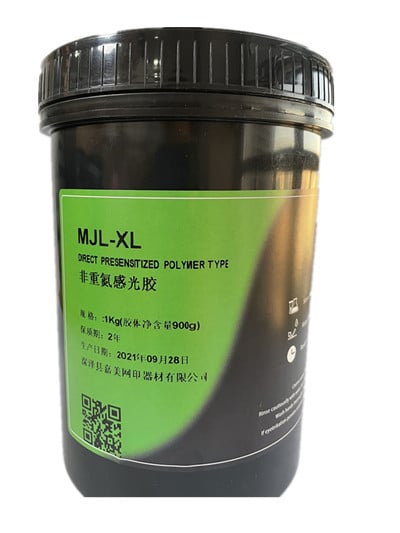
Screen printing has evolved significantly over the decades, and selecting the right photo emulsion remains one of the most critical decisions for achieving professional results. Whether you're a seasoned printer or just starting your screen printing journey, understanding the properties and applications of different photo emulsion types will dramatically impact your print quality, durability, and overall production efficiency. Modern photo emulsion formulations offer unprecedented precision and versatility, making it possible to achieve fine detail reproduction and consistent results across various substrates and ink systems.
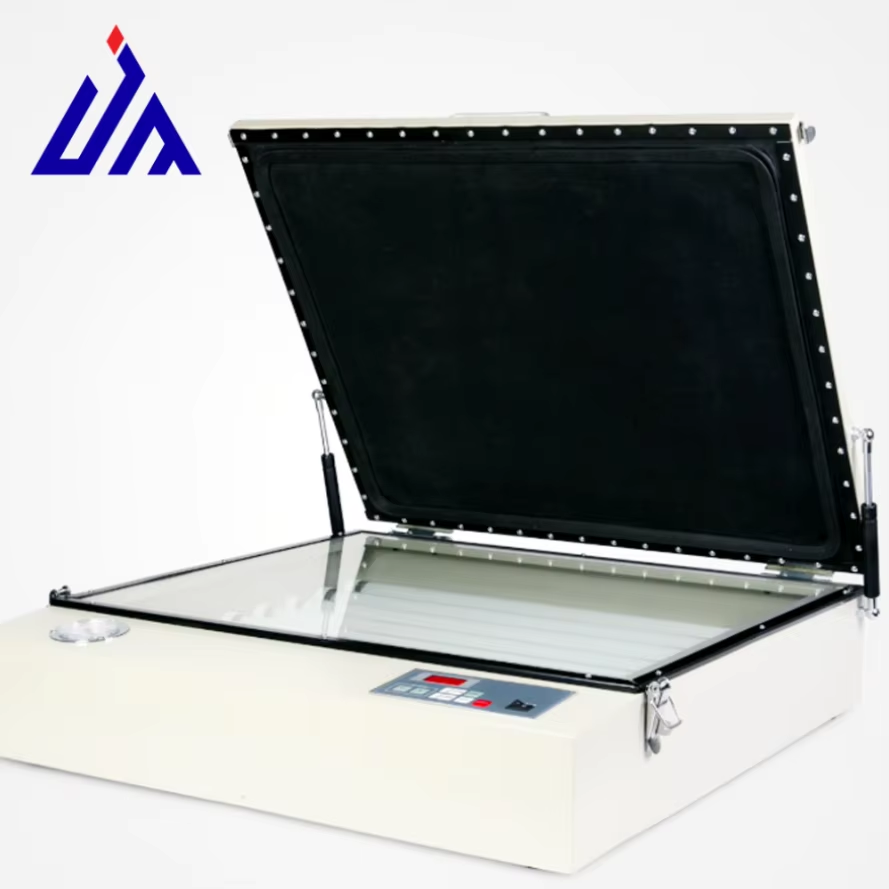
The screen printing industry continues to advance with innovative photo emulsion technologies that address common challenges such as resolution limitations, durability concerns, and processing complexity. Today's professional printers demand photo emulsion products that deliver exceptional edge definition, superior stencil strength, and reliable performance across diverse printing applications. Understanding these requirements helps establish the foundation for selecting emulsion systems that align with specific production needs and quality standards.
Contemporary photo emulsion chemistry incorporates advanced polymer systems designed to optimize exposure characteristics, development properties, and on-press performance. These formulations balance sensitivity with resolution capabilities, ensuring that printers can achieve both fine detail reproduction and robust stencil integrity. The evolution of photo emulsion technology reflects the industry's commitment to meeting increasingly demanding print specifications while maintaining cost-effective production workflows.
Understanding Photo Emulsion Chemistry and Properties
Polymer Base Systems and Their Applications
The foundation of any high-quality photo emulsion lies in its polymer base system, which determines fundamental characteristics such as resolution capability, chemical resistance, and mechanical durability. Modern photo emulsion formulations typically utilize either polyvinyl alcohol (PVA) or polyvinyl acetate (PVAc) base polymers, each offering distinct advantages for specific printing applications. PVA-based photo emulsion systems excel in water-based ink applications due to their inherent water resistance after proper crosslinking, while PVAc formulations provide superior solvent resistance for aggressive ink chemistries.
Advanced photo emulsion chemistry incorporates sensitizer systems that respond predictably to UV exposure, creating controlled crosslinking reactions that transform the liquid emulsion coating into a durable stencil material. These sensitizer packages must balance exposure speed with shelf stability, ensuring that photo emulsion products maintain consistent performance throughout their recommended storage periods. Professional-grade formulations often include additional additives such as rheology modifiers, adhesion promoters, and anti-foaming agents to optimize coating characteristics and processing reliability.
The molecular structure of photo emulsion polymers directly influences key performance parameters including elongation properties, tear resistance, and chemical compatibility. Understanding these relationships helps printers select appropriate emulsion systems for their specific substrate combinations and ink requirements. High-performance photo emulsion products often feature engineered polymer networks that provide optimal balance between flexibility and dimensional stability, crucial factors for maintaining registration accuracy in multi-color printing applications.
Sensitization and Exposure Characteristics
Photo emulsion sensitization represents a critical aspect of stencil preparation that directly impacts exposure requirements, processing windows, and final print quality. Most professional photo emulsion systems utilize diazo sensitizers that provide excellent shelf stability when properly stored and mixed according to manufacturer specifications. These sensitizer packages create photochemical reactions upon UV exposure, generating crosslinks that selectively harden exposed areas while leaving unexposed regions water-soluble for easy development.
Modern photo emulsion formulations incorporate optimized sensitizer concentrations that deliver consistent exposure characteristics across varying environmental conditions and processing parameters. The spectral response of these sensitizer systems typically peaks in the UV-A range, making them compatible with standard exposure equipment while providing sufficient speed for efficient production workflows. Advanced photo emulsion products often feature extended spectral sensitivity that improves performance with LED exposure systems and other alternative light sources.
Proper sensitization timing and handling procedures significantly influence photo emulsion performance, with most systems requiring specific mixing ratios and aging periods to achieve optimal exposure characteristics. Professional printers understand that photo emulsion sensitization creates time-sensitive materials that must be used within recommended timeframes to maintain consistent results. Temperature control during sensitization and storage plays a crucial role in preserving photo emulsion stability and ensuring predictable processing behavior.
Photo Emulsion Selection Criteria for Different Applications
Fine Detail and High-Resolution Requirements
Achieving exceptional detail reproduction in screen printing requires photo emulsion systems specifically formulated for high-resolution applications. These specialized formulations typically feature reduced film thickness capabilities and enhanced edge definition characteristics that enable precise reproduction of fine lines, small text, and intricate graphic elements. Professional photo emulsion products designed for detail work often incorporate modified polymer systems that minimize light scatter during exposure, resulting in sharper stencil edges and improved print quality.
High-resolution photo emulsion applications demand careful attention to mesh selection, squeegee techniques, and ink rheology to fully realize the potential of fine-detail stencils. The interaction between photo emulsion thickness, mesh opening size, and ink viscosity creates complex relationships that experienced printers learn to optimize for their specific production requirements. Understanding these interdependencies helps maximize the resolution capabilities inherent in modern photo emulsion chemistry while maintaining practical production efficiency.
Contemporary photo emulsion technology enables line resolution capabilities that were previously impossible with conventional screen printing methods, opening new applications in electronics, medical devices, and precision graphics markets. These advanced capabilities require corresponding improvements in processing accuracy, environmental control, and quality management systems to achieve consistent results. Professional printers investing in high-resolution photo emulsion systems often implement enhanced process controls and measurement protocols to fully capitalize on these advanced materials.
Durability and Chemical Resistance Considerations
Long-run printing applications and aggressive ink chemistries require photo emulsion systems engineered for maximum durability and chemical resistance. These heavy-duty formulations typically feature enhanced crosslink density and specialized polymer architectures that withstand extended press runs without degradation or loss of image quality. Professional photo emulsion products designed for demanding applications often incorporate additives that improve resistance to specific solvents, plasticizers, and other potentially aggressive chemical components found in modern ink systems.
The chemical resistance characteristics of photo emulsion materials directly influence their compatibility with various ink types, cleaning solvents, and press chemicals encountered during production. Understanding these compatibility relationships helps printers select appropriate emulsion systems that maintain integrity throughout their intended service life while providing reliable performance across diverse operating conditions. High-performance photo emulsion formulations often feature engineered resistance profiles that address specific chemical challenges encountered in specialized printing applications.
Durability testing protocols for photo emulsion systems typically evaluate performance parameters including solvent resistance, abrasion tolerance, and dimensional stability under various stress conditions. These standardized test methods provide quantitative data that helps printers compare different emulsion options and select materials appropriate for their specific application requirements. Professional-grade photo emulsion products undergo extensive durability validation to ensure consistent performance across their recommended operating ranges.
Processing Techniques and Best Practices
Coating Application and Thickness Control
Achieving consistent photo emulsion coating thickness represents a fundamental requirement for reliable screen printing results, with variations in film thickness directly impacting exposure requirements, development characteristics, and final print quality. Professional coating techniques utilize specialized equipment and methodologies that ensure uniform emulsion distribution across the entire screen area while maintaining precise thickness control. Modern photo emulsion application systems often incorporate automated controls that eliminate common variables associated with manual coating processes.
The relationship between photo emulsion thickness, mesh count, and intended application determines optimal coating parameters for specific production requirements. Thin emulsion coatings provide superior detail reproduction and faster exposure times but may sacrifice durability for long-run applications, while thicker films offer enhanced chemical resistance and mechanical strength at the expense of resolution capabilities. Understanding these trade-offs helps printers optimize photo emulsion coating specifications for their particular needs.
Professional photo emulsion coating techniques emphasize environmental control, surface preparation, and application consistency to minimize variables that can affect final stencil quality. Proper humidity management, temperature control, and contamination prevention create optimal conditions for photo emulsion processing while reducing the likelihood of coating defects or processing inconsistencies. These foundational practices significantly influence the reliability and quality of photo emulsion stencil production.
Exposure and Development Optimization
Precise exposure control represents perhaps the most critical aspect of photo emulsion processing, with under-exposure resulting in poor durability and over-exposure causing loss of fine detail and edge definition. Modern exposure systems provide sophisticated controls that enable accurate timing, intensity adjustment, and environmental monitoring to ensure consistent photo emulsion crosslinking. Professional printers often utilize step wedge testing and densitometry measurements to establish optimal exposure parameters for their specific emulsion and equipment combinations.
Development procedures for exposed photo emulsion require careful attention to water temperature, pressure settings, and timing parameters to achieve complete removal of unexposed areas without undermining stencil integrity. Professional development techniques utilize controlled spray patterns and graduated pressure application that effectively clear open areas while preserving fine detail elements and maintaining sharp edge definition. Understanding proper development procedures significantly influences the quality and reliability of finished photo emulsion stencils.
Advanced photo emulsion processing often incorporates automated monitoring systems that track key parameters including exposure energy, development temperature, and processing times to ensure consistent results across production runs. These quality control measures help identify process variations before they impact final print quality while building comprehensive databases that support continuous improvement initiatives. Professional facilities implementing systematic photo emulsion processing controls typically achieve superior consistency and reduced waste compared to manual processing approaches.
Troubleshooting Common Photo Emulsion Issues
Adhesion and Mesh Compatibility Problems
Proper adhesion between photo emulsion and screen mesh represents a fundamental requirement for successful stencil performance, with inadequate bonding leading to premature stencil failure and print quality problems. Most adhesion issues stem from contaminated mesh surfaces, improper cleaning procedures, or incompatible mesh treatments that interfere with photo emulsion bonding mechanisms. Professional screen preparation protocols emphasize thorough degreasing, proper mesh tensioning, and surface treatment procedures that optimize photo emulsion adhesion characteristics.
Different mesh materials and treatments require specific photo emulsion compatibility considerations, with stainless steel, polyester, and nylon meshes each presenting unique surface chemistry challenges. Understanding these material interactions helps printers select appropriate photo emulsion formulations and surface preparation techniques that ensure reliable adhesion performance. Advanced photo emulsion systems often incorporate adhesion promoters and surface-active agents that improve bonding across diverse mesh materials and surface conditions.
Systematic adhesion testing protocols help identify potential compatibility issues before they impact production, utilizing standardized test methods that evaluate bond strength under various stress conditions. These preventive measures allow printers to validate photo emulsion performance with their specific mesh and processing combinations while building confidence in their stencil preparation procedures. Professional quality control programs typically include routine adhesion monitoring to detect process variations that might compromise stencil reliability.
Resolution and Edge Quality Enhancement
Achieving optimal edge quality and resolution with photo emulsion systems requires careful attention to multiple variables including exposure uniformity, development techniques, and environmental conditions during processing. Edge quality problems often result from inadequate exposure lamp maintenance, improper film contact during exposure, or development procedures that cause undercutting or edge erosion. Professional photo emulsion processing emphasizes systematic control of these critical variables to ensure consistent edge definition and maximum resolution capability.
Light scatter and diffusion effects within photo emulsion layers can significantly impact edge sharpness and fine detail reproduction, particularly in thicker coatings or when using older exposure equipment. Modern photo emulsion formulations incorporate anti-halation additives and optimized polymer architectures that minimize these optical effects while maintaining practical exposure speeds. Understanding these technical relationships helps printers optimize their photo emulsion selection and processing parameters for maximum detail reproduction.
Advanced resolution enhancement techniques for photo emulsion processing include vacuum contact printing, optimized exposure wavelengths, and specialized development procedures that maximize edge definition capabilities. These professional methods require additional equipment and expertise but can significantly improve the detail reproduction possible with conventional photo emulsion systems. Printers pursuing maximum resolution performance often implement multiple enhancement techniques to achieve their specific quality objectives.
Future Trends and Innovations in Photo Emulsion Technology
Environmental and Sustainability Considerations
The screen printing industry increasingly emphasizes environmental responsibility and sustainability in photo emulsion development, driving innovations in chemistry, processing methods, and waste reduction strategies. Modern photo emulsion formulations incorporate bio-based polymers, reduced VOC content, and improved biodegradability while maintaining the performance characteristics required for professional printing applications. These environmentally conscious developments reflect growing market demands for sustainable printing solutions that minimize environmental impact without compromising quality or productivity.
Water-based photo emulsion systems continue to evolve with enhanced performance characteristics that rival traditional solvent-based alternatives while offering superior environmental profiles. These advanced formulations provide excellent resolution capabilities, chemical resistance, and durability while eliminating many environmental concerns associated with conventional emulsion chemistry. Professional printers adopting sustainable photo emulsion systems often report improved workplace safety and reduced regulatory compliance requirements alongside their environmental benefits.
Recycling and reclamation technologies for photo emulsion materials represent emerging opportunities for waste reduction and cost savings in professional printing operations. Advanced reclamation systems can recover and purify photo emulsion materials from screen reclaiming operations, creating closed-loop processes that minimize waste generation while reducing material costs. These innovative approaches demonstrate the potential for sustainable photo emulsion processing that benefits both environmental goals and operational efficiency.
Digital Integration and Smart Processing Systems
Integration of digital technologies with photo emulsion processing creates new opportunities for automation, quality control, and process optimization in professional screen printing operations. Smart processing systems incorporate sensors, automated controls, and data analytics to monitor photo emulsion coating, exposure, and development parameters in real-time. These advanced systems provide unprecedented process control capabilities while generating valuable data for continuous improvement and quality management initiatives.
Artificial intelligence and machine learning applications in photo emulsion processing enable predictive maintenance, automated parameter optimization, and quality prediction based on historical processing data. These intelligent systems learn from production experience to identify optimal processing conditions and predict potential issues before they impact print quality. Professional facilities implementing smart photo emulsion processing often achieve significant improvements in consistency, efficiency, and overall quality performance.
Digital workflow integration connects photo emulsion processing with design, color management, and production planning systems to create seamless operations that minimize manual intervention and reduce error potential. These integrated approaches enable automatic parameter adjustment based on job requirements, real-time quality monitoring, and comprehensive production tracking that supports advanced manufacturing principles. The evolution toward digital integration represents a significant trend in professional photo emulsion processing that promises continued improvements in efficiency and quality control.
FAQ
What factors determine the best photo emulsion choice for my specific application
Selecting the optimal photo emulsion depends on several key factors including your intended print substrate, ink chemistry, required resolution, expected run length, and processing equipment capabilities. Fine detail work typically requires thinner, high-resolution photo emulsion formulations, while long production runs benefit from thicker, more durable emulsion systems. Consider your mesh count, squeegee durometer, and printing pressure when evaluating photo emulsion compatibility, as these variables significantly influence performance outcomes.
How does photo emulsion thickness affect print quality and durability
Photo emulsion thickness directly impacts both print quality and stencil durability, with thinner coatings providing superior detail reproduction and edge definition but potentially sacrificing longevity for extended runs. Thicker photo emulsion applications offer enhanced chemical resistance and mechanical durability but may limit fine detail capabilities and require longer exposure times. The optimal thickness depends on balancing your specific quality requirements with expected production volumes and chemical exposure conditions.
What storage and handling practices maximize photo emulsion shelf life
Proper photo emulsion storage requires consistent temperature control, protection from light exposure, and sealed containers to prevent contamination and moisture absorption. Most photo emulsion products perform best when stored between 60-75°F in dark conditions away from direct sunlight or fluorescent lighting. Once sensitized, photo emulsion typically maintains optimal performance for several weeks when refrigerated and protected from temperature fluctuations, though specific timeframes vary by manufacturer and formulation.
Can different photo emulsion types be mixed or used together
Mixing different photo emulsion products is generally not recommended as formulations utilize specific polymer systems, sensitizers, and additives that may not be compatible with other products. Each photo emulsion system is engineered as a complete chemistry package designed to work together for optimal performance. If you need different performance characteristics, it's better to select a single photo emulsion product that meets your specific requirements rather than attempting to blend different formulations, which could result in unpredictable performance or processing problems.