
 EN
EN
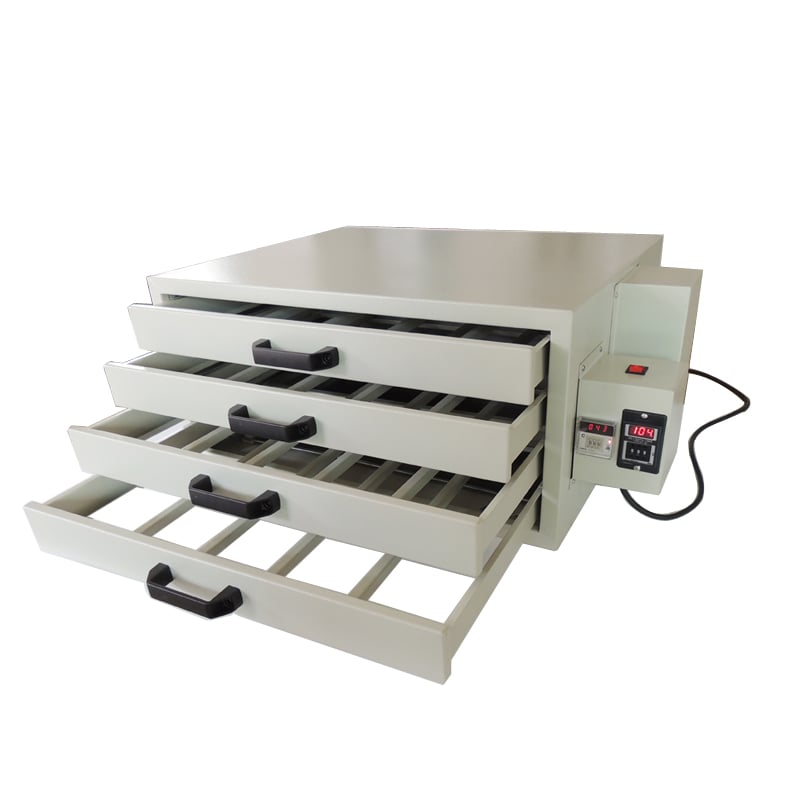
Industrial manufacturing processes across various sectors rely heavily on efficient drying solutions to ensure product quality, reduce cycle times, and optimize operational costs. Modern production facilities face increasing pressure to balance productivity demands with energy conservation requirements, making the selection of appropriate drying equipment a critical business decision. A well-designed drying oven represents a cornerstone technology that enables manufacturers to achieve consistent results while maintaining strict quality standards and minimizing environmental impact.
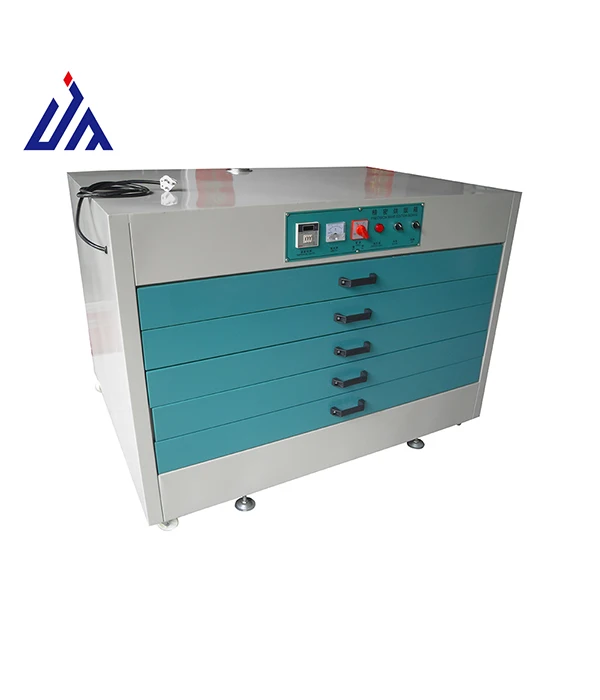
The evolution of industrial drying technology has transformed manufacturing capabilities, enabling companies to process materials more efficiently than ever before. Energy-efficient systems now incorporate advanced temperature control mechanisms, improved insulation materials, and sophisticated airflow management systems that significantly reduce operational expenses. These technological advancements have positioned modern drying oven solutions as essential investments for companies seeking to enhance their competitive advantage in today's demanding marketplace.
Understanding Industrial Drying Oven Technology
Core Components and Functionality
The fundamental architecture of a professional drying oven consists of several interconnected systems working in harmony to deliver optimal performance. The heating element serves as the primary energy source, converting electrical power into thermal energy that circulates throughout the chamber. Advanced temperature sensors monitor internal conditions continuously, providing real-time feedback to control systems that maintain precise temperature ranges essential for different material processing requirements.
Air circulation systems play a crucial role in ensuring uniform heat distribution across all levels of the drying chamber. Modern units incorporate variable-speed fans and strategically positioned vents that eliminate hot spots and temperature gradients. This sophisticated airflow management ensures that materials receive consistent thermal treatment regardless of their position within the chamber, resulting in uniform drying characteristics and improved product quality.
Insulation technology has advanced significantly in recent years, with manufacturers incorporating high-performance materials that minimize heat loss and reduce energy consumption. Multi-layer insulation systems create thermal barriers that maintain internal temperatures while keeping external surfaces cool, enhancing both efficiency and operator safety during extended operation cycles.
Temperature Control and Precision Systems
Precise temperature management remains the cornerstone of effective drying operations, requiring sophisticated control systems that can maintain stability within narrow tolerance ranges. Digital controllers equipped with programmable logic capabilities allow operators to establish complex heating profiles that accommodate various material characteristics and processing requirements. These systems can execute multi-stage drying cycles that optimize energy usage while ensuring complete moisture removal.
Advanced drying oven models feature multiple temperature zones that can be controlled independently, enabling simultaneous processing of different materials or various stages of the same product. This flexibility maximizes throughput while maintaining quality standards, allowing manufacturers to adapt their operations to changing production demands without compromising efficiency.
Safety interlocks and monitoring systems provide additional protection against temperature excursions that could damage products or compromise operator safety. Automated shutdown procedures activate when abnormal conditions are detected, preventing costly mistakes and ensuring consistent operation across multiple production shifts.
Applications Across Industrial Sectors
Screen Printing and Graphics Industry
The screen printing industry relies extensively on specialized drying equipment to cure inks and coatings applied to various substrates. A properly configured drying oven enables printers to achieve complete ink adhesion while maintaining vibrant color reproduction and durability characteristics. Multi-layer systems accommodate high-volume production runs by providing multiple curing levels simultaneously, significantly increasing throughput compared to single-level alternatives.
Temperature uniformity becomes particularly critical when processing heat-sensitive substrates such as plastics or synthetic fabrics. Modern drying systems incorporate graduated heating profiles that gradually raise temperatures to optimal curing levels without causing substrate deformation or discoloration. This controlled approach ensures consistent results across diverse material types while minimizing waste and rework costs.
Ventilation systems integrated into screen printing applications remove solvent vapors and volatile organic compounds generated during the curing process. Proper exhaust management maintains air quality standards while preventing solvent buildup that could affect print quality or pose safety hazards to operators.
Electronics and Component Manufacturing
Electronic component manufacturing processes often require precise moisture removal to prevent corrosion, ensure proper adhesive bonding, and maintain electrical performance specifications. Semiconductor assembly operations utilize specialized drying equipment to remove residual moisture from components before packaging, preventing failures caused by vapor-induced delamination during subsequent processing steps.
Circuit board manufacturing involves multiple drying stages, from initial substrate preparation through final coating applications. Each process step requires specific temperature and time parameters that must be precisely controlled to achieve optimal results. Modern drying oven technology provides the flexibility needed to accommodate these diverse requirements within a single system.
Clean room compatibility has become increasingly important for electronics applications, with manufacturers requiring drying equipment that meets stringent contamination control standards. Advanced filtration systems and sealed chamber designs prevent particulate contamination while maintaining the controlled environment necessary for sensitive electronic components.
Energy Efficiency and Cost Optimization
Advanced Insulation Technologies
Modern insulation materials and construction techniques have revolutionized the energy efficiency of industrial drying equipment. High-performance ceramic fiber insulation provides superior thermal resistance while maintaining structural integrity at elevated temperatures. These materials significantly reduce heat loss through chamber walls, resulting in lower energy consumption and more stable internal temperatures.
Double-wall construction with integrated air gaps creates additional thermal barriers that further improve efficiency. This design approach minimizes thermal bridging while keeping external surfaces at safe temperatures for operator interaction. The improved thermal performance translates directly into reduced operating costs and faster payback periods for equipment investments.
Thermal modeling and computational fluid dynamics analysis now guide insulation design, ensuring optimal material placement and thickness specifications. These engineering approaches maximize thermal efficiency while minimizing material costs and overall system weight, resulting in more cost-effective solutions for manufacturers.
Smart Control Systems and Automation
Intelligent control systems have transformed drying oven operation by incorporating predictive algorithms that optimize energy usage based on load characteristics and production schedules. Machine learning capabilities enable systems to adapt heating profiles automatically, reducing energy waste while maintaining consistent product quality across varying operating conditions.
Remote monitoring capabilities allow facility managers to track energy consumption patterns and identify optimization opportunities. Real-time data collection provides insights into operational efficiency, enabling proactive maintenance scheduling and performance improvements that extend equipment lifespan while reducing total cost of ownership.
Integration with facility energy management systems enables coordinated operation that minimizes peak demand charges and takes advantage of favorable utility rate structures. Smart scheduling algorithms can shift drying operations to off-peak periods when electricity costs are lower, providing substantial savings for high-volume operations.
Selection Criteria and Specifications
Capacity and Throughput Requirements
Determining appropriate capacity specifications requires careful analysis of production volumes, batch sizes, and cycle times to ensure adequate throughput without excessive energy waste during periods of lower demand. Multi-level systems provide increased capacity within a smaller footprint, making them ideal for facilities with limited floor space or high production requirements.
Modular designs allow manufacturers to scale capacity incrementally as production demands increase, avoiding large upfront investments while maintaining operational flexibility. This approach enables companies to match equipment capacity more closely with actual production needs, optimizing both initial costs and long-term operational efficiency.
Load balancing capabilities ensure optimal energy utilization regardless of batch sizes, automatically adjusting heating zones and airflow patterns to match actual product loads. This intelligent operation reduces energy waste while maintaining consistent processing conditions across varying production scenarios.
Material Compatibility and Processing Requirements
Different materials require specific temperature ranges, heating rates, and atmospheric conditions to achieve optimal drying results without degradation or damage. A versatile drying oven system must accommodate these diverse requirements through programmable control systems and flexible chamber configurations that adapt to various material characteristics and processing specifications.
Chemical compatibility considerations become critical when processing materials that may release corrosive vapors or aggressive solvents during drying. Stainless steel construction and specialized coatings protect internal components while maintaining long-term reliability in challenging operating environments.
Atmosphere control capabilities enable processing under inert gas conditions when oxygen exposure could cause oxidation or other undesirable chemical reactions. These specialized systems incorporate gas purging and monitoring equipment that maintains controlled environments throughout the drying cycle.
Installation and Operational Considerations
Facility Infrastructure Requirements
Proper installation requires careful evaluation of facility electrical capacity, ventilation systems, and structural considerations to ensure safe and efficient operation. High-capacity systems may require dedicated electrical circuits and specialized ventilation equipment to handle heat loads and exhaust requirements effectively.
Floor loading calculations must account for both equipment weight and maximum product loads to prevent structural damage and ensure compliance with building codes. Seismic considerations may require additional anchoring or vibration isolation systems depending on geographic location and local building requirements.
Access requirements for loading, maintenance, and service operations influence placement decisions and may require modifications to existing facility layouts. Planning for future expansion or equipment upgrades during initial installation can prevent costly relocations or facility modifications later.
Maintenance and Service Protocols
Regular maintenance schedules ensure optimal performance and extend equipment lifespan while minimizing unexpected downtime costs. Preventive maintenance programs should include regular inspection of heating elements, temperature sensors, fans, and control systems to identify potential issues before they cause operational disruptions.
Filter replacement schedules depend on operating environment conditions and production volumes, with more frequent changes required in dusty or contaminated environments. Proper filtration maintenance ensures consistent airflow and prevents contamination of products or internal components.
Calibration procedures for temperature monitoring and control systems maintain accuracy over time, ensuring consistent processing results and compliance with quality standards. Regular calibration also helps identify sensor drift or control system issues that could affect product quality or energy efficiency.
FAQ
What factors determine the appropriate size for a drying oven system
The appropriate size depends on several key factors including production volume requirements, batch sizes, available floor space, and future expansion plans. Multi-level systems can provide increased capacity within a smaller footprint, while modular designs allow for incremental capacity increases as production demands grow. Energy efficiency considerations also play a role, as oversized units may operate inefficiently during periods of lower demand.
How do modern drying ovens achieve energy efficiency
Modern systems achieve energy efficiency through advanced insulation materials, intelligent control systems, and optimized airflow design. High-performance insulation reduces heat loss, while smart controls adjust heating patterns based on actual load conditions. Variable-speed fans and programmable heating profiles minimize energy waste by matching system output to specific processing requirements.
What maintenance requirements should be expected for industrial drying equipment
Regular maintenance includes cleaning or replacing air filters, calibrating temperature sensors, inspecting heating elements, and checking control system functionality. Preventive maintenance schedules typically involve monthly visual inspections, quarterly filter changes, and annual calibration procedures. Proper maintenance ensures consistent performance and extends equipment lifespan while reducing unexpected downtime costs.
Can drying ovens accommodate different material types simultaneously
Many modern systems feature multiple temperature zones that can be controlled independently, allowing simultaneous processing of different materials with varying temperature requirements. However, compatibility must be evaluated carefully to ensure that one material's processing conditions do not adversely affect others, particularly regarding chemical compatibility and cross-contamination concerns.