
 EN
EN
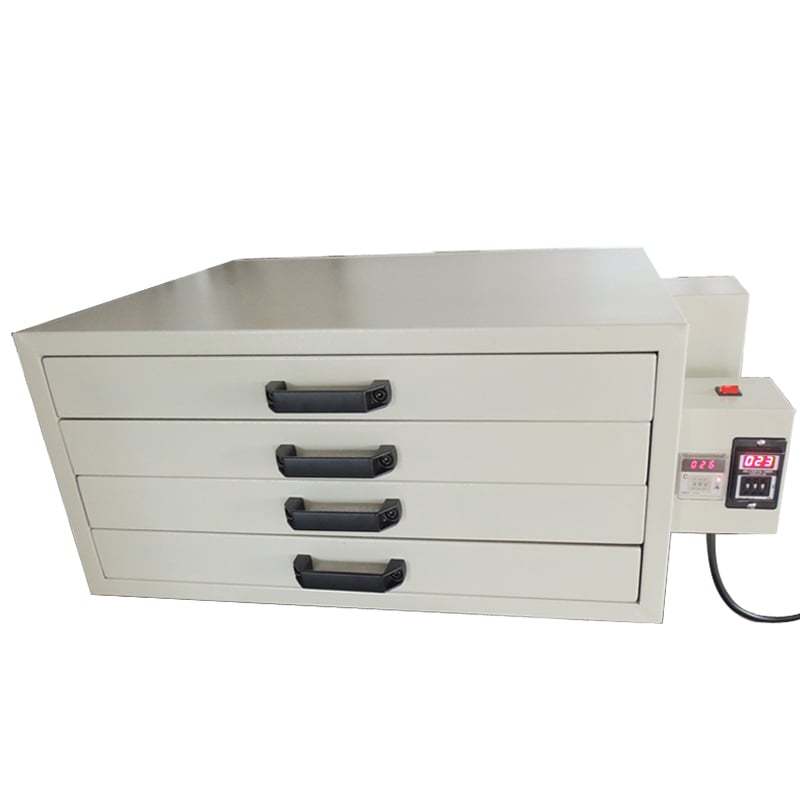
Selecting the appropriate drying oven for laboratory applications requires careful consideration of multiple factors that directly impact research outcomes and operational efficiency. Modern laboratories depend on reliable drying equipment to ensure consistent results across various analytical procedures, sample preparation tasks, and material testing protocols. The right drying oven serves as a cornerstone of laboratory operations, facilitating precise moisture removal, sample conditioning, and thermal processing activities that form the foundation of accurate scientific analysis.
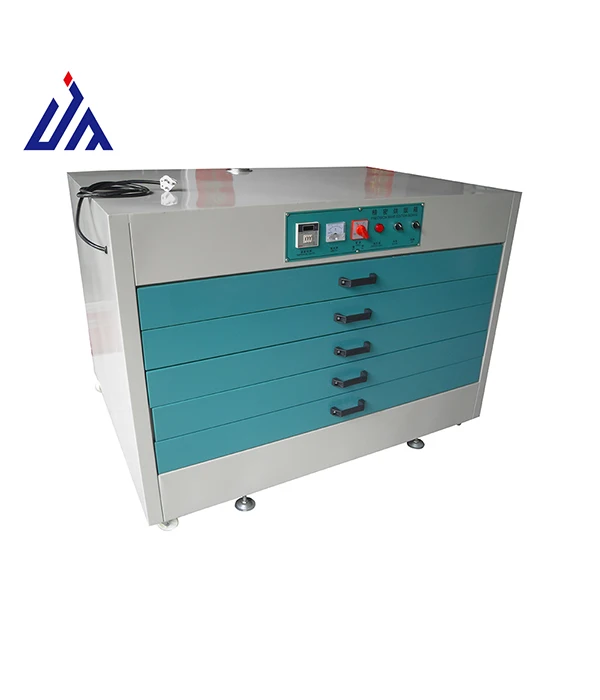
Laboratory professionals must evaluate numerous specifications when investing in drying equipment, as these instruments represent significant capital expenditures with long-term operational implications. Understanding the fundamental principles of heat transfer, temperature uniformity, and airflow dynamics becomes essential for making informed purchasing decisions. The complexity of modern laboratory workflows demands equipment that can accommodate diverse sample types while maintaining consistent performance standards throughout extended operational periods.
Temperature control capabilities represent one of the most critical aspects of drying oven selection, as different applications require precise thermal management to achieve desired outcomes. Many laboratory processes involve temperature-sensitive materials that can degrade or undergo unwanted chemical reactions when exposed to excessive heat or temperature fluctuations. Advanced drying oven models incorporate sophisticated control systems that maintain temperature stability within narrow tolerances, ensuring reproducible results across multiple test cycles.
Understanding Drying Oven Fundamentals
Heat Transfer Mechanisms and Efficiency
Effective moisture removal in laboratory settings depends on optimized heat transfer mechanisms that facilitate uniform energy distribution throughout the sample chamber. Convection-based drying oven designs utilize controlled airflow patterns to ensure consistent temperature exposure across all sample positions, eliminating hot spots and cold zones that can compromise result reliability. The efficiency of heat transfer directly correlates with processing time requirements and energy consumption, making this aspect particularly important for high-throughput laboratory environments.
Conduction heating elements in quality drying oven systems provide stable thermal output while minimizing temperature overshoots that could damage sensitive samples. The positioning and configuration of heating elements significantly influence temperature uniformity, with well-designed units featuring multiple heating zones that can be independently controlled. This level of thermal management becomes especially important when processing samples with varying thermal mass or moisture content within the same batch.
Chamber Design and Sample Accessibility
Internal chamber configuration plays a vital role in determining operational efficiency and user convenience during routine laboratory operations. A properly designed drying oven incorporates removable shelving systems that accommodate various sample container sizes while maximizing available space utilization. The accessibility of samples during processing cycles affects workflow efficiency, particularly in laboratories where time-sensitive protocols require periodic sample monitoring or removal at specific intervals.
Insulation quality and chamber construction materials directly impact energy efficiency and temperature stability throughout extended operating periods. High-grade stainless steel construction provides excellent corrosion resistance while facilitating easy cleaning and maintenance procedures. The thermal properties of chamber materials influence heat retention and recovery times, affecting overall operational costs and processing throughput in demanding laboratory environments.
Temperature Control and Uniformity Requirements
Precision Control Systems
Modern laboratory applications demand exceptional temperature accuracy and stability from drying oven equipment to ensure reliable analytical results. Digital control systems with microprocessor-based temperature regulation provide superior performance compared to analog alternatives, offering programmable setpoints and automated temperature ramping capabilities. The resolution and accuracy of temperature sensors directly influence the precision of thermal processing, making high-quality instrumentation essential for critical applications.
Proportional-integral-derivative controllers in advanced drying oven models minimize temperature fluctuations while reducing overshoot conditions that can damage heat-sensitive materials. The responsiveness of control systems becomes particularly important when processing samples that require rapid temperature changes or precise thermal cycling protocols. Calibration procedures and sensor maintenance requirements should be considered when evaluating long-term operational costs and reliability expectations.
Uniformity Testing and Validation
Temperature uniformity throughout the drying chamber represents a critical performance parameter that affects result reproducibility and compliance with analytical standards. Comprehensive mapping studies using calibrated temperature sensors help identify potential variation patterns and guide optimal sample placement strategies. The acceptance criteria for temperature uniformity typically specify maximum allowable deviations from setpoint temperatures across all measurement positions within the active chamber volume.
Validation protocols for drying oven performance should include both empty chamber and loaded condition testing to account for thermal mass effects and airflow disruption caused by sample containers. Documentation requirements for regulated laboratory environments necessitate regular performance verification and trending analysis to demonstrate continued compliance with established operating parameters. The frequency and complexity of validation procedures impact operational overhead and should be factored into equipment selection decisions.
Capacity and Size Considerations
Throughput Requirements Assessment
Laboratory throughput demands directly influence the appropriate chamber size and capacity specifications for drying oven equipment. High-volume testing laboratories require larger chamber capacities to accommodate multiple sample batches simultaneously, reducing processing bottlenecks and improving overall operational efficiency. The relationship between chamber volume and heating capacity affects temperature recovery times and energy consumption patterns, requiring careful balance during equipment selection.
Sample container dimensions and stacking requirements determine the minimum internal dimensions necessary for efficient drying oven operation. Standardized laboratory glassware and sample holders establish baseline space requirements, while specialized applications may demand custom shelving configurations or chamber modifications. The vertical clearance between shelf levels affects airflow patterns and temperature uniformity, making proper spacing calculations essential for optimal performance.
Space Utilization and Installation Requirements
Physical installation constraints within laboratory environments often dictate maximum equipment dimensions and placement options for drying oven units. Benchtop models offer installation flexibility but may have limited capacity for high-throughput applications, while floor-standing units provide larger processing volumes at the expense of increased space requirements. Ventilation and clearance specifications around drying equipment ensure safe operation and facilitate routine maintenance access.
Electrical service requirements vary significantly based on drying oven size and heating capacity, with larger units typically requiring dedicated circuits and higher voltage connections. The availability of appropriate electrical infrastructure may influence equipment selection, particularly in older laboratory facilities with limited power distribution capabilities. Heat dissipation from drying operations can affect ambient laboratory conditions, requiring consideration of HVAC capacity and air handling requirements.
Safety Features and Compliance Standards
Overheat Protection Systems
Comprehensive safety systems in modern drying oven designs prevent equipment damage and protect laboratory personnel from potential hazards associated with high-temperature operations. Independent overheat protection circuits provide redundant temperature monitoring that automatically shuts down heating elements when predetermined limits are exceeded. These safety mechanisms operate independently of primary control systems, ensuring continued protection even during control system failures or sensor malfunctions.
Thermal fuses and mechanical temperature switches serve as additional backup protection layers in well-designed drying oven systems. The selection and placement of safety devices requires careful engineering to ensure reliable operation without nuisance trips during normal operating conditions. Regular testing and maintenance of safety systems maintains their effectiveness and ensures compliance with laboratory safety protocols and regulatory requirements.
Regulatory Compliance and Certification
Laboratory equipment compliance with relevant safety standards and regulatory requirements ensures acceptable risk levels and facilitates regulatory approvals for testing procedures. Electrical safety certifications demonstrate adherence to established standards for laboratory equipment design and construction, providing confidence in operational safety and reliability. The specific certification requirements may vary based on geographical location and intended applications, making verification of appropriate approvals essential during procurement.
Quality management systems in regulated laboratories often require equipment qualification protocols that verify drying oven performance against predetermined acceptance criteria. Installation qualification, operational qualification, and performance qualification procedures establish documented evidence of proper equipment function and continued compliance with operational requirements. The complexity and documentation requirements for qualification activities should be considered when planning equipment implementation timelines and resource allocation.
Advanced Features and Technology Integration
Digital Monitoring and Data Logging
Contemporary drying oven systems incorporate sophisticated monitoring capabilities that provide real-time visibility into operational parameters and enable comprehensive data collection for quality assurance purposes. Digital displays and graphical interfaces present critical information in user-friendly formats, facilitating operator decision-making and troubleshooting activities. The integration of data logging capabilities eliminates manual record-keeping requirements while providing detailed documentation for regulatory compliance and process optimization efforts.
Network connectivity options in advanced drying oven models enable remote monitoring and control capabilities that enhance operational flexibility and efficiency. Integration with laboratory information management systems streamlines data collection and analysis workflows, reducing administrative overhead and improving data integrity. The ability to access historical operating data supports trending analysis and predictive maintenance strategies that maximize equipment availability and performance consistency.
Programmable Operating Modes
Sophisticated control systems in modern drying oven equipment offer programmable operating modes that automate complex thermal processing protocols while ensuring consistent execution across multiple test cycles. Multi-step temperature programs accommodate applications requiring gradual heating, extended hold periods, and controlled cooling phases without manual intervention. The programming flexibility available in advanced controllers enables optimization of processing parameters for specific sample types and analytical requirements.
Memory storage capacity for multiple programs allows laboratories to standardize procedures and ensure consistent execution of routine testing protocols. User access control features prevent unauthorized program modifications while maintaining audit trails for regulatory compliance purposes. The ease of program development and modification affects operator training requirements and overall system usability in busy laboratory environments.
Maintenance and Long-term Reliability
Preventive Maintenance Requirements
Systematic maintenance procedures ensure continued reliability and optimal performance from drying oven equipment throughout extended service periods. Regular inspection of heating elements, temperature sensors, and control components identifies potential issues before they impact operational availability or measurement accuracy. The complexity and frequency of required maintenance activities influence total cost of ownership and should be evaluated during equipment selection processes.
Cleaning protocols for drying oven interiors prevent contamination buildup and maintain optimal heat transfer efficiency while extending equipment service life. The accessibility of internal components for maintenance activities affects service time requirements and associated labor costs. Design features that facilitate routine maintenance, such as removable panels and accessible connections, contribute to reduced operational overhead and improved equipment availability.
Component Reliability and Service Support
The reliability of critical drying oven components directly impacts operational continuity and measurement consistency in laboratory environments. High-quality heating elements and temperature sensors provide extended service life while maintaining calibration stability over time. The availability of replacement parts and technical support services affects equipment lifecycle costs and should be considered when evaluating different manufacturer options.
Warranty coverage and service agreement options provide protection against unexpected repair costs while ensuring access to qualified technical support when needed. The geographical distribution of service centers and response time commitments influence equipment downtime during service events. Local service capability becomes particularly important for laboratories with critical operational requirements that cannot tolerate extended equipment outages.
Cost Analysis and Return on Investment
Initial Purchase and Installation Costs
Comprehensive cost analysis for drying oven procurement includes initial equipment purchase price, installation requirements, and associated infrastructure modifications necessary for proper operation. Installation costs may include electrical service upgrades, ventilation modifications, and structural reinforcements depending on equipment size and specifications. The complexity of installation requirements varies significantly between different drying oven models and should be evaluated early in the selection process to avoid unexpected expenses.
Accessory equipment and optional features can significantly impact total project costs while providing enhanced functionality and operational convenience. Standard accessories such as additional shelving, sample holders, and calibration equipment should be included in budget calculations to ensure complete system functionality. The modularity of available options allows customization of drying oven systems to meet specific application requirements while managing initial investment levels.
Operating Cost Considerations
Energy consumption represents a significant component of long-term operating costs for drying oven equipment, particularly in high-utilization laboratory environments. Insulation quality, heating element efficiency, and control system optimization directly influence power requirements and associated utility costs. Energy-efficient drying oven designs reduce operational expenses while supporting environmental sustainability initiatives in modern laboratory facilities.
Maintenance costs and calibration requirements contribute to total cost of ownership and vary based on equipment complexity and operational demands. The frequency of required calibration services and associated downtime affects both direct costs and productivity impacts. Laboratories with internal calibration capabilities may achieve lower operating costs compared to those requiring external service providers for routine maintenance activities.
FAQ
What temperature range should I look for in a laboratory drying oven
Most laboratory applications require a drying oven with a temperature range from ambient to at least 200°C, though some specialized applications may need capabilities up to 300°C or higher. The specific temperature requirements depend on your sample types and analytical procedures. Consider selecting a unit with a broader temperature range than currently needed to accommodate future applications and provide operational flexibility. Temperature uniformity specifications are equally important, with most laboratory standards requiring ±2-3°C variation throughout the chamber volume.
How do I determine the appropriate chamber size for my laboratory needs
Chamber size selection should account for current sample throughput requirements plus anticipated future growth in testing volume. Calculate the total shelf space needed for your typical batch sizes, including adequate spacing between samples for proper airflow. Consider the dimensions of your standard sample containers and ensure sufficient clearance for loading and unloading operations. A general rule is to select a drying oven with 25-50% more capacity than current needs to accommodate workflow variations and future expansion without requiring equipment replacement.
What safety features are essential in laboratory drying ovens
Essential safety features include independent overheat protection systems, automatic shutdown capabilities, and proper ventilation design to prevent accumulation of potentially hazardous vapors. Look for units with redundant temperature monitoring, thermal fuses, and mechanical over-temperature switches that operate independently of the primary control system. Proper door sealing and insulation prevent heat loss while protecting operators from high-temperature surfaces. Consider models with programmable safety interlocks that prevent operation outside of acceptable parameter ranges.
How often does a drying oven require calibration and maintenance
Calibration frequency typically ranges from quarterly to annually depending on your laboratory's quality requirements, regulatory obligations, and criticality of applications. Most laboratories perform temperature uniformity mapping annually with more frequent verification of control accuracy using calibrated reference thermometers. Routine maintenance should include monthly cleaning, quarterly inspection of heating elements and sensors, and annual comprehensive service. Preventive maintenance schedules help ensure consistent performance while minimizing unexpected downtime and extending equipment service life.