
 EN
EN
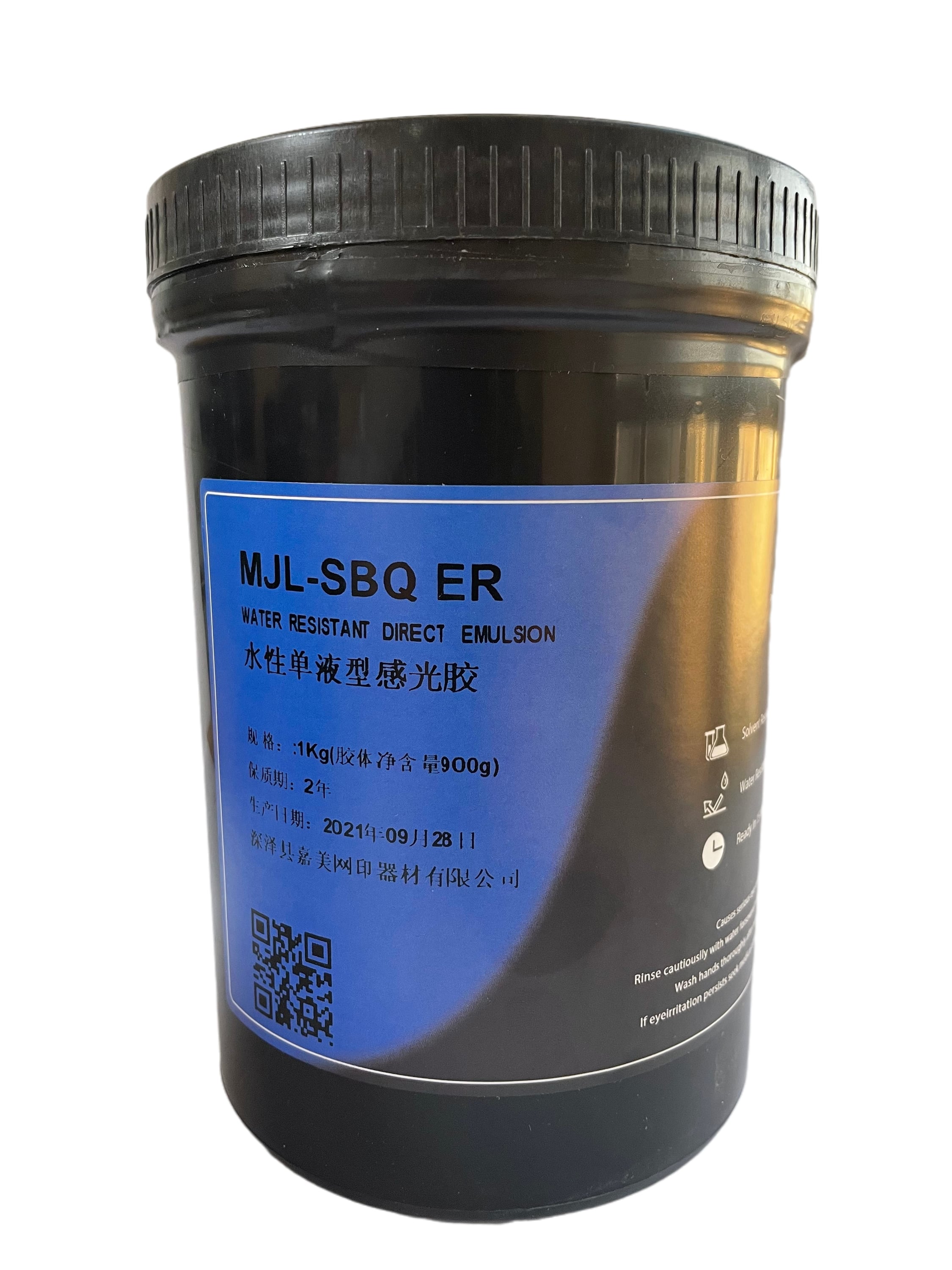
The printing industry has witnessed significant transformations over the decades, with traditional photo emulsion techniques competing against modern film-based methods. Understanding the fundamental differences between photo emulsion and film technologies is crucial for professionals seeking optimal results in their printing projects. Both methods serve distinct purposes in various applications, from screen printing to photographic reproduction, each offering unique advantages and limitations that affect quality, cost, and production efficiency.
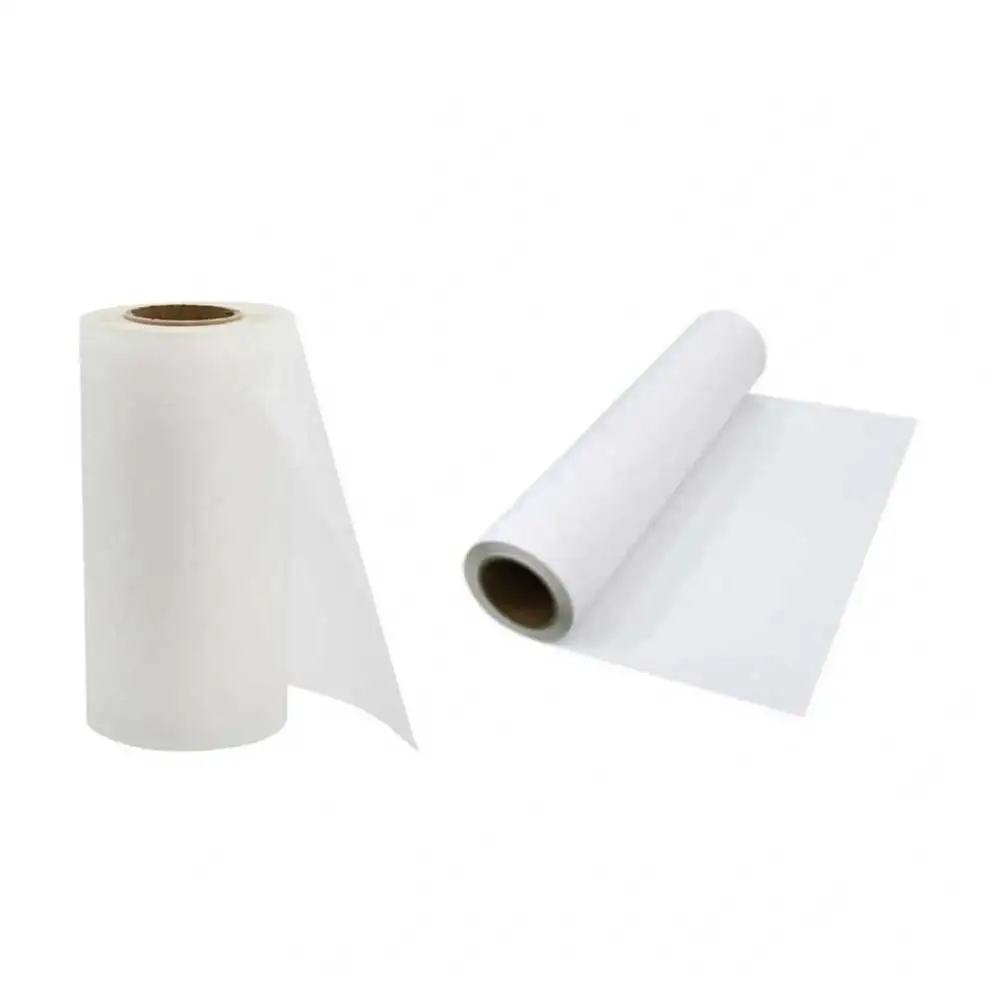
The debate between photo emulsion and film methods extends beyond simple preference, encompassing technical specifications, workflow requirements, and end-use applications. Professional printers must evaluate multiple factors including resolution capabilities, durability, processing time, and environmental considerations when choosing between these two approaches. The decision ultimately impacts production costs, output quality, and operational flexibility in commercial printing environments.
Understanding Photo Emulsion Technology
Chemical Composition and Properties
Photo emulsion represents a light-sensitive chemical coating that undergoes molecular changes when exposed to specific wavelengths of light. This photochemical process involves silver halide crystals suspended in a gelatin matrix, creating a medium capable of capturing and retaining image information. The photo emulsion responds to light exposure by forming latent images that become visible through chemical development processes. Modern formulations incorporate advanced sensitizers and stabilizers to enhance performance characteristics and extend shelf life.
The sensitivity range of photo emulsion varies significantly based on its chemical composition, with different formulations optimized for specific applications. Orthochromatic emulsions respond primarily to blue and green light, while panchromatic versions exhibit sensitivity across the entire visible spectrum. These variations allow manufacturers to tailor photo emulsion products for specialized applications including lithographic plates, screen printing stencils, and photographic films. The grain structure within the emulsion directly affects image resolution and contrast capabilities.
Application Methods and Techniques
Applying photo emulsion requires precise control over environmental conditions, particularly humidity and temperature levels that can affect coating uniformity and performance. Professional applications typically involve coating substrates under controlled lighting conditions using specialized equipment to ensure consistent thickness and coverage. The viscosity of photo emulsion must be carefully managed to prevent streaking or uneven application that could compromise final image quality. Proper storage and handling procedures are essential to maintain emulsion stability and prevent premature exposure.
Screen printing applications utilize photo emulsion to create detailed stencils capable of reproducing fine lines and halftone patterns with exceptional accuracy. The process involves coating mesh screens with photo emulsion, allowing it to dry completely, then exposing it through a positive film or digital output. Areas exposed to light become hardened and water-resistant, while unexposed regions remain soluble and can be washed away during development. This selective hardening process enables the creation of precise printing stencils for various substrates and ink types.
Modern Film Technologies in Printing
Synthetic Film Advantages
Contemporary printing films offer superior dimensional stability compared to traditional photo emulsion methods, maintaining precise registration across multiple color separations. These synthetic materials resist environmental fluctuations that commonly affect emulsion-based systems, including humidity changes and temperature variations that can cause distortion or deterioration. Film technologies provide consistent performance characteristics throughout their usable life, eliminating concerns about aging effects that impact photo emulsion sensitivity and contrast ratios over time.
Digital compatibility represents a significant advantage of modern photo emulsion alternatives, with films designed specifically for inkjet and laser printing systems. These materials accept digital inks uniformly while maintaining sharp edge definition and accurate color reproduction. The ability to output directly from digital files eliminates multiple processing steps required with traditional photo emulsion workflows, reducing production time and potential error sources. Film-based systems also support variable data printing and short-run applications that would be impractical using conventional emulsion methods.
Processing and Workflow Efficiency
Film-based printing systems streamline production workflows by eliminating chemical processing requirements associated with photo emulsion development. This reduction in processing steps translates to faster turnaround times and reduced labor costs, particularly important in high-volume commercial environments. The absence of chemical developers, fixers, and wash cycles also simplifies waste management and reduces environmental impact concerns that accompany traditional photo emulsion processing facilities.
Quality control becomes more predictable with film technologies since they eliminate variables associated with chemical mixing, temperature control, and processing timing that affect photo emulsion results. Consistent output quality reduces waste from rejected prints and minimizes the need for reprints due to processing variations. Film systems also support automated handling and inspection processes that further enhance efficiency and reduce manual intervention requirements throughout the production cycle.
Quality Comparison and Performance Metrics
Resolution and Detail Reproduction
Photo emulsion systems historically delivered superior resolution capabilities, with fine-grain emulsions capable of resolving extremely small details and smooth tonal gradations. The continuous tone nature of photo emulsion allows for subtle variations in density that create smooth transitions between different gray levels or color values. High-quality photo emulsion can achieve line resolutions exceeding 300 lines per inch, making it suitable for demanding applications requiring exceptional detail reproduction.
Modern film technologies have significantly narrowed the resolution gap through advanced manufacturing techniques and improved substrate materials. Contemporary films achieve comparable detail reproduction while offering advantages in dimensional stability and processing consistency. The digital nature of film output systems enables precise control over dot formation and placement, resulting in accurate halftone reproduction and consistent color management throughout production runs.
Durability and Longevity Factors
Long-term storage characteristics differ substantially between photo emulsion and film systems, with implications for archival applications and inventory management. Photo emulsion products require controlled storage conditions to prevent degradation, including specific temperature and humidity ranges that maintain optimal performance characteristics. Exposure to light, chemicals, or extreme temperatures can permanently damage photo emulsion, rendering it unusable for critical applications.
Film technologies generally offer superior storage stability and resistance to environmental factors that affect photo emulsion performance. Most synthetic films maintain their properties across wider temperature ranges and show less sensitivity to humidity fluctuations or brief light exposure. This stability translates to extended shelf life and reduced waste from expired materials, providing economic advantages in facilities with variable production schedules or seasonal demand patterns.
Cost Analysis and Economic Considerations
Initial Investment and Setup Costs
Establishing photo emulsion capabilities requires significant investment in darkroom facilities, chemical processing equipment, and environmental control systems. The infrastructure needed for proper photo emulsion handling includes specialized lighting, ventilation systems, and chemical storage facilities that meet safety and environmental regulations. These requirements represent substantial fixed costs that must be amortized across production volume to achieve acceptable return on investment.
Film-based systems typically require lower initial capital investment since they eliminate the need for darkroom facilities and chemical processing equipment. Digital output devices can often be integrated into existing production environments without extensive facility modifications. The reduced infrastructure requirements make film technologies particularly attractive for smaller operations or facilities with limited space for specialized processing areas.
Operating Costs and Consumables
Ongoing operational costs for photo emulsion systems include chemical replenishment, waste disposal fees, and utilities for maintaining proper environmental conditions. Chemical processing requires regular monitoring and adjustment to maintain consistent results, adding labor costs and potential material waste from improper mixing or contamination. The disposal of used chemicals also represents an ongoing expense and environmental responsibility that affects overall operating costs.
Film systems generally demonstrate lower ongoing operational costs due to reduced chemical usage and simplified processing requirements. While film materials may have higher unit costs compared to photo emulsion, the elimination of processing chemicals and associated handling costs often results in lower total cost per impression. The predictable nature of film costs also simplifies budgeting and financial planning for production facilities.
Environmental Impact and Sustainability
Chemical Usage and Waste Management
Traditional photo emulsion processing generates significant chemical waste requiring proper treatment and disposal according to environmental regulations. Developer and fixer solutions contain silver compounds and other materials that cannot be discharged directly into municipal waste systems. The recovery and recycling of silver from photo emulsion waste streams requires specialized processing that adds complexity and cost to waste management programs.
Water usage represents another environmental consideration for photo emulsion systems, with washing cycles requiring substantial volumes of clean water for proper processing. The resulting wastewater must be treated to remove chemical residues before discharge, adding to the environmental footprint of photo emulsion operations. These factors have led many facilities to seek alternatives that reduce chemical usage and simplify waste management requirements.
Sustainability Initiatives and Green Alternatives
Modern film technologies support sustainability initiatives by eliminating or reducing chemical processing requirements associated with traditional photo emulsion systems. Many contemporary films are manufactured from recyclable materials and designed for compatibility with environmentally friendly inks and processing methods. The reduction in chemical usage also decreases the carbon footprint associated with transportation and storage of hazardous materials.
Energy consumption differences between photo emulsion and film systems affect overall environmental impact, with film technologies typically requiring less energy for processing and handling. The elimination of heated processing baths, extended drying cycles, and specialized ventilation systems reduces facility energy requirements. These factors contribute to improved sustainability metrics and support corporate environmental responsibility goals in commercial printing operations.
Future Trends and Technology Evolution
Digital Integration and Workflow Automation
The evolution toward fully digital workflows continues to favor film technologies that integrate seamlessly with computer-to-plate and direct imaging systems. Photo emulsion processes face challenges in adapting to automated production environments that demand consistent, repeatable results without manual intervention. Digital film systems enable real-time quality monitoring and correction capabilities that improve overall production efficiency and reduce waste.
Artificial intelligence and machine learning applications are being integrated into film-based production systems to optimize output parameters and predict maintenance requirements. These advanced technologies are more easily implemented with digital film systems compared to traditional photo emulsion processes that rely on chemical interactions and manual processing steps. The data generated by digital systems also supports continuous improvement initiatives and quality management programs.
Emerging Applications and Market Developments
New applications for both photo emulsion and film technologies continue to emerge as market demands evolve toward shorter runs, variable data, and specialized substrates. Photo emulsion maintains advantages in certain niche applications requiring ultra-high resolution or specific chemical compatibility requirements. However, the flexibility and adaptability of film systems position them favorably for emerging applications in packaging, textiles, and specialty printing markets.
Research and development efforts focus on hybrid approaches that combine the best characteristics of both photo emulsion and film technologies. These innovations aim to deliver the resolution capabilities of traditional emulsion systems while providing the processing advantages and environmental benefits of modern film technologies. Such developments may reshape the competitive landscape and influence future adoption decisions across various printing applications.
FAQ
What are the main differences between photo emulsion and film in printing applications
The primary differences between photo emulsion and film technologies center on their chemical composition, processing requirements, and performance characteristics. Photo emulsion involves light-sensitive chemical coatings that require wet processing with developers and fixers, while modern films are typically synthetic materials that can be processed digitally or through simplified chemical-free methods. Photo emulsion traditionally offers superior resolution and continuous tone reproduction, whereas films provide better dimensional stability, longer shelf life, and integration with digital workflows. The choice between these technologies depends on specific application requirements, production volume, and facility capabilities.
Which technology offers better cost-effectiveness for commercial printing operations
Cost-effectiveness depends on production volume, application requirements, and facility infrastructure. Photo emulsion systems require higher initial investment for darkroom facilities and processing equipment but may offer lower material costs for high-volume applications. Film technologies typically have lower setup costs and reduced ongoing operational expenses due to simplified processing and reduced chemical usage. For most modern commercial operations, film systems provide better overall cost-effectiveness due to faster processing times, reduced labor requirements, and elimination of chemical waste disposal costs. The break-even point varies based on specific operational parameters and production requirements.
How do environmental considerations impact the choice between photo emulsion and film
Environmental factors increasingly favor film technologies over traditional photo emulsion systems. Photo emulsion processing generates chemical waste containing silver compounds and other materials requiring special disposal procedures. Water usage for washing cycles and the carbon footprint of chemical transportation add to environmental concerns. Film systems typically eliminate or significantly reduce chemical usage, decrease water consumption, and often use recyclable substrate materials. Many facilities choose film technologies to support sustainability goals and reduce environmental compliance costs, making environmental considerations a significant factor in technology selection decisions.
What future developments are expected in photo emulsion and film technologies
Future developments focus on digital integration, automation capabilities, and hybrid technologies that combine advantages of both approaches. Photo emulsion research aims to develop environmentally friendly formulations and processing methods while maintaining high resolution capabilities. Film technology evolution emphasizes improved digital compatibility, enhanced substrate materials, and integration with artificial intelligence systems for quality control and process optimization. Hybrid approaches seek to deliver the resolution benefits of photo emulsion with the processing advantages of film systems. Market trends favor technologies that support shorter production runs, variable data applications, and sustainable manufacturing practices.
Table of Contents
- Understanding Photo Emulsion Technology
- Modern Film Technologies in Printing
- Quality Comparison and Performance Metrics
- Cost Analysis and Economic Considerations
- Environmental Impact and Sustainability
- Future Trends and Technology Evolution
-
FAQ
- What are the main differences between photo emulsion and film in printing applications
- Which technology offers better cost-effectiveness for commercial printing operations
- How do environmental considerations impact the choice between photo emulsion and film
- What future developments are expected in photo emulsion and film technologies